What is Good Art?
Most new collectors start with the same question: what is good art? It feels like the right question, and more importantly, it feels like one you should be able to answer before you spend any money. If you could just figure that out first, everything else would fall into place. Right?
Wrong.
It doesn’t usually work that way.
The question itself is part of the problem. Asking whether something is “good” is vague at best and premature at worst—especially at a moment when you have not yet developed the eye required to make that kind of judgment. More often than not, what you are really asking is whether something is worth buying. That is a different question, and not one you can answer cleanly in advance. What is “good” will vary from collector to collector, and it tends to reveal itself over time rather than in a single moment of clarity.
Most people begin by looking for visible signals. How skilled is the painting? How complex is the process? How long must this have taken to make? Is it expensive? These are understandable instincts. They offer something concrete to hold onto when everything else feels uncertain.
They are a starting point, but they are not reliable as complete dataset. There is a great deal of expensive, market-driven work that does not hold up, just as there is extraordinary work that goes unnoticed and undervalued for years. Skill is easy to recognize, but it does not guarantee that a work will hold your attention over time. Complexity can feel impressive without actually being meaningful. Labor is often mistaken for depth. Price reflects a market, not necessarily an experience. None of these are useless, but none of them, on their own, are indicators of quality.
(I should also acknowledge that there are larger forces at play here—institutions, markets, and the slow formation of the canon. We’ll come back to those. For now, the more useful question is how you begin to recognize quality for yourself.)
To get at the heat of the quality question, a more productive approach is to shift the questions you are asking. Not “is this good,” but: have I seen this before? Is this a familiar solution, or does it take a different position? What are other artists doing with this same set of ideas? What is this artist attempting that feels distinct? And, over time, does this feel like it contributes something to a broader conversation, or does it simply echo what is already there?
The following works were added to The Collection this week—artists whose work I would recommend spending time with right now because they are doing one of the above well.
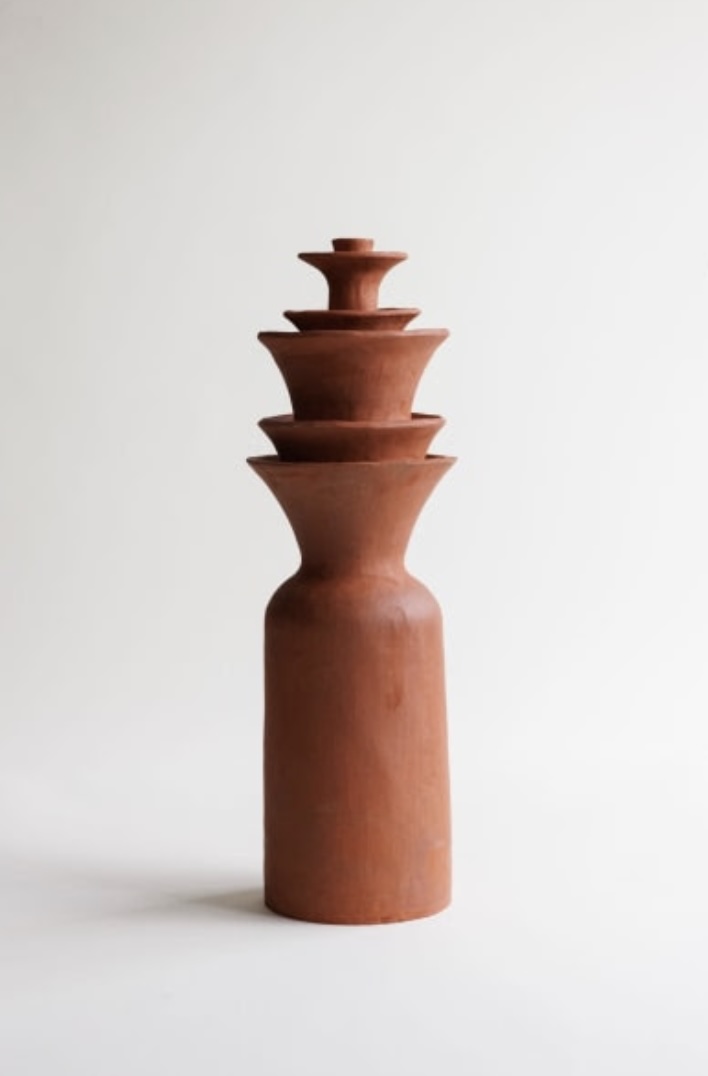
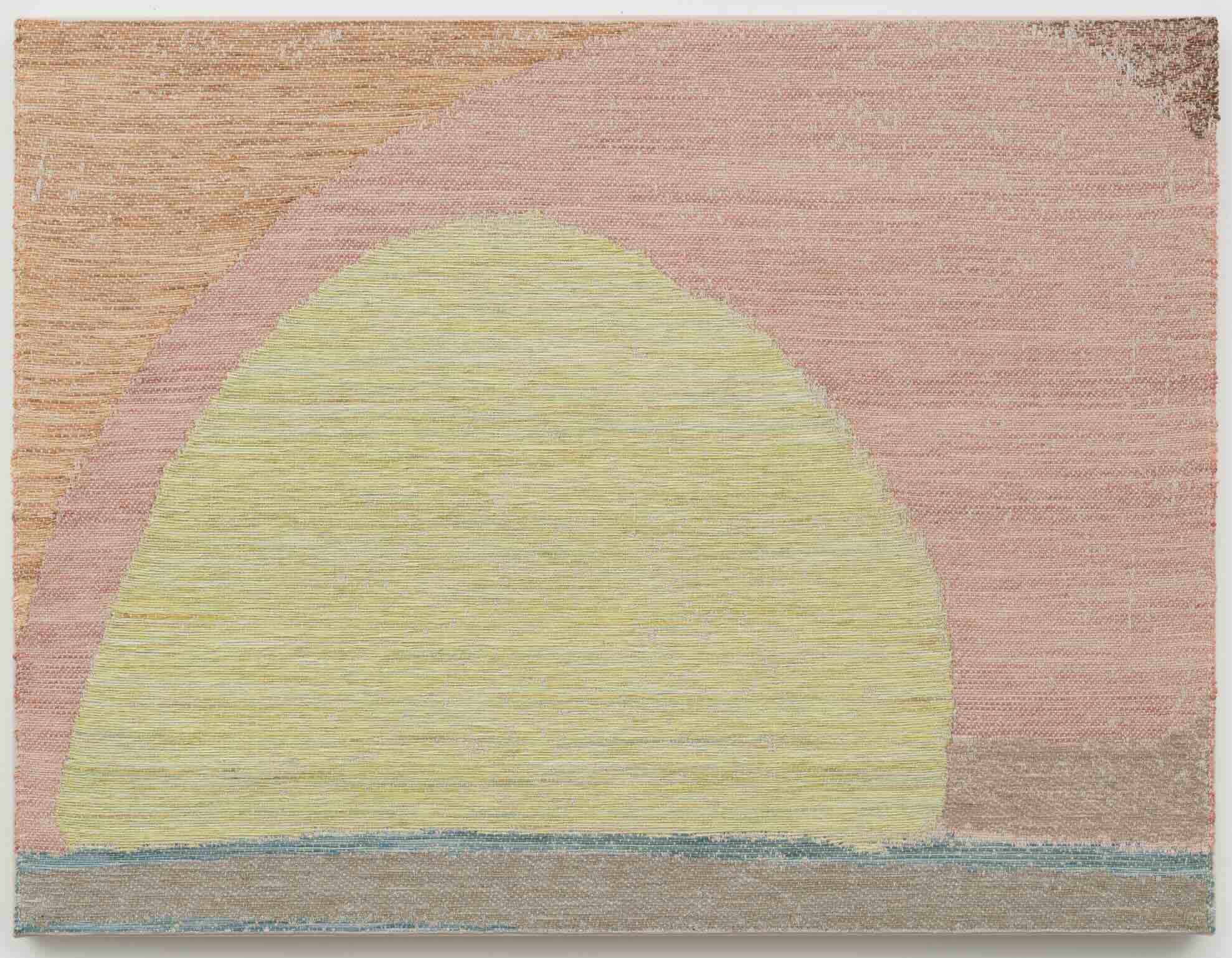
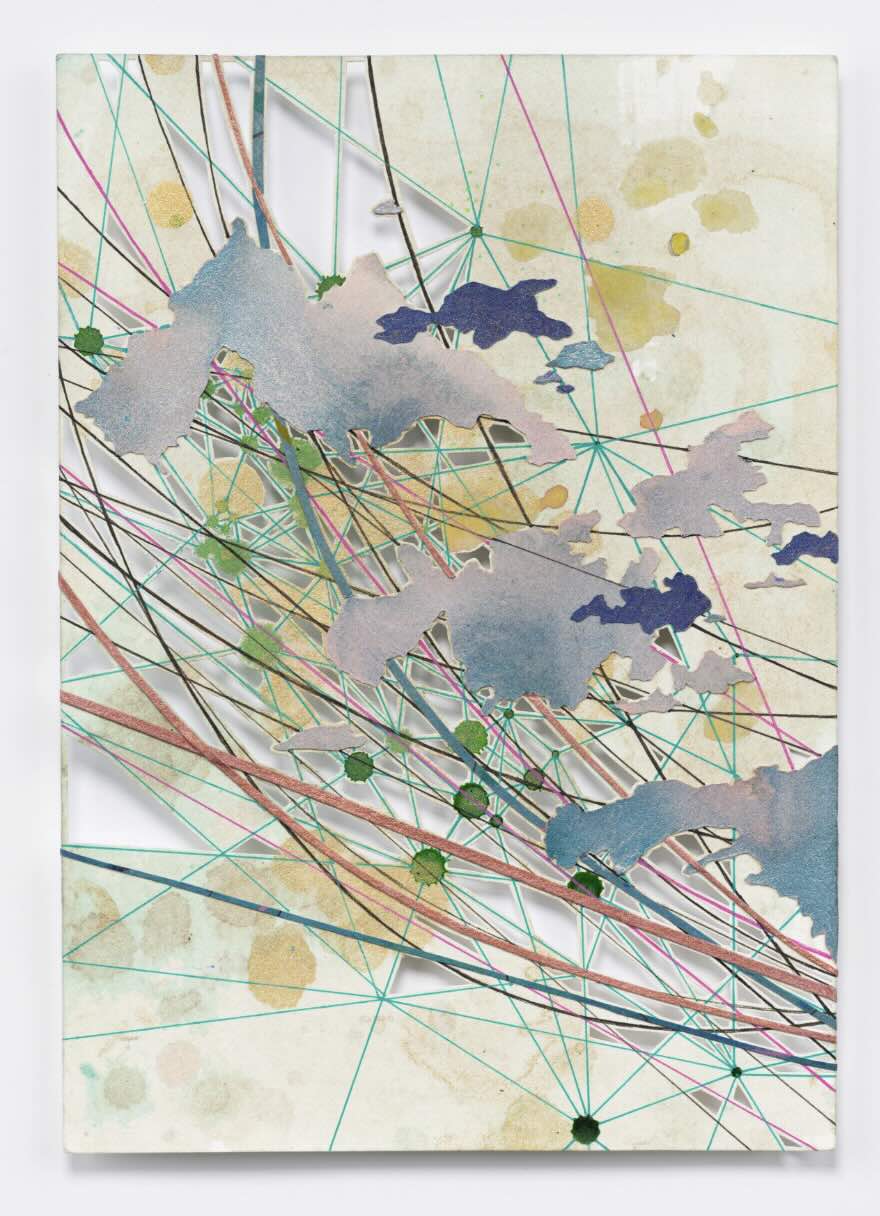
The artists who endure—whether over decades or centuries—are the ones who give future viewers a clear sense of how people of their time thought, felt, and understood the world. As an art historian, I often find myself projecting forward. How do I evaluate work from the past, and how might that same rigor apply to what is being made now? It is easier to identify importance in hindsight. The challenge is learning to recognize the conditions that tend to produce it in the present.
There is another layer to this, which is less often acknowledged, and we discussed a few weeks ago. Many people hesitate to even admit what they like, not because they don’t feel anything, but because they are unsure whether their reaction is “correct.” It feels safer to wait until you know whether something is good before allowing yourself to respond to it. That instinct is understandable. It is also what leads to missed opportunities.
Once everyone agrees that something is good, you have usually lost the window to access it meaningfully. Collecting emerging art is closer to a venture capital mindset than a private equity one.
The reality of identifying quality and collecting is not tidy. You can like something that isn’t strong. You can also overlook something that is. Sometimes a work will strike you immediately and then lose its hold on you. Other times a work that felt quiet at first will deepen the longer you spend with it. And sometimes your first instinct will be exactly right. There is no single moment when quality reveals itself, and no consistent sequence you can follow to arrive at it.
What changes over time is not your ability to make perfect judgments. It is your sensitivity to difference. You begin to notice which works are likely to continue to hold your attention and which ones will fade more quickly. You start to feel when something has depth, even if you cannot immediately explain why. The obvious signals—skill, effort, price—begin to matter less, and your own sustained response begins to matter more.
This is where taste sharpens. Not through certainty, but through exposure. Not by deciding what is good in the abstract, but by learning to recognize what is going to hold up when you return to it. Over time, that distinction becomes clearer, and once it does, the question of what is “good” starts to matter a little less.
Because you have learned how to see for yourself.
If you want to see how this plays out in real time, you need to look at a lot of work—and not all of it is worth your time.
The Collection is where I share the artists and works that are actually catching my attention, and that I would feel confident recommending to a client.
The works included above are part of this week’s update.
Many are available directly through the gallery. If not, the gallery can help source related work.
Every collector has a type.
A default way of engaging with art — and a default reason they walk away from something they should have bought. Find out yours in two minutes.
Take the Quiz →Already a member? This week's new additions to The Collection are waiting.
Explore The Collection →