
Know Your Type: Dear Venturist, There’s More To Art Than Energy
There is a particular kind of art collector who walks into a booth and knows within ten seconds. Not because they’ve done the research or read the wall text or recognized the gallery name. Because something in the work is alive in a way that everything around it isn’t. They feel it before they can explain it, and they trust that feeling in a way that more cautious collectors never quite manage.
I call this collector type the Venturist. And in my experience, they build some of the most exciting collections I’ve ever seen. This is the person who, in 20 years, you’ll be asking, “How did you know to buy that then?!”
They also build some of the most disappointing ones.
Here’s the thing about following energy: energy is real, but it isn’t always the same thing as quality. What feels electric in the booth — the rawness, the unrest, perhaps the slightly unresolved quality, the sense that you’re seeing something nobody else has noticed yet — can feel thin on the wall six months later. Not because your instinct was wrong. But because instinct alone doesn’t always tell you what’s actually there versus what you wanted to be there.
Typically, the Venturist is drawn to novelty above everything else. And novelty is one of the four criteria I use to evaluate whether a work has staying power, so there’s nothing wrong with leading with it. The problem is when novelty becomes the only question. When the thrill of seeing something you’ve never seen before crowds out the harder questions: Is this artist grounded in something more substantive than a strong visual idea? Does the work know where it sits in a larger conversation? Is the craft in service of a concept, or is the concept papering over the absence of craft?
To put it in really cliché terms, a Venturist would have loved Jackson Pollock. No one had ever splattered paint (and pee and all sorts of other liquids) on a canvas the way he did. BUT the key is that it wasn’t splatter paint for splatter paint’s sake. It was splatter paint in service of turning the hierarchy of art history on its head, shaking it around a few times, and then chucking it out the window. It was shattering every rule, every truth, every principle into has many unrecognizable shards as possible and then seeing if there was a new way to piece it back together. Concept met craft and transformed into contemporary art. (Ok, all you art historians, do not @ me with Lee Krasner, right now. I know she did it first but I am trying to illustrate a point here.)
Without those questions, you end up with a collection full of glitter and graffiti and young energy that doesn’t resolve. Work that was exciting at the fair and restless on the wall. Smoke and mirrors that looked like vision in the moment.
That’s the Venturist’s blind spot. And it isn’t a character flaw — it’s a calibration problem.
The artists who genuinely deserve a Venturist’s attention are the ones who satisfy both impulses: they stop you with something you’ve never seen before, and they reward you when you look and think harder. I’ll highlight three artists from The Collection that do just this. Tom Jean Webb does this. His work has an immediate visual electricity — you feel it before you understand it — but the longer you spend with it the more you find. There’s a conceptual architecture underneath the surface energy that gives the work somewhere to go. Sachi Moskowitz is similar — her ceramics feels alive, relevant and slightly irreverent in the best way, but that irreverence is intentional, not accidental. She’s asking questions the work is designed to hold open, not questions she hasn’t figured out how to answer yet. Grace DeGennaro rewards the Venturist eye with something that feels genuinely singular — a visual language you think you recognize but realize you can’t resolve on your own without knowing more about how she thinks and views the world around her. The practice is grounded in a sustained investigation that gives the work weight beyond its novelty.
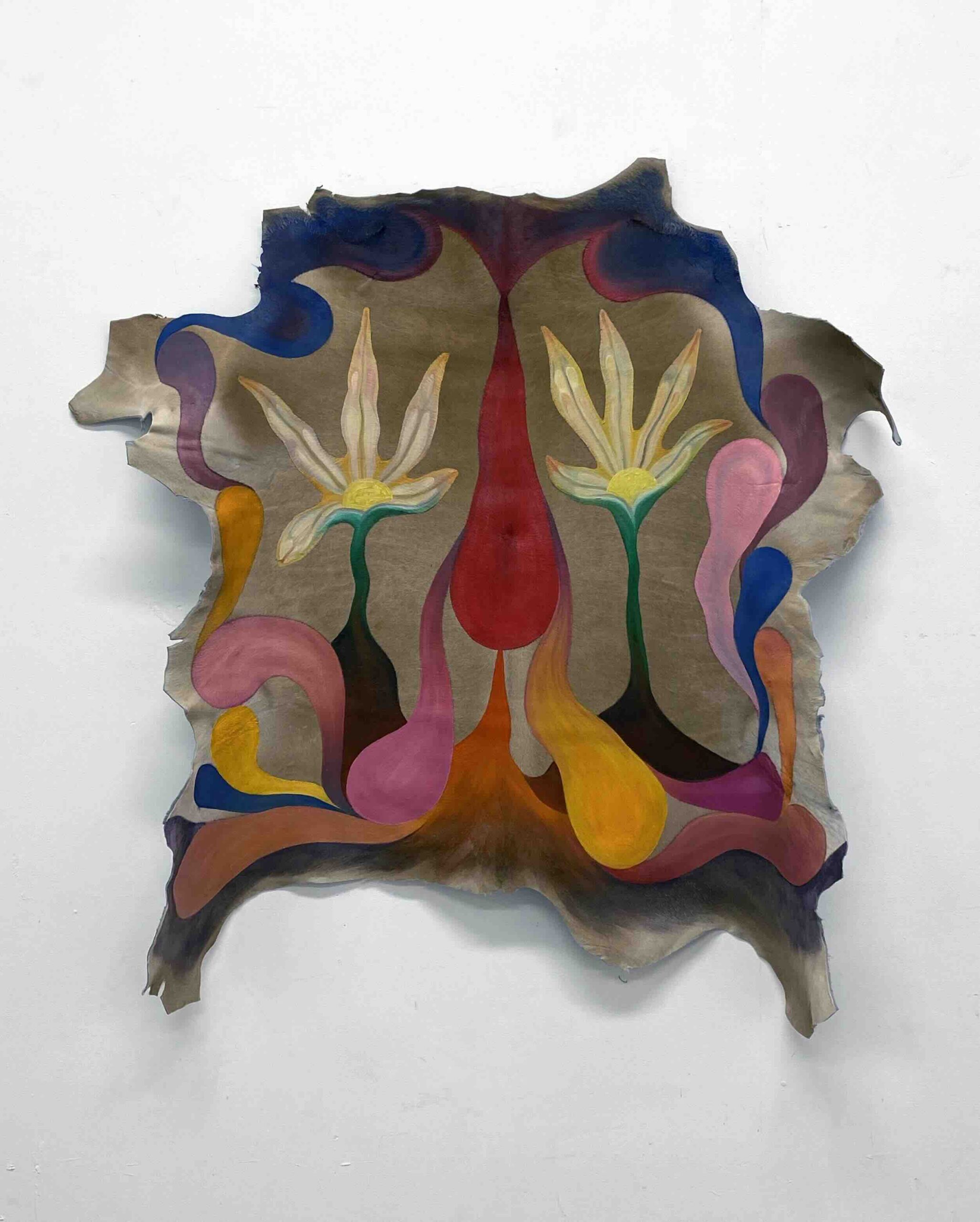
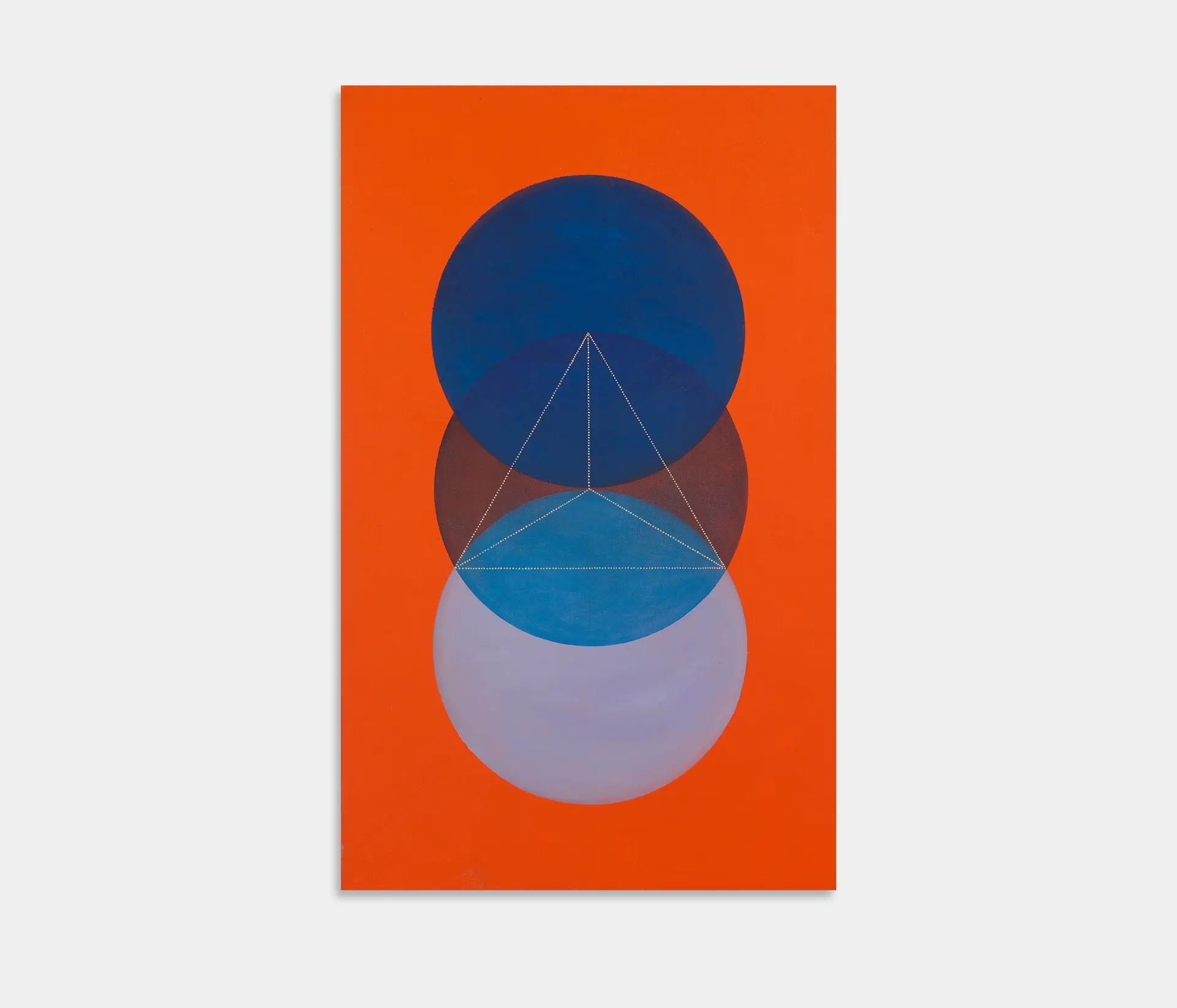
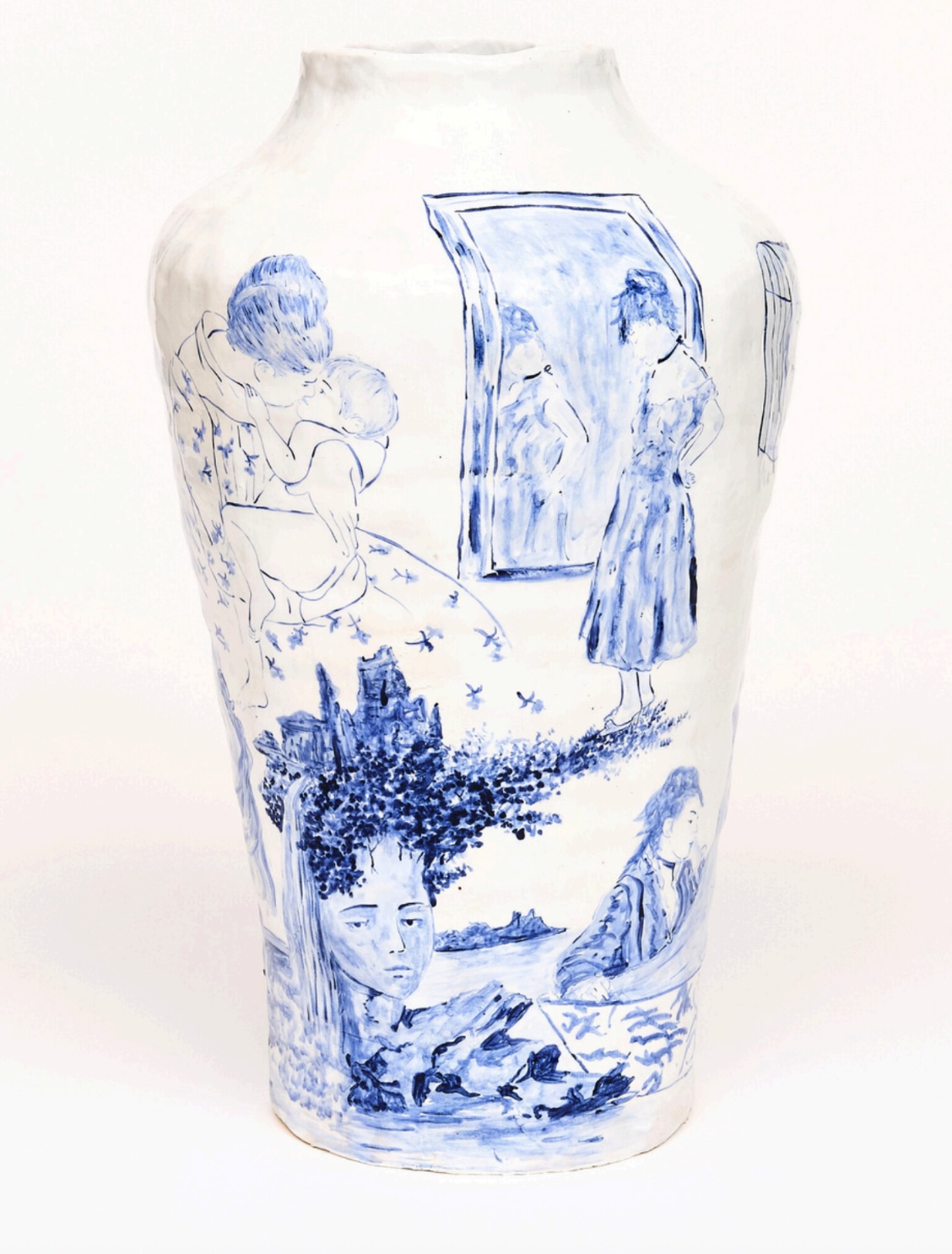
These are the artists a Venturist should be looking at. Not because they’re safe bets but because the risk is undergirded by substance rather than cosmetics.
Here’s the bottom line, if you take nothing else away. The question worth asking before you commit is NOT whether you feel something, NOT even whether you’ve seen anything like it before. But what’s actually sustaining the feeling. Is it the work itself — its intelligence, its intentionality, its awareness of what it’s doing and why — or is it the thrill of the discovery? Those are different things. They lead to different collections. And only one of them holds up over time.
I work with Venturist collectors not to take the risk away. The risk is the whole point. But to make sure the risks you take are the ones worth taking.
The Venturist is one of four collector types I’ve identified. Next week: The Design-Forward Collector.
Every collector has a type.
A default way of engaging with art — and a default reason they walk away from something they should have bought. Find out yours in two minutes.
Take the Quiz →Already a member? This week's new additions to The Collection are waiting.
Explore The Collection →