
Collector Types
Every collector has an instinct that got them here — trusting your gut, thinking spatially, doing the research, needing the story. That instinct is real, and it's usually right. It's also usually incomplete. The four types below aren't labels to pick one and stop at. No collector is only one type, and the best collections I've seen aren't built by staying inside a single lane. They're a way to see your own eye clearly — what it catches, what it's quietly trained itself to miss, and what the other three might be seeing that you're not.
The Venturist
The Venturist walks into a fair booth and knows within ten seconds — not because they’ve read the wall text, but because something in the work is alive in a way everything around it isn’t. This is the collector who trusts instinct, chases the piece nobody else has noticed yet, and builds some of the most exciting collections I’ve ever seen. It’s also the collector most likely to mistake a thrill for a discovery. Energy is real. But it isn’t always the same thing as quality — and learning the difference is what turns a good eye into a lasting collection.

The Design-Forward Collector
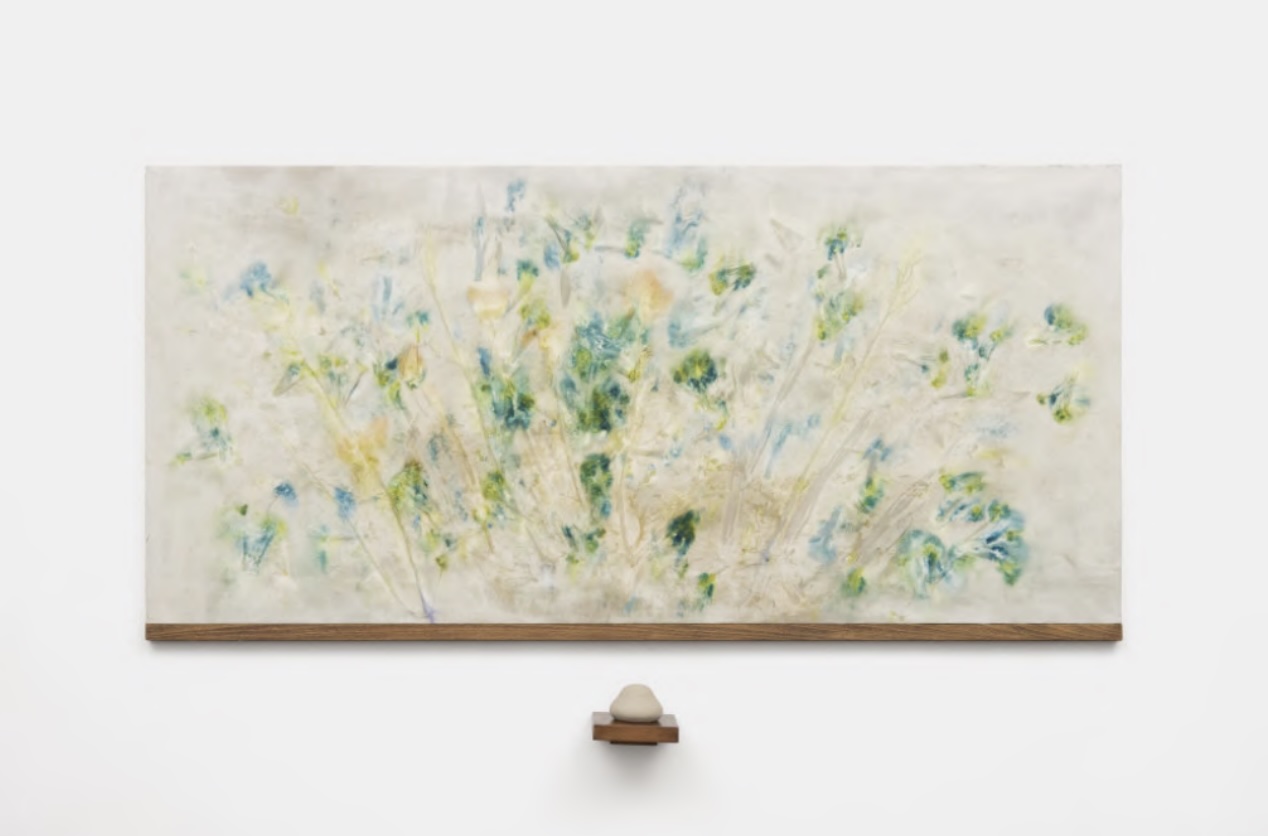
The Design-Forward Collector thinks spatially before they think about anything else. They curate instinctively — mixing media, varying scale, understanding how objects in a room speak to each other — and some of the most considered collections I’ve ever seen belong to this type. There’s nothing wrong with wanting art that looks good in your home. But the Design-Forward Collector often filters before they’ve even let the work in, deciding where something might go before deciding what it’s actually saying. The room is real. It’s just not supposed to be the first question.
The Strategic Collector
The Strategic Collector does the homework. They research exhibition history, gallery representation, institutional validation — everything the market can tell them before they commit. I’m not opposed to this approach; discernment is discernment, wherever it comes from. But when the spreadsheet becomes the whole argument, the Strategic Collector can miss the work that hasn’t been validated yet — the artist too early in their career for the provenance to exist, the piece that doesn’t have a track record because no one else has caught on. Sometimes the best evidence is the one still being written.
The Contextual Collector
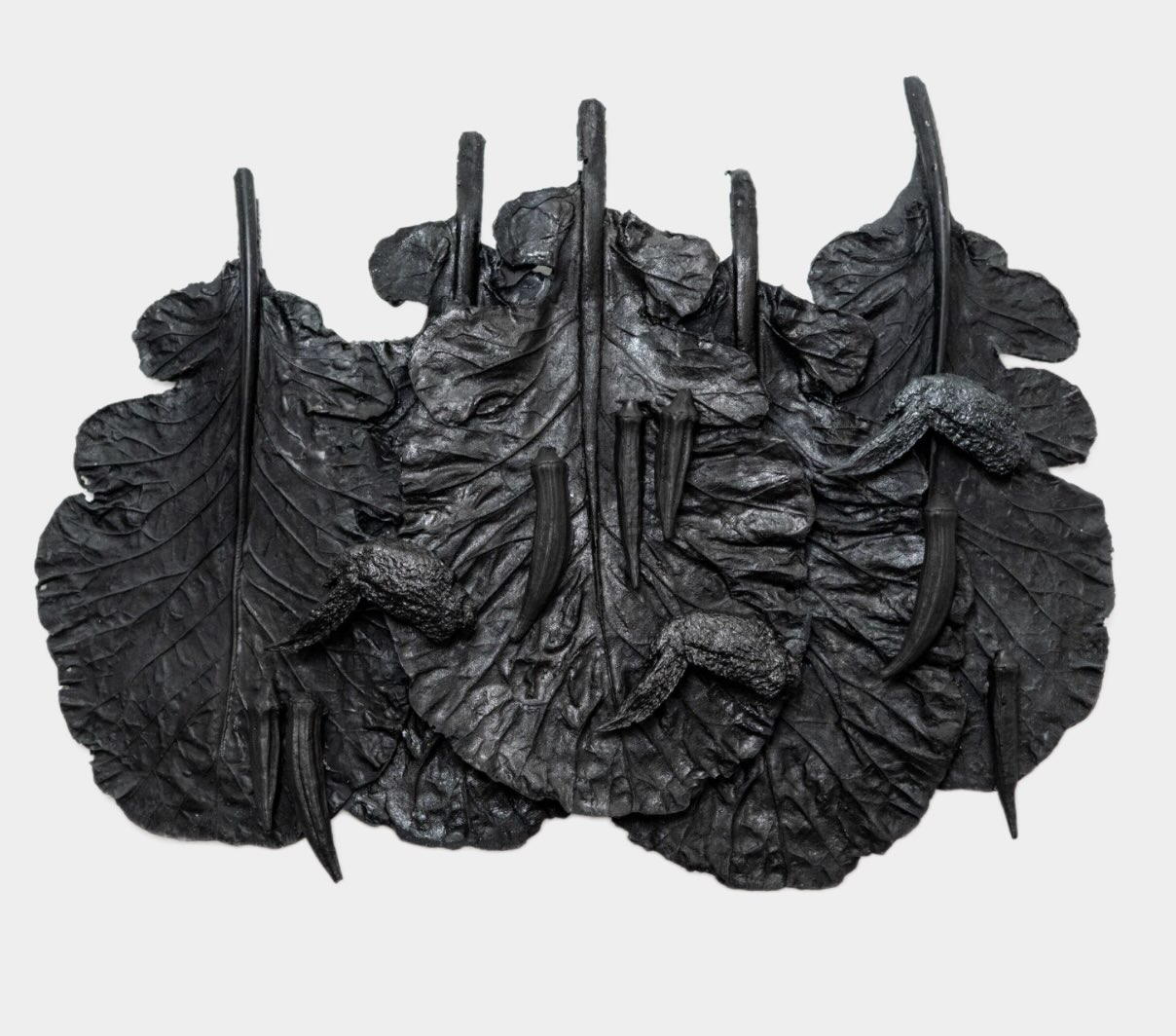
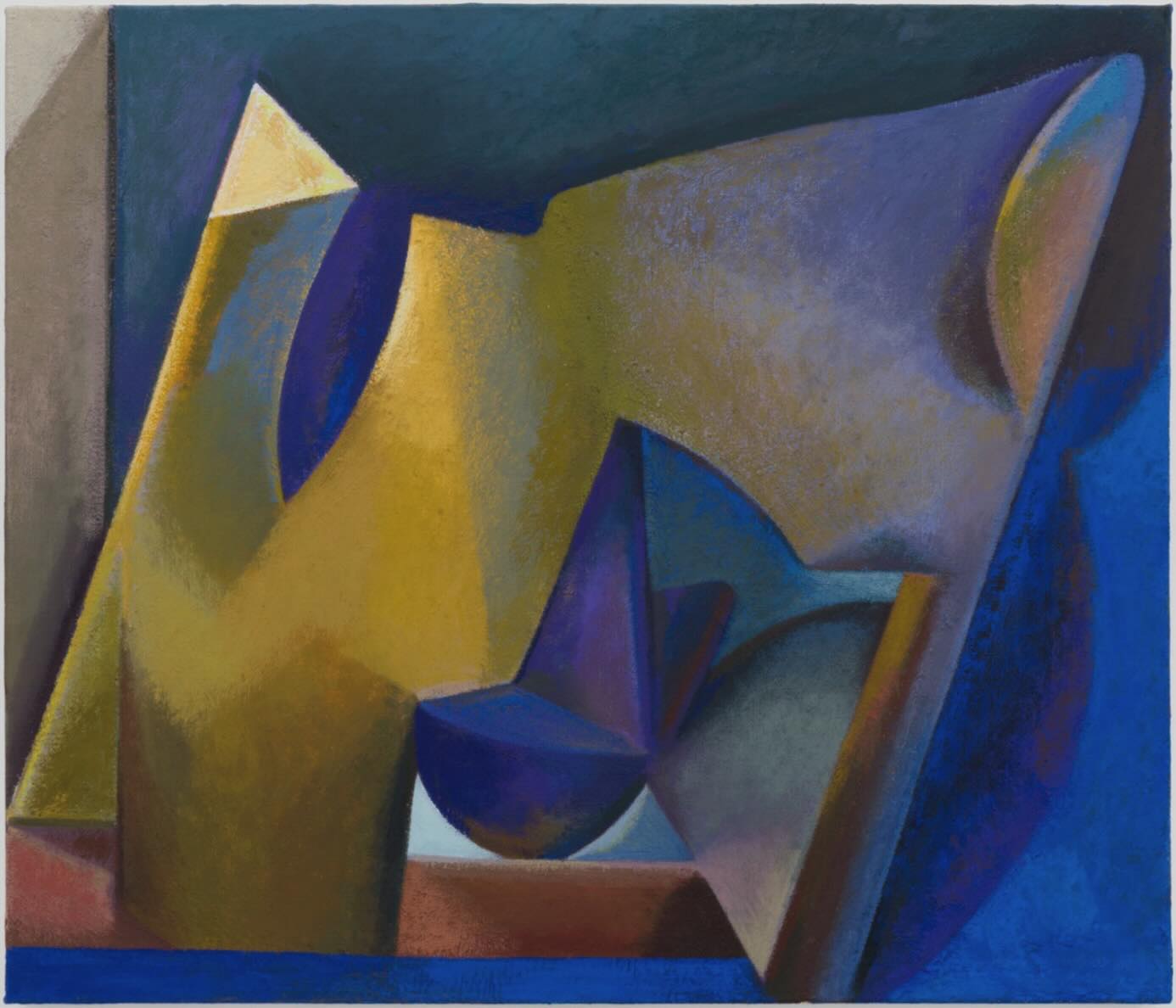
The Contextual Collector needs the story. They want to know who the artist is, what they were responding to, where the work sits in a larger conversation — because for this type, meaning isn’t separate from the object, it’s part of what makes the object worth having. I know this collector well; I am one. But context can become a crutch as easily as it becomes an asset. When the story isn’t immediately legible, the Contextual Collector can dismiss work that simply hasn’t found its language yet — mistaking their own unfamiliarity for the work’s failure. The story matters. But sometimes the work is telling you one before you’ve learned how to read it.