What To Do When You Don’t Know What You’re Looking At
How to look at art
There is a particular kind of pause that happens when you stand in front of a work in a gallery or museum and wait for something to happen.
You expect a reaction. A pull. A feeling that confirms you understand what you’re seeing.
And when nothing arrives, it can feel faintly embarrassing. As though the work has spoken and you simply didn’t hear it. Or worse, as though everyone else in the room is having a profound experience and you are just standing there.
Early on, I assumed that if I didn’t feel something quickly, the work wasn’t for me. I would move on. Or I would decide that I simply didn’t “get it,” which felt like a polite way of saying the problem was probably me.
But the blankness isn’t a failure. It’s simply your mind encountering something it does not yet recognize.
I have had clients return to works years later and wonder why they passed them up the first time. Usually, the work did not change. Their taste did.
Instead of escaping that pause, treat it as the beginning.
When you don’t know what you’re looking at, use this sequence — the same one I use in advisory sessions and workshops.
1. Start anywhere.
There is no correct beginning. You do not need to move left to right or understand the exhibition thesis before you look.
Start with the work that catches your eye first, even if you do not know why. Let your eye guide you — toward a color, a shape, a surface, or something you cannot yet name.
2. Look before you read.
I never begin with the wall text.
Until I have formed an image in my own mind, the language can feel abstract and distancing. Words about art without an internal image to anchor them can cause you to borrow someone else’s interpretation before forming your own.
Spend longer than feels comfortable simply looking. Notice where your eye moves. Notice where it lingers.
After you have formed a few questions, then read. Then ask the gallerist. Context is most useful when it answers something you have already begun to wonder about.
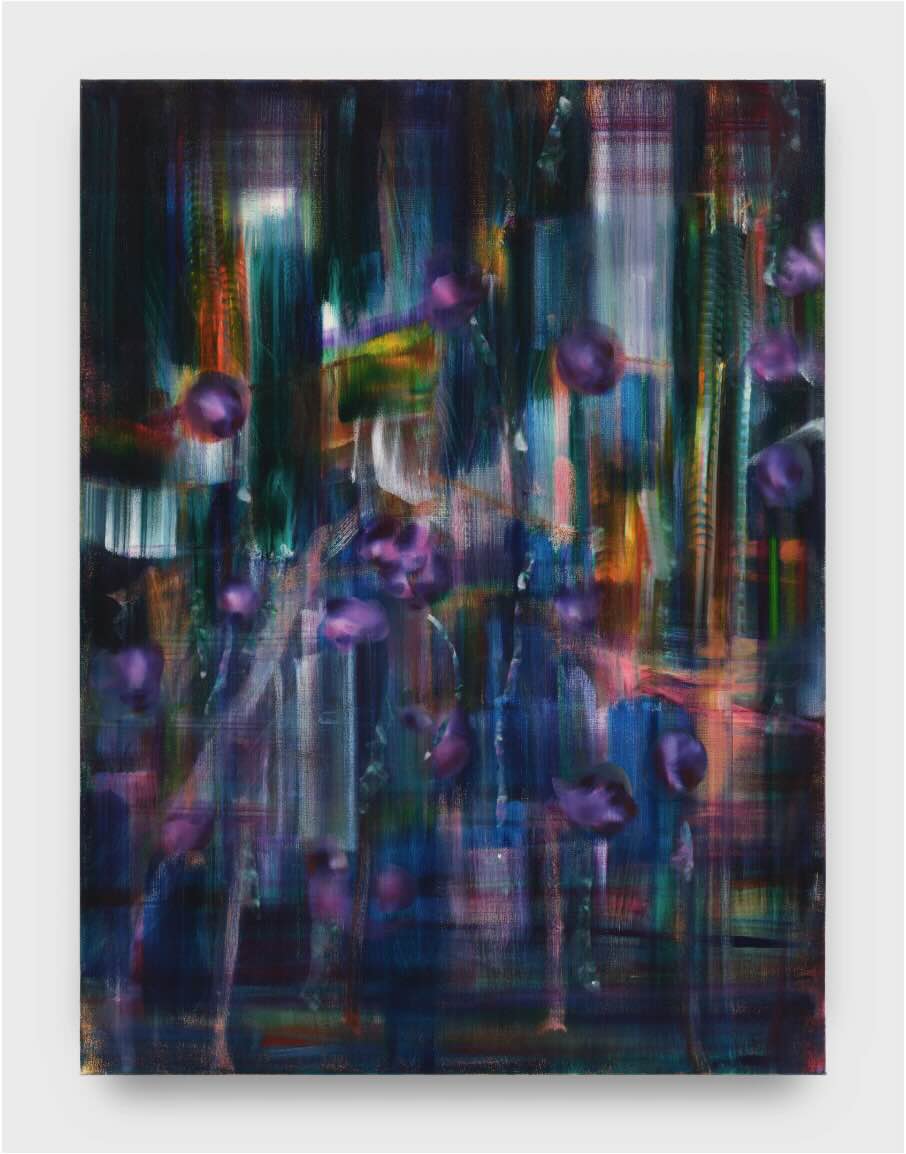
Here’s a new addition to The Collection that would be a great place to test your technique.
3. Notice when you are thinking about yourself.
Often, nothing is landing because we are not actually looking at the work. We are monitoring ourselves.
Am I getting this?
Do I look like I understand?
Is there a correct facial expression for contemporary abstraction?
That self-consciousness crowds out attention. Shift your focus back to the object.
4. Form a question, not a conclusion.
You do not need to decide whether you like it.
Instead, ask one question.
Why this scale?
Why this color?
Why does this feel restrained or chaotic?
Certainty ends looking. Curiosity extends it.
5. Leave and come back.
Walk the room. Look at other work. Then return.
If you find yourself pulled back toward it later, that is information. If it fades completely, that is information too.
As I have said before, taste develops through return, not reaction.
Much of my advisory work is built on this structure. First, I observe how a client looks. Then I present work without explanation. Only after they have formed their own response do we layer in context and return.
Discernment is built through repetition, not reaction.
The Collection exists to give you that repetition without pressure.
New work has been added this week. Start anywhere. Then come back.