How To Know If It’s Good? Part 1: Intentionality
This is the first post in a four-part series on the framework I use to evaluate whether a work of art has staying power. If you missed the introduction — When Is the Last Time You Bought Something That Will Outlast You? — start there. And if you’d rather watch than read, the masterclass video is coming soon. I’ll link it here when it’s live.
I had a professor at Davidson College who gave me the single most useful tool I know for understanding how to know if art is good — not a checklist, not a theory, just one question he asked about everything. Not “is this beautiful?” Not “is this technically accomplished?” Not even “do you like it?”
Why does this image look the way it does?
At eighteen I thought he meant historical context — the forces that shaped an artist’s moment, the movements they were responding to, the world they were making work inside. And that’s part of it. But as I grew in my understanding of art I came to realize the question was really about something more internal. It was about choice, the choices an artist made in response to those external forces. What were they controlling inside the studio amidst the uncontrollable external forces of the times in which they lived?
That question became the foundation for the first criterion I use when evaluating whether a work has staying power: intentionality. It won’t tell you everything about whether a work is good. But without it, nothing else matters much.
Here’s the core concept: is the artist in command of their choices?
If you think about a work of art less as a finished product and more as a series of decisions a person made to communicate a particular message, intentionality snaps into focus. Every decision — scale, material, mark, color, composition — should feel considered rather than accidental or decorative. The question isn’t “is this skillful?” It’s “does this artist know exactly what they’re doing and why?”
Craft without intention is decoration. Intention without craft can still produce powerful work. But when you get both, you get something worth stopping for.
The Picasso Problem
The clearest example of intentionality in art history is also the most misunderstood.
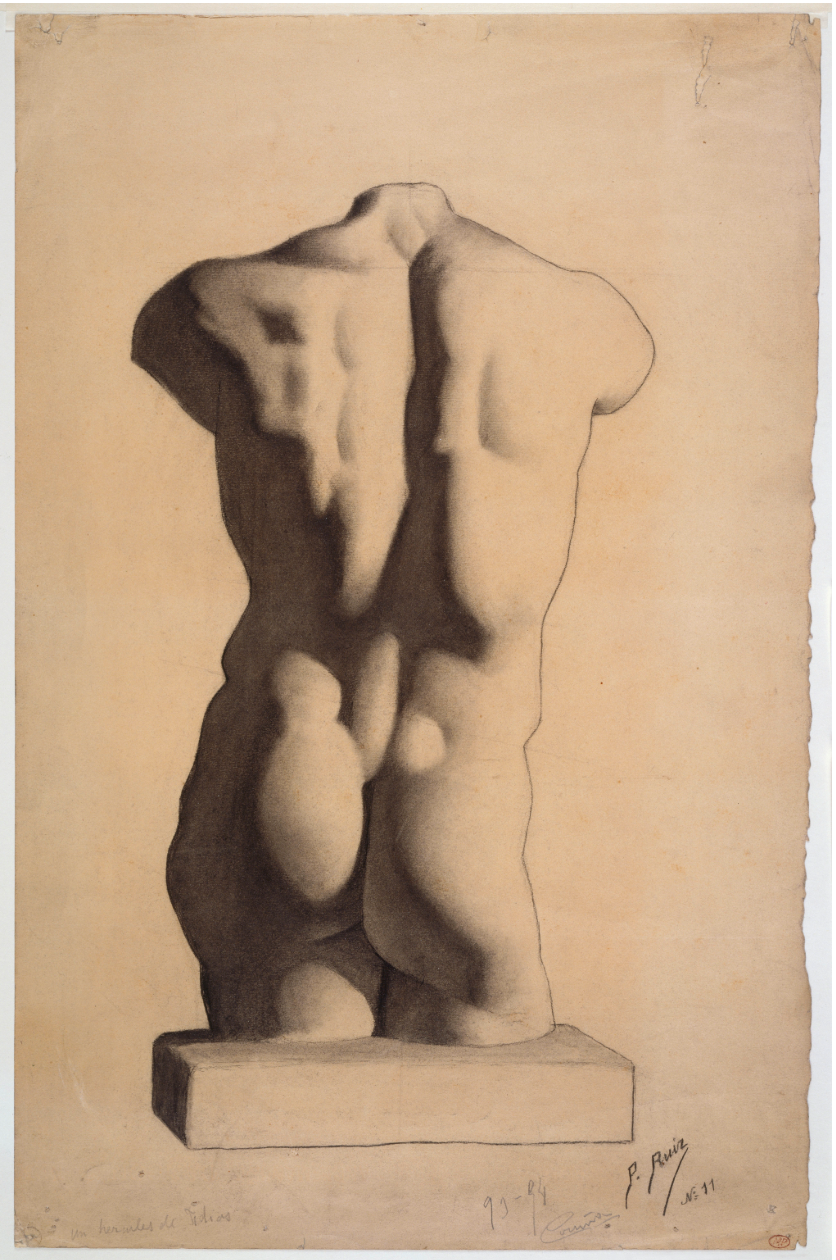
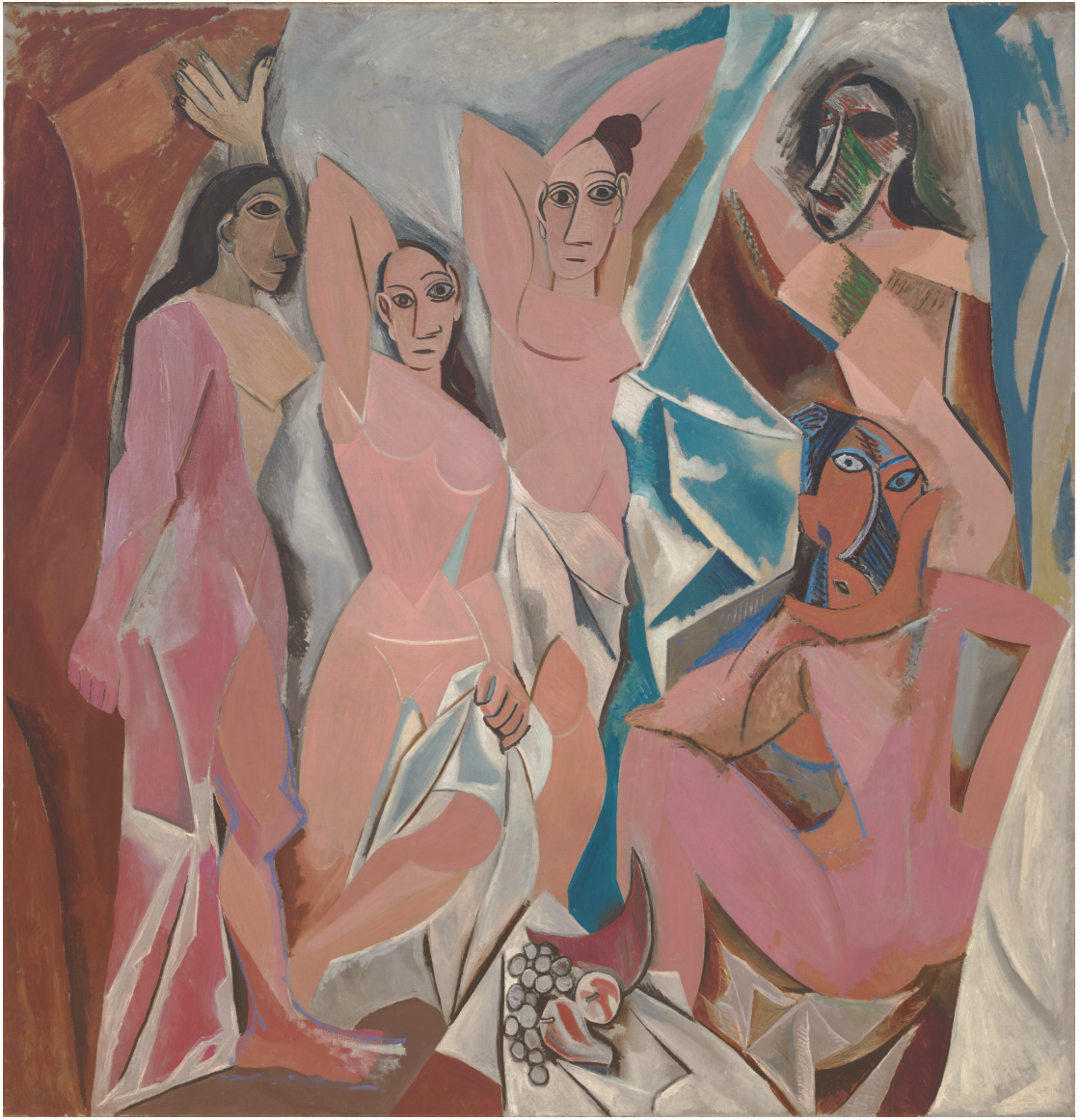
Everyone knows Cubism looks strange. The fractured planes, the multiple perspectives simultaneously visible, the figures that seem to be coming apart and reassembling at the same time. Most people assume it looks strange because Picasso was doing something new and difficult — that the strangeness is the symptom of a learning curve.
It isn’t. Picasso was one of the greatest draftsmen who ever lived, on par with Michelangelo. He was a prodigy who could render the human figure with photographic accuracy by the time he was a teenager. Cubism doesn’t look the way it does because it had to. It looks the way it does because Picasso chose it. Every fractured plane, every impossible angle, every figure that refuses to resolve into legibility — that was a decision made by someone who knew exactly what he was giving up and why.
That’s intentionality. Not the inability to do something else. The deliberate choice to do this instead.
Intentionality in Representational Work
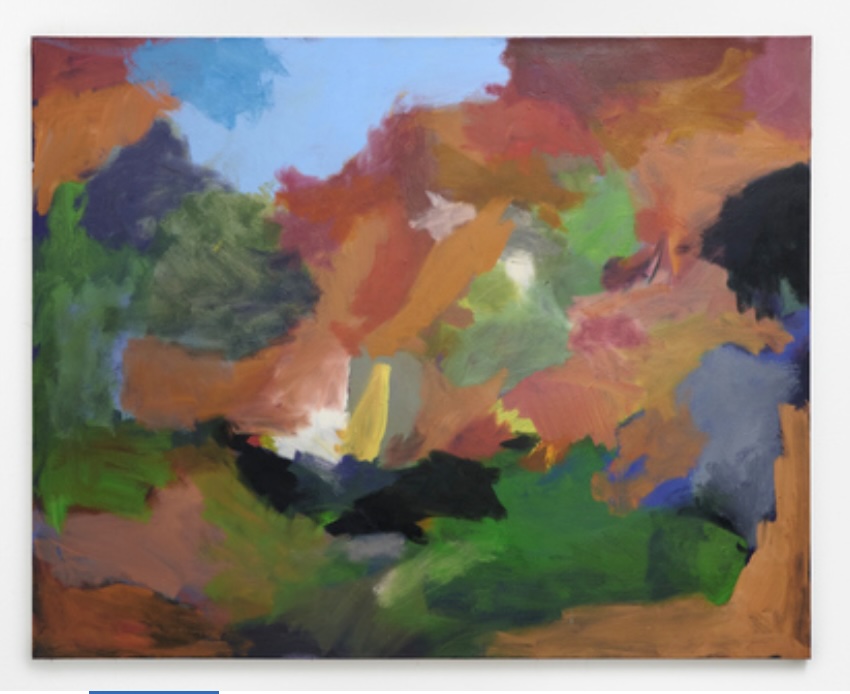
Stephen Thorpe makes it easy. His paintings are representational — you can read the landscapes, the atmospheric shifts between interior and exterior, the collision between the natural world and the psychological one. When you look at a Thorpe, you feel almost immediately that someone is in complete command of what you’re seeing. The gradations of color are deliberate. The compositional tension is deliberate. The way the work sits at the border between the recognizable and the dissolving is deliberate.
Thorpe’s gallery describes his work as “deliberately rendered to represent the dualities, synergies, and contradictions of relation between environment and human interiority.” That sentence is doing what the best artist statements do — it confirms what you already felt standing in front of the work. The form and the concept are in alignment. There is a reason this looks the way it does, and once you understand the reason, you see it everywhere in the work.
That alignment — between what an artist is trying to say and the choices they make to say it — is the signature of intentionality.

Intentionality in Abstract Work
Abstract work is harder. When there’s no subject to anchor you — no figure, no landscape, no recognizable object — it can be tempting to assume that whatever happened on the canvas was more or less accidental. Paint flew, gravity pulled, the artist responded to what emerged. And sometimes that’s true. Sometimes a work really is just what happened.
But sometimes the apparent chaos is the most intentional thing in the room.
Demetrius Wilson‘s paintings look, at first encounter, like pure energy. Paint flies across his canvases like a collision. Fragments of bodies and beasts emerge from turbulence and dissolve back into it. The work is saturated with color, driven by restless mark-making, full of violence and movement and something that feels almost uncontrolled.
It isn’t.
Wilson is investigating specific ideas — truth, beauty, and violence, and whether they exist independently from humankind. His abstractions represent a deliberate departure from his earlier figurative work. He could paint a figure. He chooses not to, because the abstraction opens the canvas as a laboratory for the ideas he’s working with in a way that figuration wouldn’t. The marks that look accidental are in fact choices made in service of a very specific inquiry. The turbulence is the point. The fragmentation is the point. The violence that feels generative rather than destructive — that is absolutely the point.
This is how you apply the intentionality lens to abstract work: you ask whether the form supports the concept. Not whether you can explain the concept without reading the wall card, but whether the work makes you feel like the artist intended — whether the choices they made reflect or support their end goal. Does this look the way it does because the artist chose it, or because they stumbled onto it?
Wilson’s work answers that question with complete confidence. Even if you don’t know what he’s investigating, you feel that someone is in command. That’s intentionality operating below the level of conscious understanding — which is, arguably, where the most powerful work happens.
The Practical Question
When you’re standing in front of anything — representational or abstract, figurative or conceptual — the question worth asking is simple: could this have been made differently and been equally strong?
If the answer is yes — if the colors could have been different, the scale could have been smaller, the mark could have been looser, and none of it would have mattered — then the choices aren’t doing necessary work. The craft may be impressive. The result may be beautiful. But it’s decoration.
If the answer is no — if this work could only be this and nothing else, if every decision feels load-bearing, if changing anything would change everything — then you’re probably looking at intentionality.
That’s the test. It won’t always give you a clean answer. But it will always make you look harder. And looking harder is the whole point.
Every collector has a type.
A default way of engaging with art — and a default reason they walk away from something they should have bought. Find out yours in two minutes.
Take the Quiz →Already a member? This week's new additions to The Collection are waiting.
Explore The Collection →