How To Navigate An Art Fair Without Losing Your Mind
Casey Monda
If you are reading this, you are likely currently standing on the concrete floors of Navy Pier wondering how to navigate an art fair without losing your mind.
You need a system. (Also, godspeed to your lower back.)
The air is thick with perfume and art-speak, and there are roughly 3,000 works vying for your attention. To leave with a list of 8–12 artists you actually care about — rather than just a headache — here’s what actually works.
The beauty of this method is that it’s rinse and repeat. Whether you’re at EXPO today, hitting the Dallas Art Fair and Dallas Invitational next week (April 16–19), or prepping for the Frieze/Independent/NADA trifecta in New York this May, the rules don’t change.
- Skip the Front, Go to the Back
Skip the blue-chip behemoths at the entrance. They don’t need your love — they have private jets. Go to the back. Look for the emerging galleries. That’s where the Off-Broadway energy is — risky, raw, and actually accessible.
- The Inverse Grid Walk
Don’t follow the herd. Walk to the very back of the hall and work toward the entrance. You’ll be looking at art while you still have brain cells — before fair fatigue makes every painting look like a Rorschach test.
- The Two-Photo Rule
Don’t trust your memory. By hour three your brain is mush. Take a photo of the work and a photo of the wall card. Without the card your camera roll is just a confusing digital junk drawer of colors you no longer recognize — rather than a roll call of galleries worth remembering after the fair.
- The Coffee Audit
Every two hours, leave the floor. Sit down. Scroll through your photos and delete at least half. If it doesn’t spark genuine interest on the second look it’s not making the list. The fair will still be there when you go back in.

EXPO Chicago: A Laboratory (With Better Outfits)
Casey Monda
Last week, we got deep into the weeds of “What is Good Art?” It was all very high-minded and philosophical—the kind of theory that feels important until you’re actually standing in a room with 3,000 paintings.
But this week, it’s time for the technical rehearsal. EXPO Chicago opens at Navy Pier in a few days. For the uninitiated, an art fair is a strange ecosystem. It’s 170,000 square feet of visual noise, overpriced espresso, and a lot of Americans trying on the European “air kiss” thing for size.
Before you step onto the Pier, you need a mental pre-game. If you walk in without a “Why,” the fair will decide your “Why” for you (and it will usually be “Buy this shiny thing because the gallerist was nice”).
- Define Your “Why”: I don’t mean pick a wall and shop for it. I mean establish a question or two you want to answer, like “Do I love contemporary Korean art as much as the hype suggests?” or “I’ve never been an abstract art person; I wonder if spending time with it in person will change my mind.” Maybe you are scouting for a five-year collection plan. If you’re looking for everything, you’ll see nothing. Pick a lens—be it emerging photography or textiles from the Midwest—and let that be your North Star.
- The “Non-Buyer” Immunity: Decide now that you aren’t under pressure to buy a single thing, but give yourself space to do so if you are so led. I use a weird reverse psychology trick on myself that removes the dopamine hit of buying by removing the anticipation. I grant myself permission to buy whatever I want. I tell myself that if I see it and love it, I can have it. Ironically, this flips the narrative from “wanting and not being able to have” to “the fair is my bed of oysters and I want to choose the one with the biggest pearl.” Try it next time you’re out shopping. I bet you leave with less than you would otherwise.
- The Comparison Engine: In a gallery, an artist’s work is in a vacuum. At a fair, it’s a chorus line. You can see twenty artists all trying to “reinvent the portrait” within a three-aisle radius. Ask yourself: Which one feels like a discovery, and which one is just a revival of someone else’s ideas?
- Beware the “Visual Sugar”: Fairs love a “Glitzy 11 o’clock Number.” Big scales, neon lights—things that look great on Instagram but feel “thin” after three minutes of actual looking. Notice what stops you because it’s loud, and what stops you because it’s dense.
P.S. I’ll be filming a “How to Walk a Fair” Masterclass for my paid subscribers this week at EXPO. It’s a 10-minute deep dive of me actually navigating the floor in real-time. No “best of” fluff—just my actual method with IRL examples of me working through the filter. It’ll drop next Sunday.
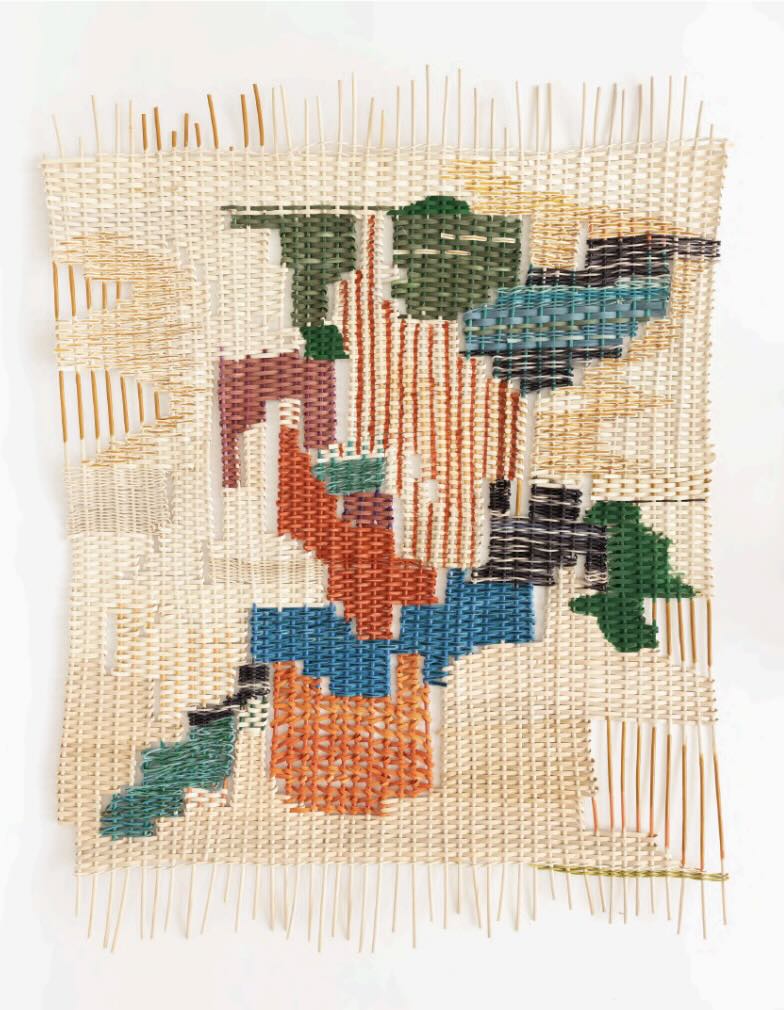
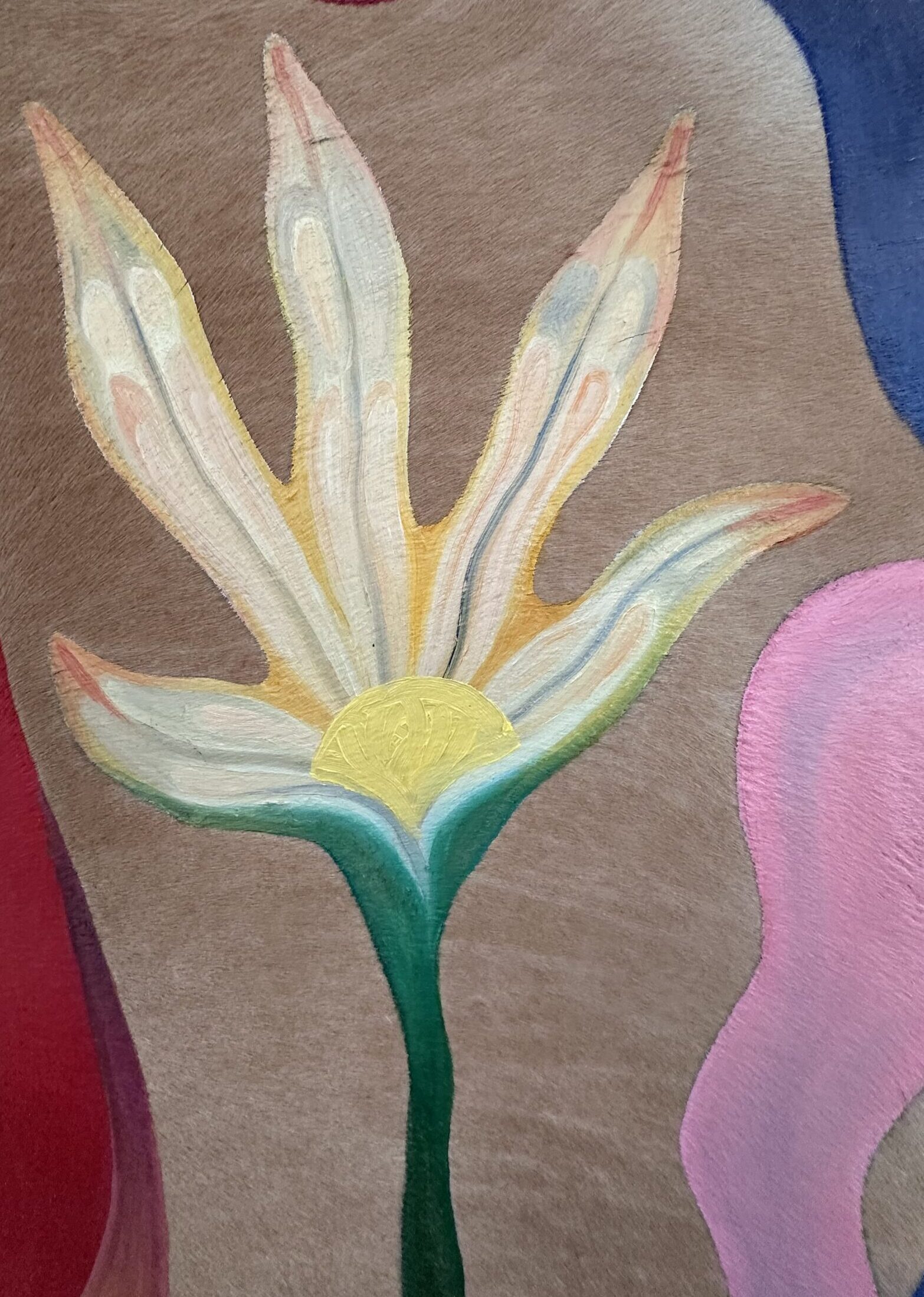
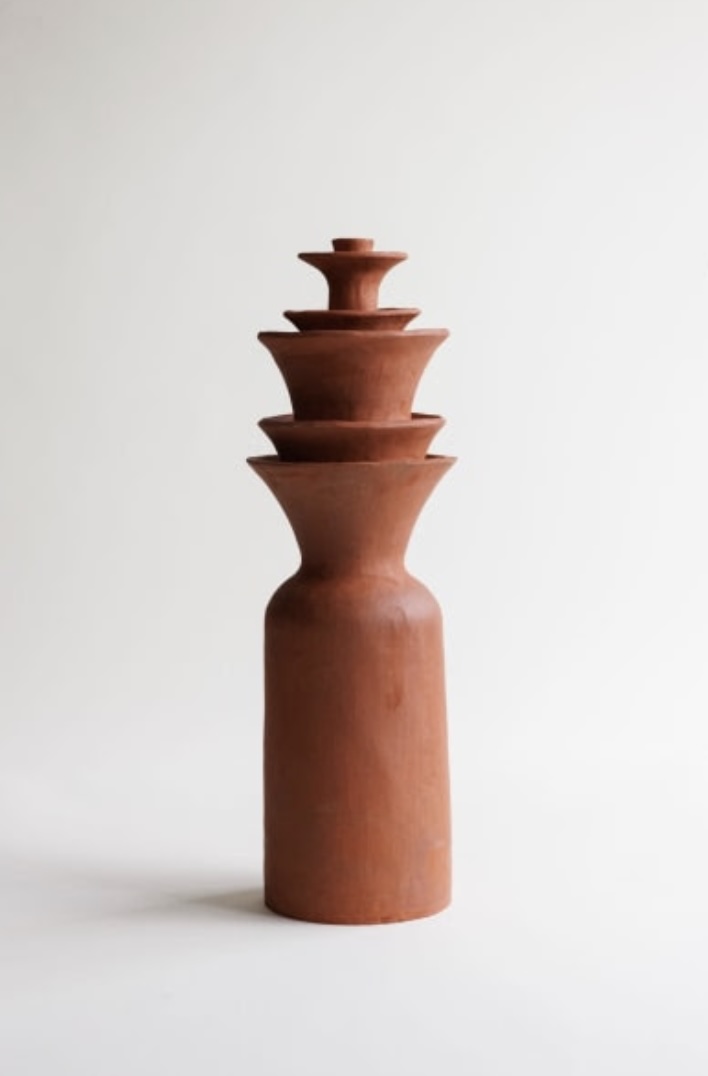
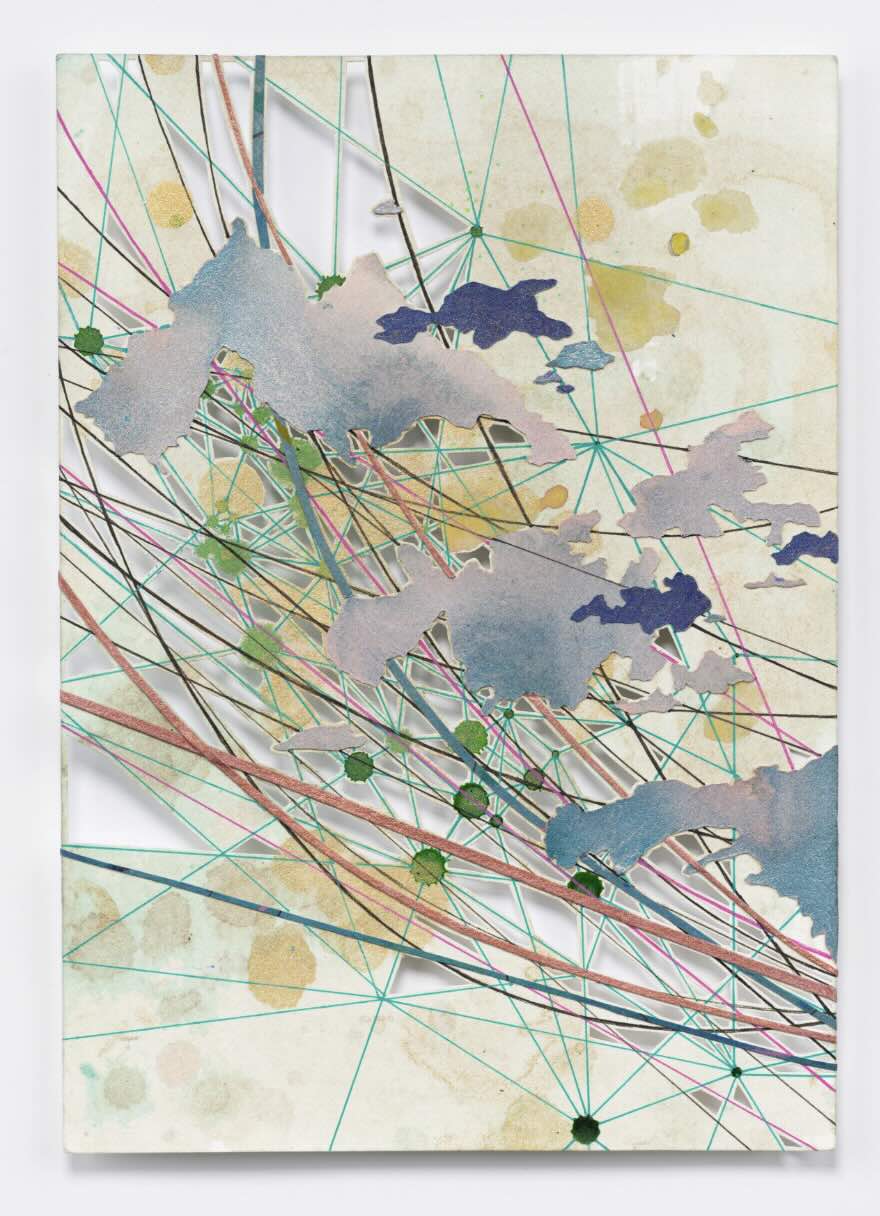
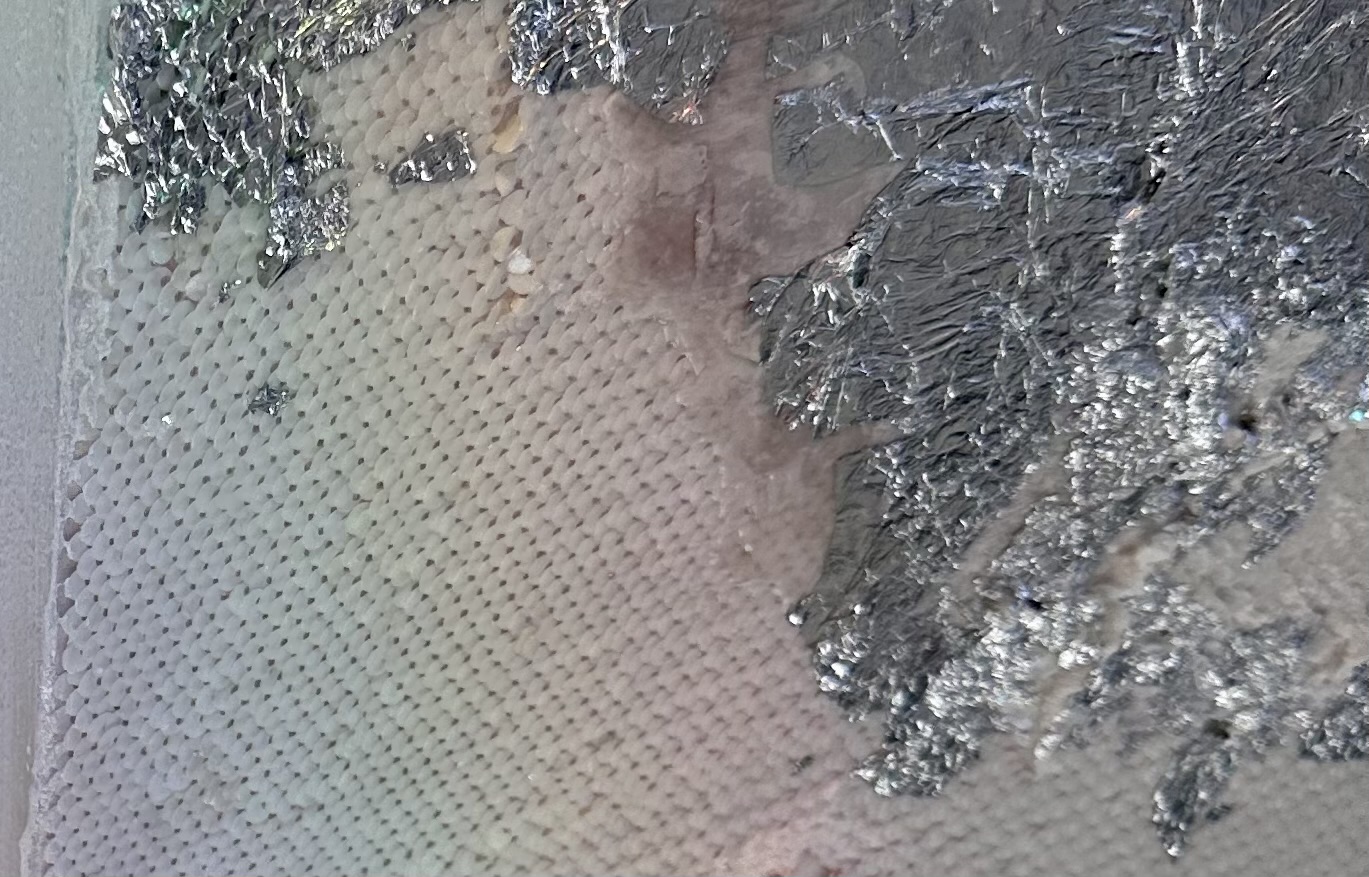
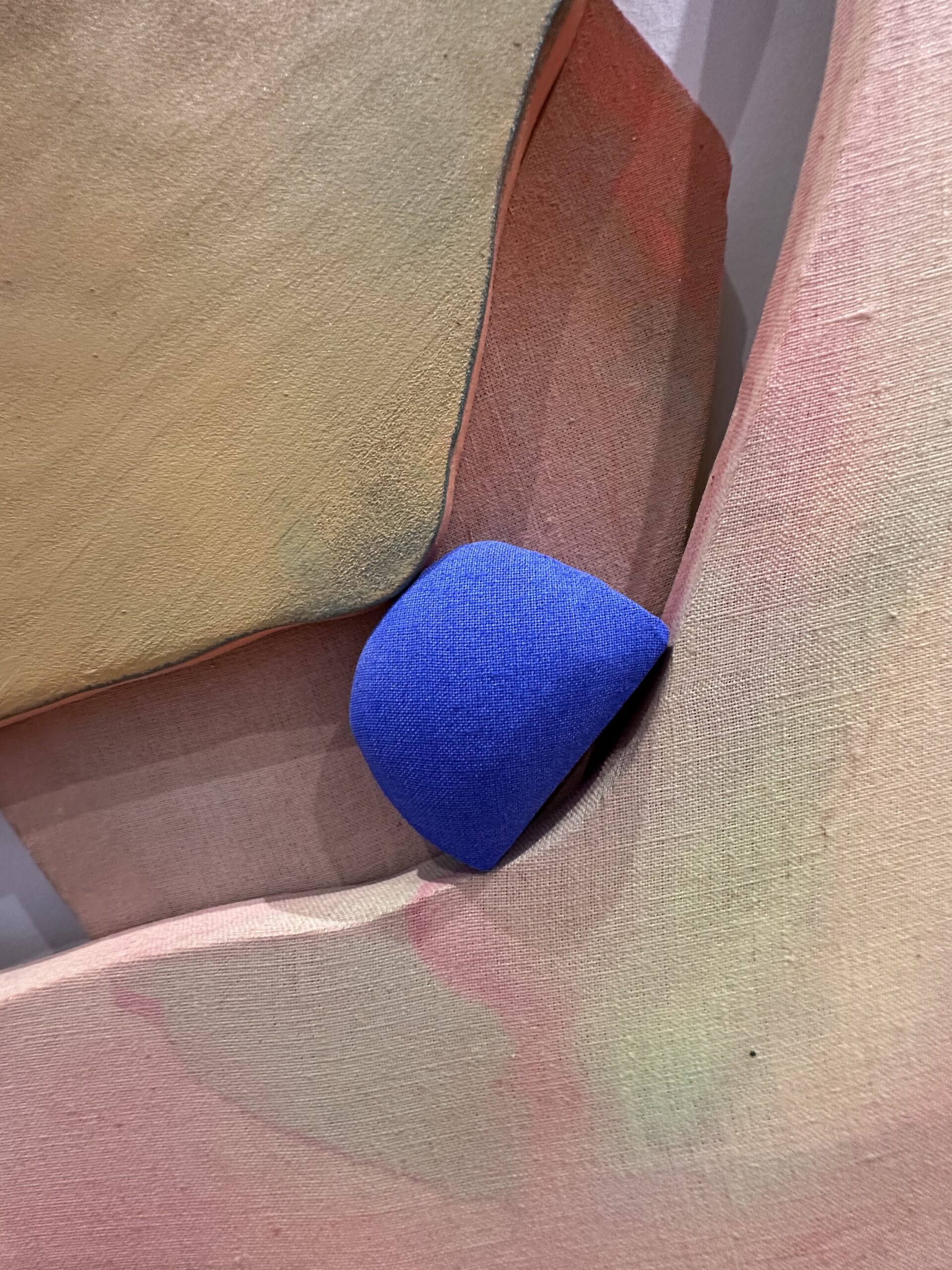
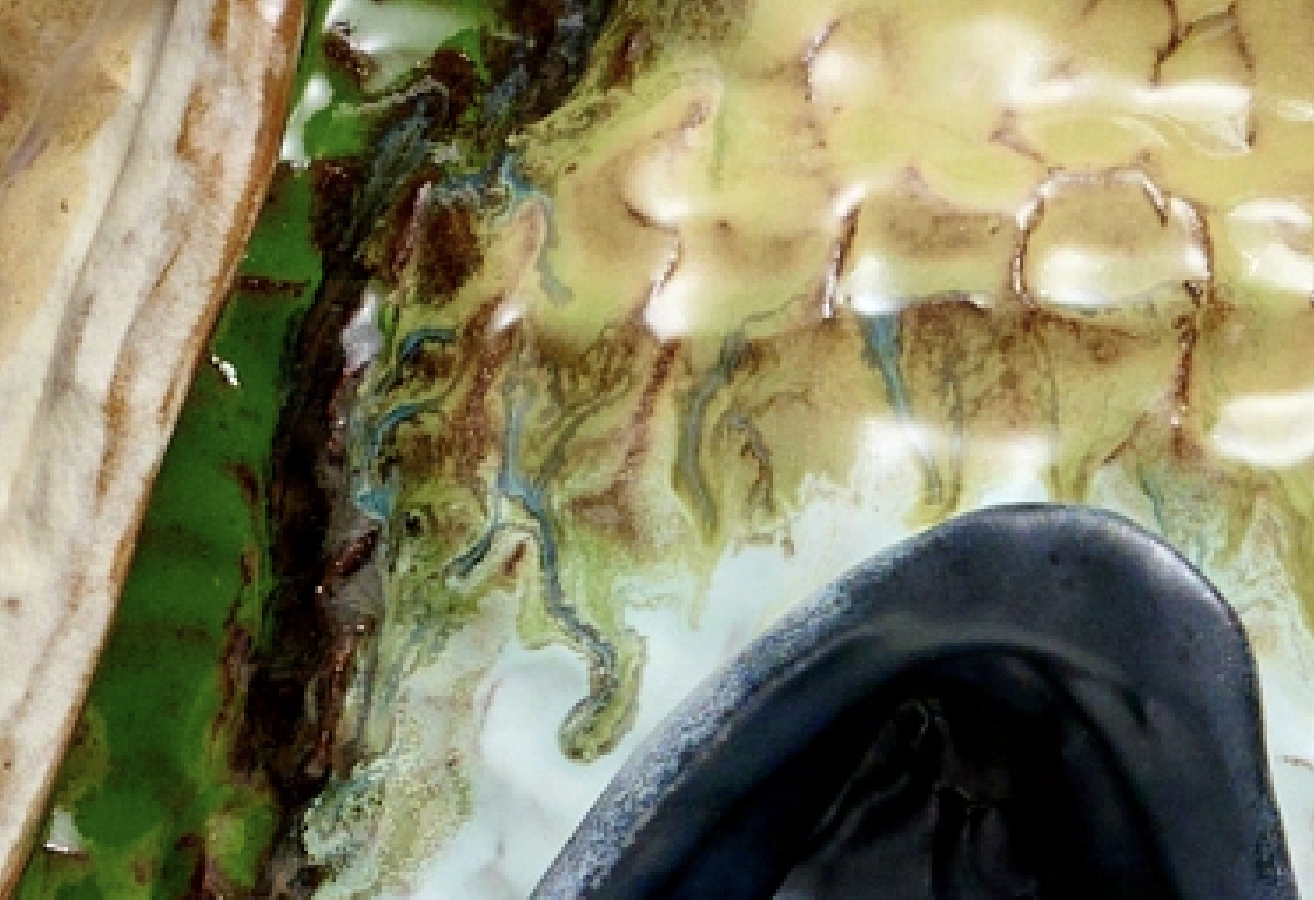
This week’s additions to The Collection come from my recent visit to New York. Geometric abstraction, a fresh approach to the garden, and some unique materials are all on view in The Collection now. All three artists are new to me and should be on your radar too!
What is Good Art?
Casey Monda
Most new collectors start with the same question: what is good art? It feels like the right question, and more importantly, it feels like one you should be able to answer before you spend any money. If you could just figure that out first, everything else would fall into place. Right?
Wrong.
It doesn’t usually work that way.
The question itself is part of the problem. Asking whether something is “good” is vague at best and premature at worst—especially at a moment when you have not yet developed the eye required to make that kind of judgment. More often than not, what you are really asking is whether something is worth buying. That is a different question, and not one you can answer cleanly in advance. What is “good” will vary from collector to collector, and it tends to reveal itself over time rather than in a single moment of clarity.
Most people begin by looking for visible signals. How skilled is the painting? How complex is the process? How long must this have taken to make? Is it expensive? These are understandable instincts. They offer something concrete to hold onto when everything else feels uncertain.
They are a starting point, but they are not reliable as complete dataset. There is a great deal of expensive, market-driven work that does not hold up, just as there is extraordinary work that goes unnoticed and undervalued for years. Skill is easy to recognize, but it does not guarantee that a work will hold your attention over time. Complexity can feel impressive without actually being meaningful. Labor is often mistaken for depth. Price reflects a market, not necessarily an experience. None of these are useless, but none of them, on their own, are indicators of quality.
(I should also acknowledge that there are larger forces at play here—institutions, markets, and the slow formation of the canon. We’ll come back to those. For now, the more useful question is how you begin to recognize quality for yourself.)
To get at the heat of the quality question, a more productive approach is to shift the questions you are asking. Not “is this good,” but: have I seen this before? Is this a familiar solution, or does it take a different position? What are other artists doing with this same set of ideas? What is this artist attempting that feels distinct? And, over time, does this feel like it contributes something to a broader conversation, or does it simply echo what is already there?
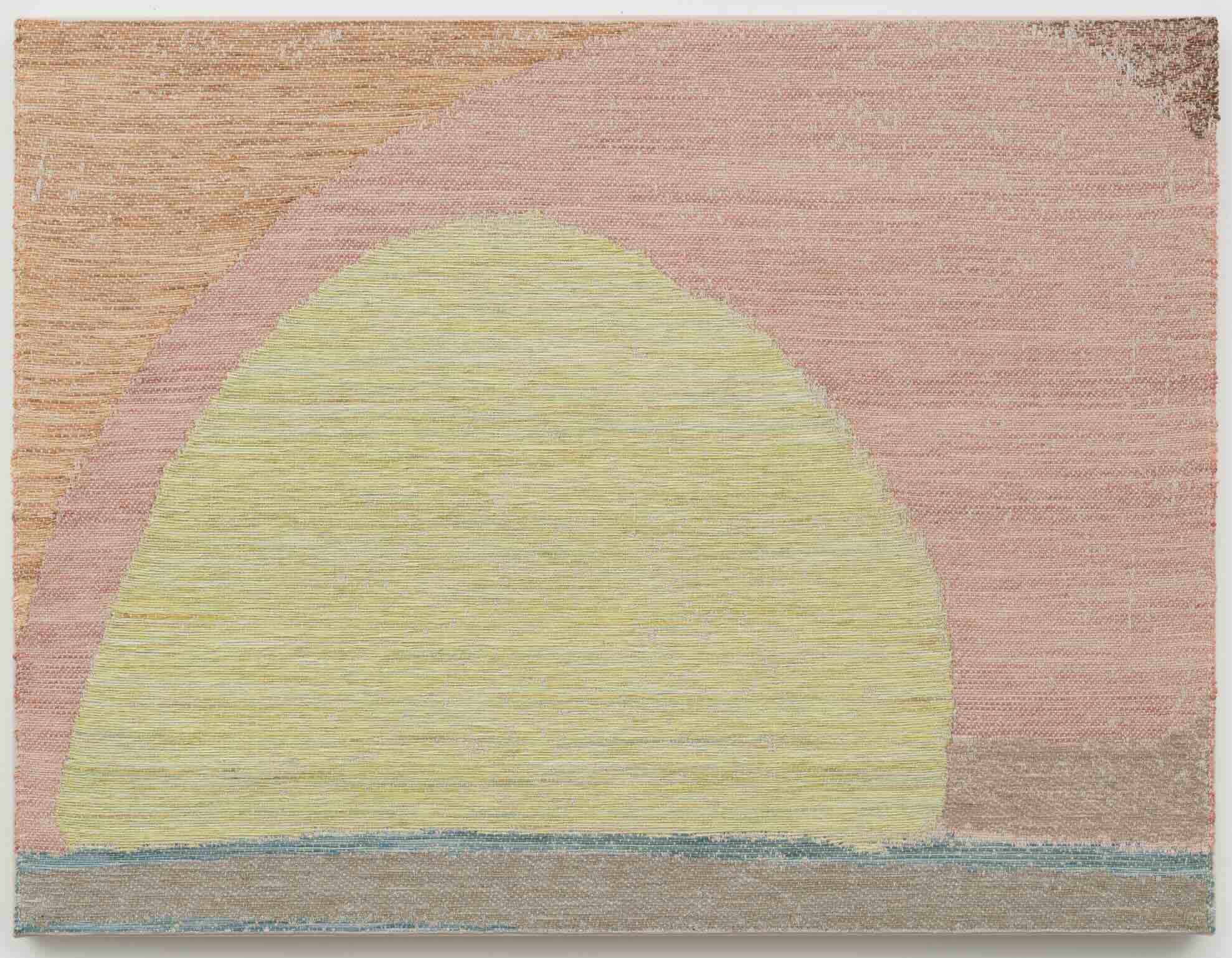
The following works were added to The Collection this week—artists whose work I would recommend spending time with right now because they are doing one of the above well.
The artists who endure—whether over decades or centuries—are the ones who give future viewers a clear sense of how people of their time thought, felt, and understood the world. As an art historian, I often find myself projecting forward. How do I evaluate work from the past, and how might that same rigor apply to what is being made now? It is easier to identify importance in hindsight. The challenge is learning to recognize the conditions that tend to produce it in the present.
There is another layer to this, which is less often acknowledged, and we discussed a few weeks ago. Many people hesitate to even admit what they like, not because they don’t feel anything, but because they are unsure whether their reaction is “correct.” It feels safer to wait until you know whether something is good before allowing yourself to respond to it. That instinct is understandable. It is also what leads to missed opportunities.
Once everyone agrees that something is good, you have usually lost the window to access it meaningfully. Collecting emerging art is closer to a venture capital mindset than a private equity one.
The reality of identifying quality and collecting is not tidy. You can like something that isn’t strong. You can also overlook something that is. Sometimes a work will strike you immediately and then lose its hold on you. Other times a work that felt quiet at first will deepen the longer you spend with it. And sometimes your first instinct will be exactly right. There is no single moment when quality reveals itself, and no consistent sequence you can follow to arrive at it.
What changes over time is not your ability to make perfect judgments. It is your sensitivity to difference. You begin to notice which works are likely to continue to hold your attention and which ones will fade more quickly. You start to feel when something has depth, even if you cannot immediately explain why. The obvious signals—skill, effort, price—begin to matter less, and your own sustained response begins to matter more.
This is where taste sharpens. Not through certainty, but through exposure. Not by deciding what is good in the abstract, but by learning to recognize what is going to hold up when you return to it. Over time, that distinction becomes clearer, and once it does, the question of what is “good” starts to matter a little less.
Because you have learned how to see for yourself.
If you want to see how this plays out in real time, you need to look at a lot of work—and not all of it is worth your time.
The Collection is where I share the artists and works that are actually catching my attention, and that I would feel confident recommending to a client.
The works included above are part of this week’s update.
Many are available directly through the gallery. If not, the gallery can help source related work.
The Purchase Is the Least Interesting Part
Casey Monda
Last week we talked about fear.
Most people assume the most significant moment in the acquisition process is the purchase. They imagine the decision as a kind of test: Did I choose correctly? Will I regret it? What if someone more knowledgeable thinks I misunderstood the work?
Before a piece enters your home, those questions can feel enormous. You picture yourself living with the consequences of a decision that suddenly feels very public. Collectors sometimes behave as though they are about to sign a treaty rather than hang a painting.
But something interesting happens once the work actually becomes part of your environment.
The piece stops being a decision and starts taking on a presence of its own.
At first you notice it constantly. You walk past it and glance toward it the way you might check a new haircut in every reflective surface. Your brain registers that something has changed.
Then a subtle shift begins to take shape. Good art actually changes how the room is used.
People sit in a different chair than they used to. They linger a little longer before leaving. A time of day that used to pass unnoticed suddenly becomes interesting because the light hits the surface in a way that reveals something new. What was once a pass-through space becomes a place to pause.
I have seen this happen many times in client homes. One couple installed a painting in a room they previously walked through without much thought. A few weeks later they told me they had started drinking their morning coffee there. For about twenty minutes each day the early light hits the surface of the painting in a way that makes the entire room glow. It became a small ritual they began to look forward to.
The painting did not just decorate the room. It reorganized how they lived in it.
This is one of the reasons experienced collectors worry less about whether they made the “right” decision. They understand that the real relationship with a work begins after it enters the home. Galleries are where you encounter the work. Living with it is where you actually understand it.
Scale feels different at home. Time interacts with the work differently. The emotional tone of a piece begins to shape the atmosphere of the space around it. A bold painting can anchor a room. A charged work can add energy. A contemplative piece can slow everything down.
When a work truly belongs in a home, it does something subtle but powerful: it changes how you inhabit the space.
This is why developing taste matters so much. For anyone trying to understand how to develop taste in art, the works you choose to live with will influence your daily environment more than almost anything else you place in a room.
Furniture supports life. Art reflects it.
Over time the question stops being whether you chose correctly. The work becomes part of the background of your life, shaping the mood of the room and the rhythm of your day.
That is when you realize collecting art is not really about ownership.
It is about living with ideas.
You’re Not Afraid of the Price. You’re Afraid of Being Wrong.
Casey Monda
Most people assume the biggest barrier to art collecting is the price.
Most people are wrong.
Price is rarely the problem.
The hesitation usually sounds more like this: What if I get it wrong? What if I buy something and stop liking it? What if someone more knowledgeable sees it and thinks I made a bad decision? What if I misunderstood the work entirely?
Price becomes the convenient explanation, but the underlying anxiety is rarely financial. It’s ego. Reputation. Psychology. Collecting forces you to plant your flag and declare a point of view. That can feel risky.
As we have discussed before, the art world does not do much to soften that feeling. Galleries are careful about placement. Artists care deeply about where their work ends up. Museums reinforce hierarchies of taste. Spend enough time around it and you begin to suspect there must be a correct answer somewhere, a group of people who simply know what is good.
But collecting does not actually work that way.
Taste is not a test you pass once and then move on from. It develops the same way instinct does: slowly, and usually through a mixture of partial understanding, repeated exposure, and the occasional misjudgment.
In other words, mistakes, depending on how you define the term.
Is it a mistake if you decide in five years you don’t love a piece as much as you thought you would? Maybe. It could also mean you went through a major life change and your perspective shifted. Is it a mistake if an artist’s career does not take off the way you anticipated and you cannot recoup your investment? Maybe, if investment was your collecting thesis. But if you still enjoy having your morning coffee with the work every day, then I would argue you got it exactly right.
The collectors who develop the most interesting collections are the ones who take risks and occasionally make mistakes. They keep looking, keep refining, and keep adjusting their point of view as they learn more.
Fear, as it does with so many things, interrupts that process.
Instead of buying thoughtfully, people wait until something feels perfectly safe. Until the artist is widely validated. Until the decision feels guaranteed. By that point the moment of discovery, the part that makes collecting interesting in the first place, has usually passed. And to be honest, that is when price suddenly becomes the issue.
This does not mean collecting should be impulsive. The goal is not to eliminate mistakes entirely. The goal is to build enough clarity about your own taste that your decisions are born from confidence rather than vulnerable risk-taking.
That clarity develops through repetition.
Looking at a lot of work. Returning to artists more than once. Noticing what continues to hold your attention and what quietly fades.
Eventually those patterns become visible. You start to recognize the emotional temperature you gravitate toward, the kinds of ideas that stay with you, and the artists who feel aligned with the way you see the world. When that recognition begins to form, decisions start to feel less like guesses and more like extensions of a developing point of view.
You are not eliminating risk when this happens. Collecting will always involve uncertainty. What you are doing instead is reducing noise. The work that truly holds your attention begins to separate itself from the work that merely impressed you in the moment.
For anyone learning how to develop taste in art, that shift is crucial. Collectors who trust their decisions are not the ones with perfect information. They are the ones who have spent enough time looking to understand the logic behind their own responses.
Mistakes still happen. Preferences evolve. Collections change direction. That is not a failure of the process. It is the process.
Fear begins to lose its power once you understand that collecting is not about proving you were right the first time. It is about building a point of view that becomes clearer over time.
You Don't Have Good Taste
Casey Monda
I mean, no offense, but you probably don’t — at least not in the way people traditionally talk about it.
When we say someone “has good taste,” what we usually mean is that their choices feel coherent, intentional, refined. Nothing feels accidental. But good taste is not a fixed aesthetic. It isn’t pink or minimalist or conceptual or figurative. It doesn’t belong to a single style, palette, or movement. In fact, people with what we call “good taste” often express themselves in wildly different ways. What they share is not a look, but clarity. They understand their own orientation well enough to express it cleanly, and that clarity reads as elegance.
Preference, however, does not equal taste. Preference is immediate. You like a color. You’re drawn to a composition. You respond to a mood. There is nothing wrong with that. But preference is unstable. It shifts with environment, emotion, and trend.
Even louder is impulse. The cultural messaging is relentless: go with your gut, trust your instincts. I don’t necessarily agree — not at the beginning.
When it comes to developing an art collection — and learning how to develop taste in art more broadly — you cannot trust your instincts until you’ve built the foundation from which those instincts arise. Untrained instinct is often just impulse. It feels decisive and brave. It feels convincing. But it is frequently just intensity masquerading as insight.
I have felt this myself and watched clients experience it many times. A work overwhelms the senses and feels like love at first sight. But intensity fades. The question that matters is simpler: will you still want to live with it in five years? If that question makes you uneasy, that unease is information.
Pattern Is Trained Instinct
Real instinct is quieter, and it rests on repetition. When someone is said to have “good instincts,” what we are actually seeing is practiced judgment. They understand their point of view well enough to make decisions within it — and within the larger art market for new collectors and seasoned buyers alike. That kind of instinct does not appear spontaneously. It develops through exposure. This is why art professionals consistently advise new collectors to look at as much art as possible. Learning how to look well is the foundation of everything that follows. The advice is less romantic than it sounds. You are training your eye.
When you begin to notice that you are repeatedly drawn to something — across artists, across spaces, across time — and then encounter a work that brings that pattern into sharp focus, the feeling can be powerful. Not because it is sudden, but because it snaps everything into place. That is trained instinct revealing itself.
Once something continues to draw you back, you are no longer operating in the realm of impulse. You are in the realm of pattern. Pattern is trained instinct. It is what remains when novelty fades. And pattern rarely lives on the surface.
It is not about whether you “like pink” or “prefer abstraction.” Taste in art operates at a deeper register. It lives in the emotional temperature you gravitate toward, the psychological tension you can tolerate, the themes you return to, and the way certain artists situate themselves within the broader story of their time and place.
You may think you collect landscapes, but perhaps what you are actually drawn to is solitude. You may believe you prefer abstraction, but perhaps what resonates is openness or ambiguity. Good taste is not about consistent color or subject matter. It is about consistent orientation.
This is why tracking what repeats matters. Not because it makes you look sophisticated, but because it allows you to move with intention. Much art collecting advice focuses on what to buy. Far less attention is given to how to think — or to how to build an art collection that holds up over time.
In certain parts of the art world, intention is legible. Galleries notice coherence. Serious artists value collectors who understand what they are responding to and why. You do not need to perform expertise — performance often shuts down conversation. Curiosity keeps it open. But you do need to understand your own through-line. Clarity reads.
When someone appears to have “good taste,” what you are actually witnessing is honed instinct — not loud or reactive, but observed, tested, and refined over time. Taste is not about buying the same thing repeatedly. It is about understanding the deeper logic behind your choices so that you can express it across different works, different mediums, and even different chapters of your life.
The elegance lies in coherence, not sameness. One of the criteria I use when distinguishing good from great artists is their ability to express their ideas in multiple ways. The same is true for collectors.
You don’t have good taste. You have a pattern.
The question is whether you’re paying attention to it.

When Your Taste Misbehaves
Casey Monda
How to Collect Art Beyond Safe Choices
If you only collect what you immediately understand, your art will never surprise you. And frankly, my dear, that’s boring.
Last year I bought a painting I had already rejected. Preview PDF. Quick scroll. “I know this artist.” Pass. And then I see it again, and it refused to cooperate with my previous opinion.
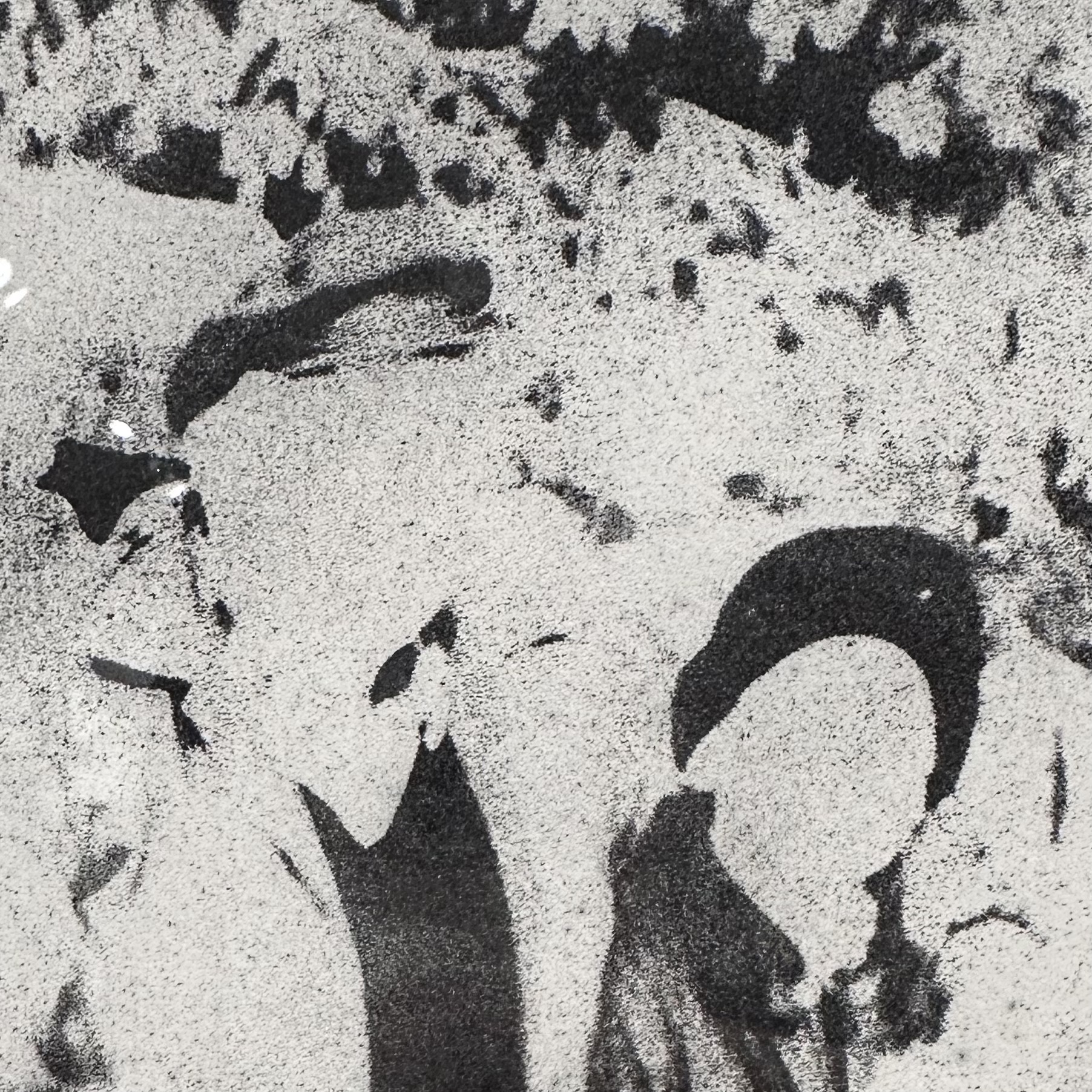
She is rendered in the sparest possible combination of marks that still read as woman — not decorative woman, not generic woman — a very specific woman. If you isolate the marks, they barely resemble features at all. A dash of yellow. A bruise of purple. A swipe of white. Loose. Disparate. A little unruly. By all logic, she shouldn’t cohere.
And yet she does.
Her gaze follows you — not theatrically, not dramatically — just enough to make you aware of yourself standing there. The sum of her parts shouldn’t produce someone so captivating. But they do. And I love her for it.
That’s the moment I’m talking about. When your brain says, “This isn’t technically what I like,” and your body says, “Oooh, but it is.”
This isn’t about buying something flashy so guests gasp. It isn’t about shock value. It isn’t about performing edginess at dinner. It’s about the moment your taste slips past your self-concept.
Most people collect to reinforce what they already know about themselves. Like buying a beach scene because you like the beach. Or a skyline because you love your city. It’s tidy. It confirms the story. If you want to see your city’s skyline, drive downtown. That little hit of “joy” you feel is really just the comfort of recognition.
Learning how to collect art well means resisting the urge to only confirm what you already believe about yourself.
When something unsettles you and attracts you at the same time, that’s different. You think you prefer restraint until you’re mesmerized by something wild. You think you’re strictly abstract until a face won’t let you go. You think you’ve categorized yourself, and then art bugs the operating system.
Those are the works that matter. Not because they’re loud. Not because they’re rebellious. But because they reveal that you — like Shrek and Donkey, and anyone with depth — are more layered than your stated preferences.
I love when couples look at each other and say, “I’m surprised you like that.” Good. Let the surprise stand.
If your collection only reflects your most polished, socially legible self, it will be cohesive. It will also be stagnant. The interesting collections contain contradictions. They contain revisions. They contain moments where you were willing to be wrong.
Serious collections contain evidence of change.
When your taste misbehaves, don’t correct it.
Pay attention.
Build something worth living with.

What To Do When You Don't Know What You're Looking At
Casey Monda
How to look at art
There is a particular kind of pause that happens when you stand in front of a work in a gallery or museum and wait for something to happen.
You expect a reaction. A pull. A feeling that confirms you understand what you’re seeing.
And when nothing arrives, it can feel faintly embarrassing. As though the work has spoken and you simply didn’t hear it. Or worse, as though everyone else in the room is having a profound experience and you are just standing there.
Early on, I assumed that if I didn’t feel something quickly, the work wasn’t for me. I would move on. Or I would decide that I simply didn’t “get it,” which felt like a polite way of saying the problem was probably me.
But the blankness isn’t a failure. It’s simply your mind encountering something it does not yet recognize.
I have had clients return to works years later and wonder why they passed them up the first time. Usually, the work did not change. Their taste did.
Instead of escaping that pause, treat it as the beginning.
When you don’t know what you’re looking at, use this sequence — the same one I use in advisory sessions and workshops.
1. Start anywhere.
There is no correct beginning. You do not need to move left to right or understand the exhibition thesis before you look.
Start with the work that catches your eye first, even if you do not know why. Let your eye guide you — toward a color, a shape, a surface, or something you cannot yet name.
2. Look before you read.
I never begin with the wall text.
Until I have formed an image in my own mind, the language can feel abstract and distancing. Words about art without an internal image to anchor them can cause you to borrow someone else’s interpretation before forming your own.
Spend longer than feels comfortable simply looking. Notice where your eye moves. Notice where it lingers.
After you have formed a few questions, then read. Then ask the gallerist. Context is most useful when it answers something you have already begun to wonder about.
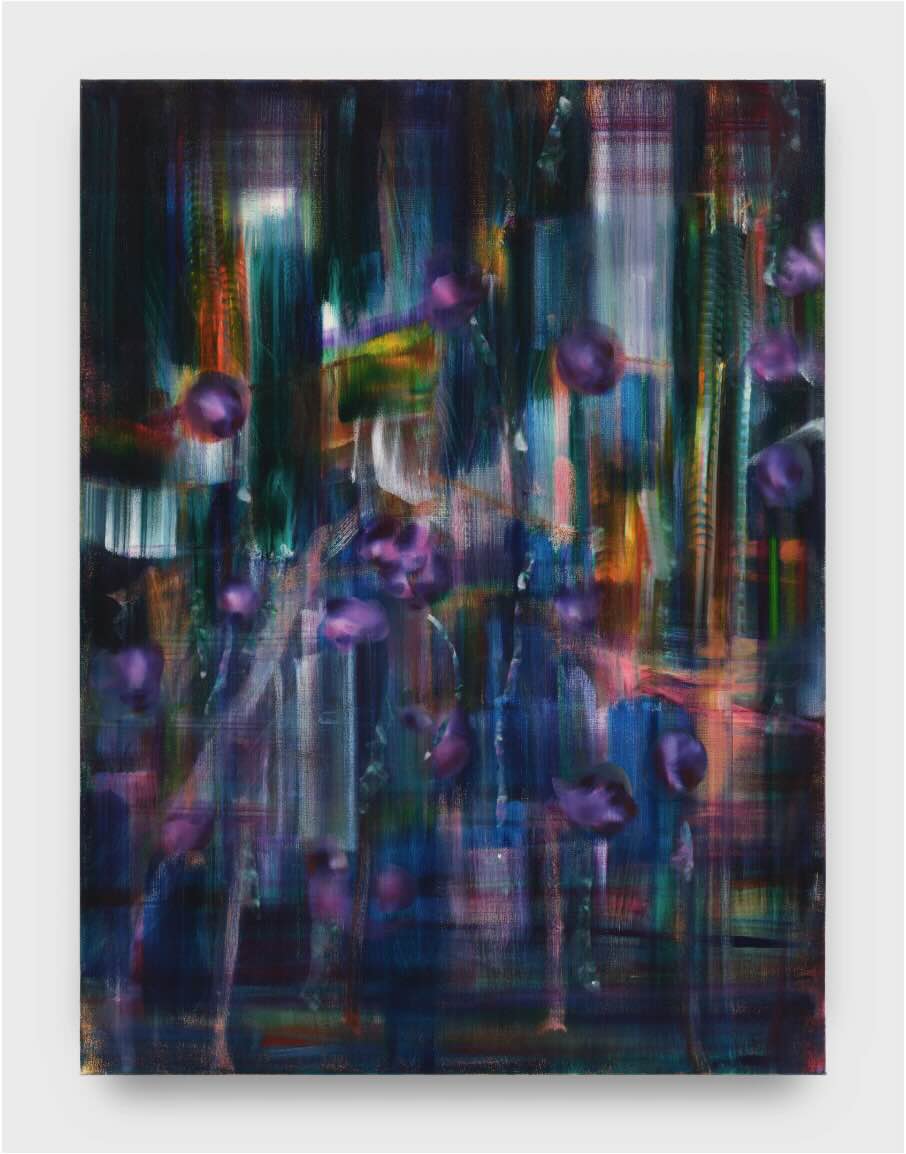
Here’s a new addition to The Collection that would be a great place to test your technique.
3. Notice when you are thinking about yourself.
Often, nothing is landing because we are not actually looking at the work. We are monitoring ourselves.
Am I getting this?
Do I look like I understand?
Is there a correct facial expression for contemporary abstraction?
That self-consciousness crowds out attention. Shift your focus back to the object.
4. Form a question, not a conclusion.
You do not need to decide whether you like it.
Instead, ask one question.
Why this scale?
Why this color?
Why does this feel restrained or chaotic?
Certainty ends looking. Curiosity extends it.
5. Leave and come back.
Walk the room. Look at other work. Then return.
If you find yourself pulled back toward it later, that is information. If it fades completely, that is information too.
As I have said before, taste develops through return, not reaction.
Much of my advisory work is built on this structure. First, I observe how a client looks. Then I present work without explanation. Only after they have formed their own response do we layer in context and return.
Discernment is built through repetition, not reaction.
The Collection exists to give you that repetition without pressure.
New work has been added this week. Start anywhere. Then come back.

When Familiarity Starts To Feel Like Taste
Casey Monda
Liking something often feels instinctual. We are used to trusting that initial response, the quick pull toward an image, a style, a color, or a form. It can feel personal, even intimate, as though it arrives fully formed from somewhere deep inside us.
But lately, I have found myself questioning where those snap reactions come from. I wonder whether they are truly guided by quieter, more intuitive parts of us, or whether they are shaped by the steady repetition of what we see every day.
When we encounter something over and over again, familiarity can begin to feel like taste. What once stood out starts to feel comfortable. What felt neutral begins to seem right. Eventually, it becomes surprisingly easy to confuse what we have been repeatedly shown with what we have actually chosen.
This is not a failure of taste. It is simply what happens when we live inside visual environments such as feeds, stores, rooms, and images that reinforce what is already familiar. Repetition smooths edges. It lowers resistance. It rewards recognition. Before we realize it, our sense of what we like can feel less discovered and more inherited.
The question I keep coming back to is this: how do we tell the difference?
How do we know whether we genuinely like something, or whether we have just seen it often enough that it now feels like ours?
There is an important distinction between choosing to return to something again and again because it continues to hold your attention, and passively absorbing something because it keeps being placed in front of you. Passive exposure is how trends form. When we see the same beige bouclé couch enough times, it can start to feel like the obvious choice for a living room. This is not necessarily because it reflects who we are, but because our brains have grown used to it.
When it comes to furniture, following a trend can be harmless, even practical. Art operates differently. Choosing art is not just about filling space or keeping pace. It has the capacity to shape how a home feels over time.
Art is one of the few elements in a home that can resist trendiness rather than reinforce it. When we allow familiar patterns to guide art choices, the emotional depth and specificity that make a space feel truly personal can slowly flatten into sameness. Add to that the pressure to have a finished, Pinterest worthy home as quickly as possible, and it becomes easy to make decisions aimed at completion rather than connection.
Taste, I have come to believe, develops through sustained attention, not through repeat exposure. When I talk about taste here, I am not referring to choosing a single favorite work in a room. Taste is not a momentary preference. It is the pattern that emerges over time. Individual selections are expressions of taste. Taste itself is the underlying orientation that quietly shapes those selections.
If you want to experiment with this in real time, try visiting a museum or gallery and giving yourself a loose structure. Walk through once without reading anything. Simply register what catches your eye, even if you do not understand why. Resist the urge to decide which work is “best.” Spend time with what draws you before reading the wall text. Then move through the room again and notice what shifts. Pay attention not only to what you return to, but to what qualities those works share. Over time, those recurring characteristics begin to sketch the outline of your taste.
A museum or gallery is one way to practice this. The Collection is another kind of space entirely — where works are gathered without urgency, organized intentionally, and can be revisited over time. It was built to support that kind of sustained looking before acquisition.
Familiarity can be persuasive. But so can the quiet pull of something that does not fit neatly into the story you have been telling about your own taste. The difference becomes clearer when you give yourself space to return.
New work has been added to The Collection this week — a structured place to compare, revisit, and decide thoughtfully before committing.
Learning to notice that difference is only the beginning. What we do with that recognition is where taste truly starts to take shape.
What Changes When You Return to a Work of Art
Casey Monda
Why returning to art over time reveals more than first impressions
There’s a lot of pressure to decide quickly.
Every day, we’re asked—implicitly or explicitly—to sort what we see into simple categories: interesting or not, worth our time or easy to ignore. It’s a necessary instinct. Without it, we’d be overwhelmed. But it’s also a loud one. And when that voice is the only one we listen to, it ends up making most of the decisions about how we spend our attention.
I’ve noticed this shift even within my own lifetime. The pace at which images move through our lives has sped up, and with it, the expectation that we’ll know immediately how we feel. We’re encouraged to trust first reactions and move on as soon as something has registered one way or another.
In the habit of scrolling until something grabs us, it’s easy to miss what happens when nothing does—when we don’t give ourselves much time to sit with what we’re seeing. Over time, that habit can quietly narrow our attention, reinforcing familiar responses and leaving little room for anything that asks more of us.
When we rely only on quick judgments, we also lose the opportunity for chosen repetition. Not all repetition works the same way—being shown something over and over isn’t the same as choosing to return to it.
I realized this most clearly through a piece I own.
When I was deciding whether or not to buy it, the gallerist said something that stayed with me: “I love my piece by Lydia Baker. I can’t imagine not living with it.” At the time, I didn’t fully understand what she meant. I liked the work, but I didn’t yet have language for why it mattered.
The piece itself didn’t align neatly with what I thought of as my taste. On the surface, it reflects a vision of a female utopia by a lesbian artist—work that I might not have expected to resonate with me in a lasting way. And yet, living with it over time changed my understanding entirely.
What I came to realize is that my connection to the work had little to do with identity categories or politics. It spoke instead to something quieter and more personal: a longing for community, for a place where I feel seen, heard, and understood. Over time, the work became a visual expression of that need—one I hadn’t been able to articulate at the moment of decision.
Now, I understand what the gallerist meant. I can’t imagine living without this piece, not because it impressed me immediately, but because of what it revealed to me slowly.
I’ve been thinking about what changes when you see a work of art more than once. Not just twice, but over time. When a work doesn’t announce itself immediately, when it doesn’t try very hard to be impressive, but instead lingers somewhere in your mind and waits.
The first time you encounter something, your reaction is often about recognition. Does this look familiar? Does it fit into a category I already understand? Is it easy to place? Those judgments happen quickly, almost automatically.
But when you return—whether days later, weeks later, or simply in memory—something else starts to surface. The urgency to decide fades. The part of you that wants to label and sort quiets down. In that space, a different kind of response can emerge.
I’ve noticed that my second and third encounters with a work are usually more revealing than my first. Not because the work has changed, but because I have. My mood is different. My expectations are lower. I’m less interested in being right about it.
Sometimes that means a work I initially dismissed starts to feel familiar in a way that’s hard to name. Other times, something that felt exciting at first slowly loses its grip. Both outcomes matter. Both help clarify what actually holds your attention once the noise of first impressions fades.
Repetition does something subtle but important: it shifts the internal conversation. Instead of letting immediate judgment lead, it gives space to a quieter voice—the one that isn’t trying to keep up or make a decision on the spot. That voice is harder to hear at first. It doesn’t rush. It takes time.
This is true well beyond art. The things that end up mattering most to us are rarely the ones that make the strongest first impression. They’re often the things we return to, the ones that stay somewhere in the background of our thinking even when nothing is asking for our attention.
When it comes to art, returning creates room for curiosity. You begin to notice details you missed. The question shifts from whether you like something to why it’s still on your mind. Attention replaces judgment.
I don’t think certainty is the goal here. I think familiarity is. Spending time with something allows your response to settle, to feel less reactive and more grounded. Over time, preferences develop not through declaration, but through contact.
It’s why I pay attention to what I return to—and just as importantly, what I don’t. Over time, those patterns say far more about what belongs in my life than any single reaction ever could.
I updated The Collection this week, creating space to notice what’s new and return to what’s stayed with you.