

When Your Taste Misbehaves
All Access
How to Collect Art Beyond Safe Choices
If you only collect what you immediately understand, your art will never surprise you. And frankly, my dear, that’s boring.
Last year I bought a painting I had already rejected. Preview PDF. Quick scroll. “I know this artist.” Pass. And then I see it again, and it refused to cooperate with my previous opinion.
She is rendered in the sparest possible combination of marks that still read as woman — not decorative woman, not generic woman — a very specific woman. If you isolate the marks, they barely resemble features at all. A dash of yellow. A bruise of purple. A swipe of white. Loose. Disparate. A little unruly. By all logic, she shouldn’t cohere.
And yet she does.
Her gaze follows you — not theatrically, not dramatically — just enough to make you aware of yourself standing there. The sum of her parts shouldn’t produce someone so captivating. But they do. And I love her for it.
That’s the moment I’m talking about. When your brain says, “This isn’t technically what I like,” and your body says, “Oooh, but it is.”
This isn’t about buying something flashy so guests gasp. It isn’t about shock value. It isn’t about performing edginess at dinner. It’s about the moment your taste slips past your self-concept.
Most people collect to reinforce what they already know about themselves. Like buying a beach scene because you like the beach. Or a skyline because you love your city. It’s tidy. It confirms the story. If you want to see your city’s skyline, drive downtown. That little hit of “joy” you feel is really just the comfort of recognition.
Learning how to collect art well means resisting the urge to only confirm what you already believe about yourself.
When something unsettles you and attracts you at the same time, that’s different. You think you prefer restraint until you’re mesmerized by something wild. You think you’re strictly abstract until a face won’t let you go. You think you’ve categorized yourself, and then art bugs the operating system.
Those are the works that matter. Not because they’re loud. Not because they’re rebellious. But because they reveal that you — like Shrek and Donkey, and anyone with depth — are more layered than your stated preferences.
I love when couples look at each other and say, “I’m surprised you like that.” Good. Let the surprise stand.
If your collection only reflects your most polished, socially legible self, it will be cohesive. It will also be stagnant. The interesting collections contain contradictions. They contain revisions. They contain moments where you were willing to be wrong.
Serious collections contain evidence of change.
When your taste misbehaves, don’t correct it.
Pay attention.
Build something worth living with.


What To Do When You Don't Know What You're Looking At
All Access
How to look at art
There is a particular kind of pause that happens when you stand in front of a work in a gallery or museum and wait for something to happen.
You expect a reaction. A pull. A feeling that confirms you understand what you’re seeing.
And when nothing arrives, it can feel faintly embarrassing. As though the work has spoken and you simply didn’t hear it. Or worse, as though everyone else in the room is having a profound experience and you are just standing there.
Early on, I assumed that if I didn’t feel something quickly, the work wasn’t for me. I would move on. Or I would decide that I simply didn’t “get it,” which felt like a polite way of saying the problem was probably me.
But the blankness isn’t a failure. It’s simply your mind encountering something it does not yet recognize.
I have had clients return to works years later and wonder why they passed them up the first time. Usually, the work did not change. Their taste did.
Instead of escaping that pause, treat it as the beginning.
When you don’t know what you’re looking at, use this sequence — the same one I use in advisory sessions and workshops.
1. Start anywhere.
There is no correct beginning. You do not need to move left to right or understand the exhibition thesis before you look.
Start with the work that catches your eye first, even if you do not know why. Let your eye guide you — toward a color, a shape, a surface, or something you cannot yet name.
2. Look before you read.
I never begin with the wall text.
Until I have formed an image in my own mind, the language can feel abstract and distancing. Words about art without an internal image to anchor them can cause you to borrow someone else’s interpretation before forming your own.
Spend longer than feels comfortable simply looking. Notice where your eye moves. Notice where it lingers.
After you have formed a few questions, then read. Then ask the gallerist. Context is most useful when it answers something you have already begun to wonder about.
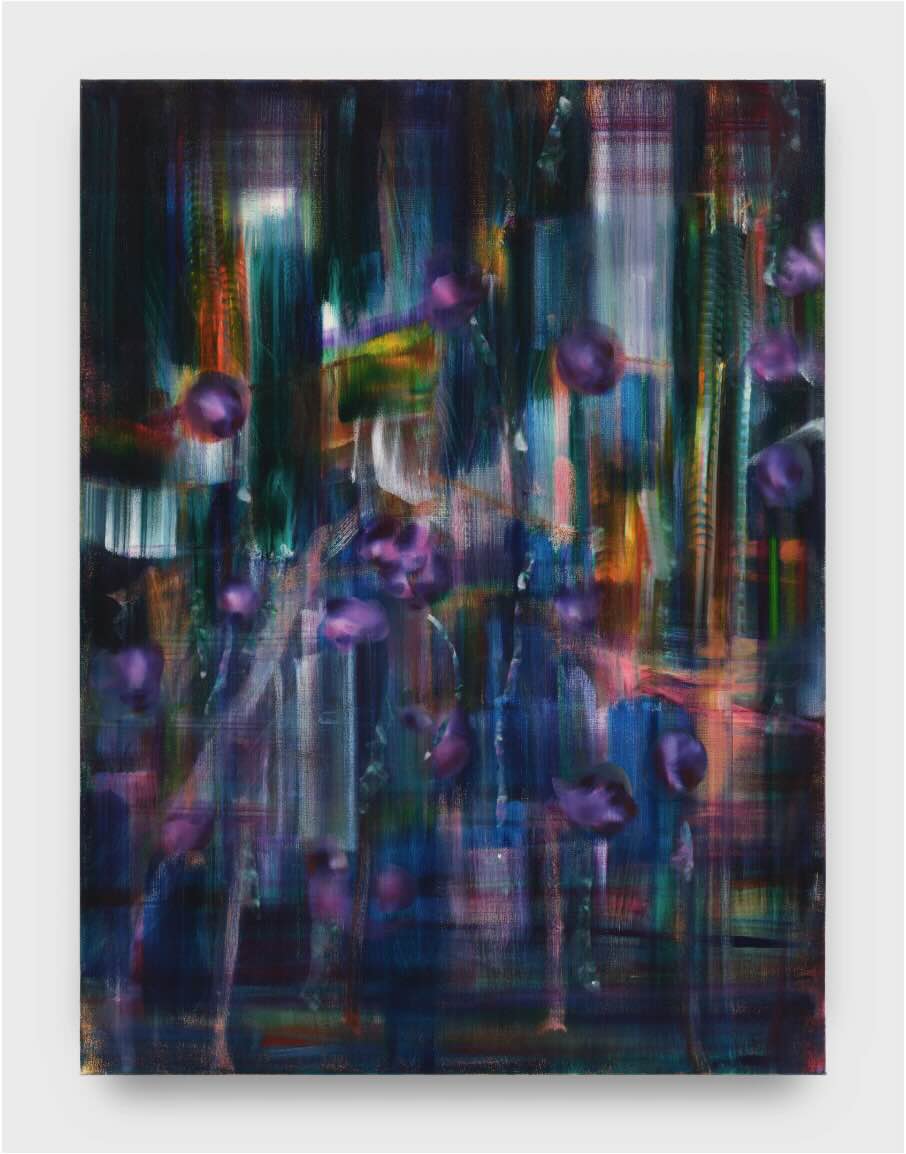
Here’s a new addition to The Collection that would be a great place to test your technique.
3. Notice when you are thinking about yourself.
Often, nothing is landing because we are not actually looking at the work. We are monitoring ourselves.
Am I getting this?
Do I look like I understand?
Is there a correct facial expression for contemporary abstraction?
That self-consciousness crowds out attention. Shift your focus back to the object.
4. Form a question, not a conclusion.
You do not need to decide whether you like it.
Instead, ask one question.
Why this scale?
Why this color?
Why does this feel restrained or chaotic?
Certainty ends looking. Curiosity extends it.
5. Leave and come back.
Walk the room. Look at other work. Then return.
If you find yourself pulled back toward it later, that is information. If it fades completely, that is information too.
As I have said before, taste develops through return, not reaction.
Much of my advisory work is built on this structure. First, I observe how a client looks. Then I present work without explanation. Only after they have formed their own response do we layer in context and return.
Discernment is built through repetition, not reaction.
The Collection exists to give you that repetition without pressure.
New work has been added this week. Start anywhere. Then come back.

When Familiarity Starts To Feel Like Taste
All Access
Liking something often feels instinctual. We are used to trusting that initial response, the quick pull toward an image, a style, a color, or a form. It can feel personal, even intimate, as though it arrives fully formed from somewhere deep inside us.
But lately, I have found myself questioning where those snap reactions come from. I wonder whether they are truly guided by quieter, more intuitive parts of us, or whether they are shaped by the steady repetition of what we see every day.
When we encounter something over and over again, familiarity can begin to feel like taste. What once stood out starts to feel comfortable. What felt neutral begins to seem right. Eventually, it becomes surprisingly easy to confuse what we have been repeatedly shown with what we have actually chosen.
This is not a failure of taste. It is simply what happens when we live inside visual environments such as feeds, stores, rooms, and images that reinforce what is already familiar. Repetition smooths edges. It lowers resistance. It rewards recognition. Before we realize it, our sense of what we like can feel less discovered and more inherited.
The question I keep coming back to is this: how do we tell the difference?
How do we know whether we genuinely like something, or whether we have just seen it often enough that it now feels like ours?
There is an important distinction between choosing to return to something again and again because it continues to hold your attention, and passively absorbing something because it keeps being placed in front of you. Passive exposure is how trends form. When we see the same beige bouclé couch enough times, it can start to feel like the obvious choice for a living room. This is not necessarily because it reflects who we are, but because our brains have grown used to it.
When it comes to furniture, following a trend can be harmless, even practical. Art operates differently. Choosing art is not just about filling space or keeping pace. It has the capacity to shape how a home feels over time.
Art is one of the few elements in a home that can resist trendiness rather than reinforce it. When we allow familiar patterns to guide art choices, the emotional depth and specificity that make a space feel truly personal can slowly flatten into sameness. Add to that the pressure to have a finished, Pinterest worthy home as quickly as possible, and it becomes easy to make decisions aimed at completion rather than connection.
Taste, I have come to believe, develops through sustained attention, not through repeat exposure. When I talk about taste here, I am not referring to choosing a single favorite work in a room. Taste is not a momentary preference. It is the pattern that emerges over time. Individual selections are expressions of taste. Taste itself is the underlying orientation that quietly shapes those selections.
If you want to experiment with this in real time, try visiting a museum or gallery and giving yourself a loose structure. Walk through once without reading anything. Simply register what catches your eye, even if you do not understand why. Resist the urge to decide which work is “best.” Spend time with what draws you before reading the wall text. Then move through the room again and notice what shifts. Pay attention not only to what you return to, but to what qualities those works share. Over time, those recurring characteristics begin to sketch the outline of your taste.
A museum or gallery is one way to practice this. The Collection is another kind of space entirely — where works are gathered without urgency, organized intentionally, and can be revisited over time. It was built to support that kind of sustained looking before acquisition.
Familiarity can be persuasive. But so can the quiet pull of something that does not fit neatly into the story you have been telling about your own taste. The difference becomes clearer when you give yourself space to return.
New work has been added to The Collection this week — a structured place to compare, revisit, and decide thoughtfully before committing.
Learning to notice that difference is only the beginning. What we do with that recognition is where taste truly starts to take shape.
What Changes When You Return to a Work of Art
All Access
Why returning to art over time reveals more than first impressions
There’s a lot of pressure to decide quickly.
Every day, we’re asked—implicitly or explicitly—to sort what we see into simple categories: interesting or not, worth our time or easy to ignore. It’s a necessary instinct. Without it, we’d be overwhelmed. But it’s also a loud one. And when that voice is the only one we listen to, it ends up making most of the decisions about how we spend our attention.
I’ve noticed this shift even within my own lifetime. The pace at which images move through our lives has sped up, and with it, the expectation that we’ll know immediately how we feel. We’re encouraged to trust first reactions and move on as soon as something has registered one way or another.
In the habit of scrolling until something grabs us, it’s easy to miss what happens when nothing does—when we don’t give ourselves much time to sit with what we’re seeing. Over time, that habit can quietly narrow our attention, reinforcing familiar responses and leaving little room for anything that asks more of us.
When we rely only on quick judgments, we also lose the opportunity for chosen repetition. Not all repetition works the same way—being shown something over and over isn’t the same as choosing to return to it.
I realized this most clearly through a piece I own.
When I was deciding whether or not to buy it, the gallerist said something that stayed with me: “I love my piece by Lydia Baker. I can’t imagine not living with it.” At the time, I didn’t fully understand what she meant. I liked the work, but I didn’t yet have language for why it mattered.
The piece itself didn’t align neatly with what I thought of as my taste. On the surface, it reflects a vision of a female utopia by a lesbian artist—work that I might not have expected to resonate with me in a lasting way. And yet, living with it over time changed my understanding entirely.
What I came to realize is that my connection to the work had little to do with identity categories or politics. It spoke instead to something quieter and more personal: a longing for community, for a place where I feel seen, heard, and understood. Over time, the work became a visual expression of that need—one I hadn’t been able to articulate at the moment of decision.
Now, I understand what the gallerist meant. I can’t imagine living without this piece, not because it impressed me immediately, but because of what it revealed to me slowly.
I’ve been thinking about what changes when you see a work of art more than once. Not just twice, but over time. When a work doesn’t announce itself immediately, when it doesn’t try very hard to be impressive, but instead lingers somewhere in your mind and waits.
The first time you encounter something, your reaction is often about recognition. Does this look familiar? Does it fit into a category I already understand? Is it easy to place? Those judgments happen quickly, almost automatically.
But when you return—whether days later, weeks later, or simply in memory—something else starts to surface. The urgency to decide fades. The part of you that wants to label and sort quiets down. In that space, a different kind of response can emerge.
I’ve noticed that my second and third encounters with a work are usually more revealing than my first. Not because the work has changed, but because I have. My mood is different. My expectations are lower. I’m less interested in being right about it.
Sometimes that means a work I initially dismissed starts to feel familiar in a way that’s hard to name. Other times, something that felt exciting at first slowly loses its grip. Both outcomes matter. Both help clarify what actually holds your attention once the noise of first impressions fades.
Repetition does something subtle but important: it shifts the internal conversation. Instead of letting immediate judgment lead, it gives space to a quieter voice—the one that isn’t trying to keep up or make a decision on the spot. That voice is harder to hear at first. It doesn’t rush. It takes time.
This is true well beyond art. The things that end up mattering most to us are rarely the ones that make the strongest first impression. They’re often the things we return to, the ones that stay somewhere in the background of our thinking even when nothing is asking for our attention.
When it comes to art, returning creates room for curiosity. You begin to notice details you missed. The question shifts from whether you like something to why it’s still on your mind. Attention replaces judgment.
I don’t think certainty is the goal here. I think familiarity is. Spending time with something allows your response to settle, to feel less reactive and more grounded. Over time, preferences develop not through declaration, but through contact.
It’s why I pay attention to what I return to—and just as importantly, what I don’t. Over time, those patterns say far more about what belongs in my life than any single reaction ever could.
I updated The Collection this week, creating space to notice what’s new and return to what’s stayed with you.
When Art Becomes a Means of Movement
All Access
Contemporary painters to know and live with
The artists in Art Drop #11 come from all over the globe and look about as different as three artists can; but what connects them is a shared sense of movement, and their ability to propel a viewer from one place to another simply by existing in a space.
Each week, I publish an Art Drop when new works are added to The Collection. This post offers the editorial context behind that update—how I’m thinking about the artists, and how their work shows up in a lived space.
This week, I’m leaving the images to The Collection—and focusing here on how the work feels, rather than how it looks.
First up is William Schaeuble, an Iowa- and Illinois-based painter whose work initially reads as familiar, even childlike: quiet scenes, Midwestern settings, images that feel almost disarmingly naïve. Spend more time with William Schaeuble’s paintings, though, and that surface simplicity begins to give way. His paintings hold a tension between what looks ordinary and what feels unresolved, inviting you to return to them again and again.
Even though the American experience sits at the core of Schaeuble’s practice, he invites viewers from anywhere to examine their own cultural experiences—and to question what they assume to be universal.
You may not be longing to be transported to farmland or cornfields, but there’s something grounding about work that reflects shared cultural memory—images that feel known, even if you can’t quite articulate why. In moments when everything feels noisy and accelerated, that kind of visual steadiness can be surprisingly restorative.
Next is Yi Liu, whose paintings move in the opposite direction—quickly, densely, and with a constant sense of motion. Yi Liu’s paintings are filled with imagery that pulls from both Eastern and Western visual traditions, creating compositions that feel alive with tension and momentum. Bulls chase butterflies. Cranes move beneath willow trees. Your eye never quite settles in one place.
Living between cultures—born in China and now based in London—Yi deploys an East-meets-West iconographic collision that mirrors her lived experience. These are paintings that reward attention and curiosity, revealing new details the longer you sit with them. (For more on this, you might watch this episode of Viewing Rooms where Anne Parke and I discuss this in depth.)
Finally, I want to turn to Kristen Giorgi, an artist I should have include in last week’s post about artists who I have been following for a while and are having a moment. Kristen Giorgi’s paintings employ color and shape in a way that feels immersive rather than descriptive. I often think of them as portals—not to a specific place, but to a state of mind.
There’s a soft yet deliberate magnetism to her work. A sense of warmth, light, and calm draws you in slowly, almost without your even realizing it. These are paintings that don’t demand your attention—but earn it, over time. Once you’ve found your way in, you want to return again and again.
This week, I added new works by each of these artists to The Collection, where I thoughtfully track the artists and specific pieces that stand out to me through my work as an advisor.
If you’re curious to see how these artists translate from idea to object—and how they might live on your walls—you can explore more there.

Second Miami Art Week Recap + Gifting Resources
All Access
Art Drop #08
Are we a little Miami-ed out? Honestly, I’m not trying to cop out of doing a recap of Untitled and ABMB, which were stellar this year, but, full disclosure, I really want you to read my newsletter and I doubt anyone wants to read more about Miami. If you want to hear more about Miami, let’s have coffee or a Zoom to catch up. However, I imagine if you are reading this newsletter, you also follow a myriad other art news sources and have probably heard and seen all you care to about either of these fairs. Of course, I will drop my faves into The Collection for posterity and for you to peruse at your leisure, and I have to say I am particularly enthused about the 10 works I rounded up for today’s drop. The geographical breadth, the age range, the diversity of media–it is a dynamic bunch and I hope you will spend some time getting to know the artists that resonate with you.
But today I’d like to address a far more urgent topic. And that topic is what you are giving everybody on your gift list. We are mere days away from needing to wrap it up, folks, literally and figuratively. Let me give your gift-giving juices a boost with an aggregated list of art-related gift guides and online shops where you can find gift-worthy pieces of art and art objects at gift-giving pricepoints.
I will make the one caveat here: a dear client reached out to me before Miami and said he wants to buy his wife a piece of art for Christmas. I was on the hunt especially for her in Miami and just finished putting together a pretty little dossier for him to present to her on Christmas morning. They’ll pow wow and we will convene after the New Year to discuss which artists most resonate. Then we’ll move forward with discovering what is available and what is coming down the pipeline with exhibitions and putting together the strategy for acquisition. With some notice, this is a service I love to provide. Buying art for an SO is a great way to show them how well you know them and how much you’d like to get to know them more deeply.
Obviously, a subscription to Art I Saw & Liked makes the perfect gift for the art lover, the art curious, the artist, the traveller, the culture-lover, the person who has it all, the person who wants to spend less time on social media and more time learning, or even the person who has absolutely no idea that they love and need art. I was chatting with a lawyer a few days ago and telling her about Art I Saw & Liked. She said, “That is so cool. I have absolutely no idea what I like but I would love to see different stuff and be able to save it and watch how my taste changes over time!” AMEN SISTER!!!!!!!
Use code AISAL50 for the perfect gift under $50 and you don’t even have to leave your house! If you less into experiences and more into actual things, here are some great gifty, arty resources for you:
Massey Klein’s Give The Gift of Art Shop
JDJ’s Group Shop to Benefit Artists & Mothers and City Harvest
Chozick Family Art Gallery also benefiting Artists & Mothers and City Harvest
Deanna Evans Projects also benefiting Artists & Mothers and City Harvest
Romer Young’s Holiday Art Gallery
Katy Hessel’s Reading List: It would be fun to put together a book of the month club for the reader and art lover in your life.
More art objects but there is always something fun and funky at the MoMA Design Store
Andrea Myers, a Columbus-based artist I love, designed this beautiful postcard set inspired by the Japanese concept of micro seasons.
A Golsa Golchini print (less expensive) or original (more expensive). I find her work to be cheeky and fun and whimsical.
Hopefully this round up sparks an idea for the perfect gift for all the loved ones on your list! Now get to it! Clock’s a tickin’!
Much love and holiday cheer,
C
Recently Added toThe Collection
Na Kim at Nicola Vassell Gallery (ABMB)
Sergio Sister at Nara Roesler (ABMB)
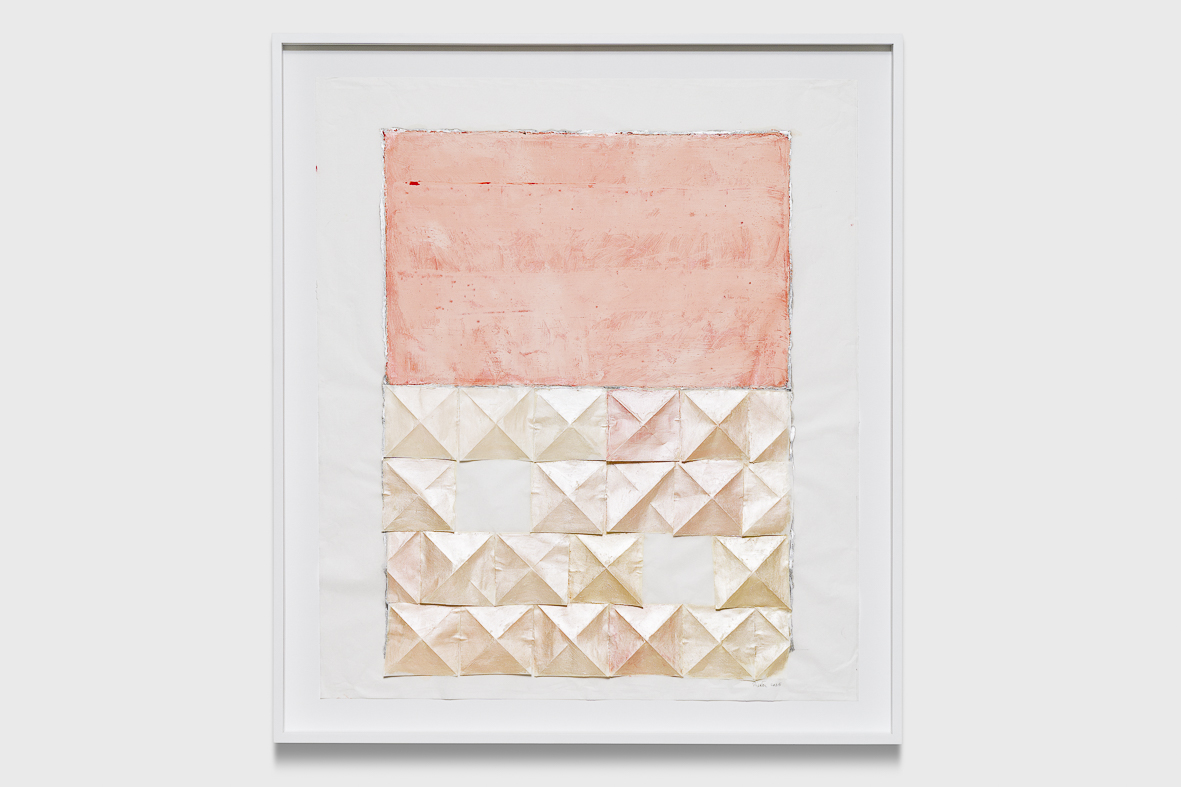
Stephanie Comilang at Daniel Faria Gallery (ABMB)
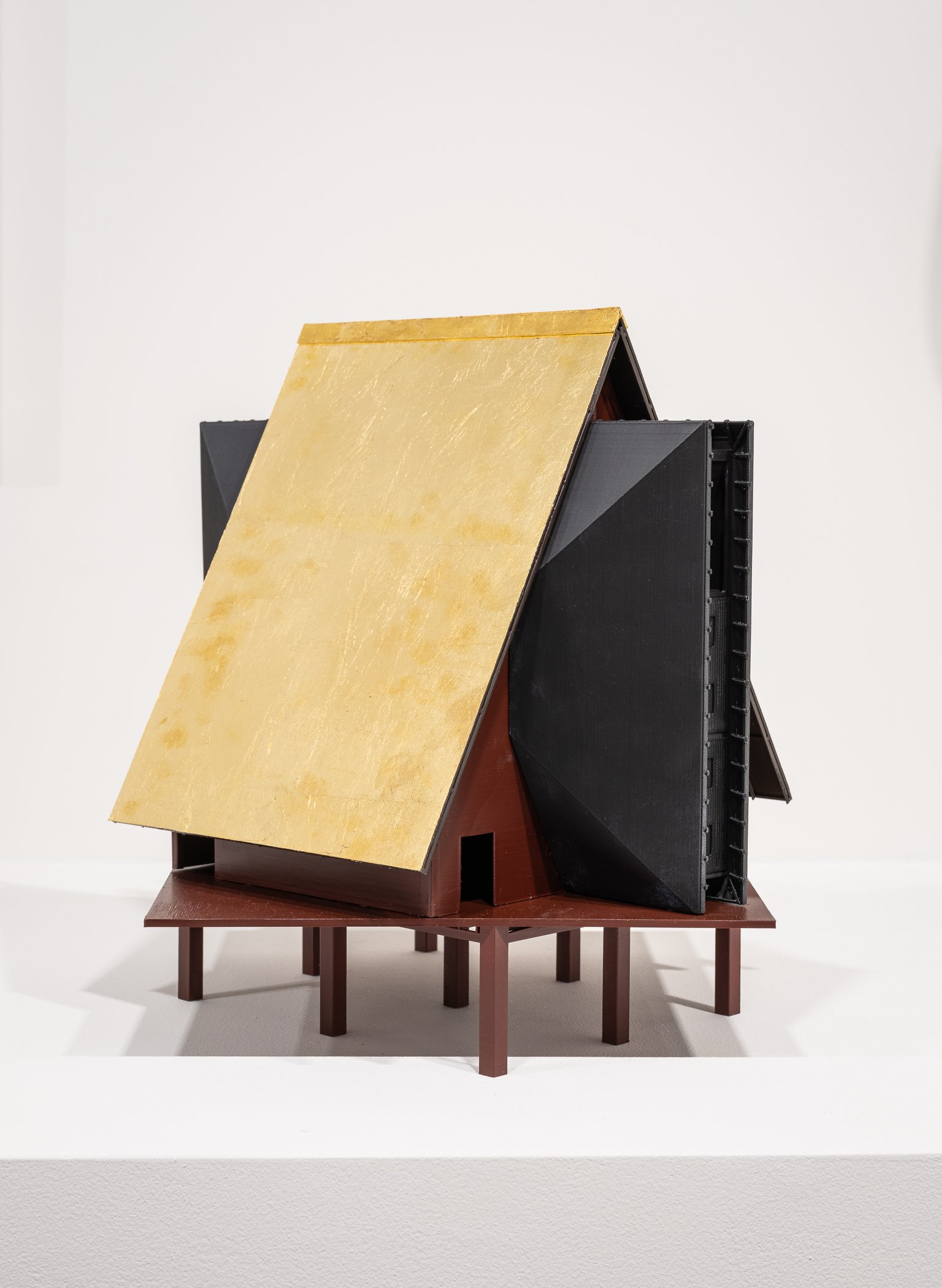
Sofia Bjurström at Richard Heller Gallery (Untitled)
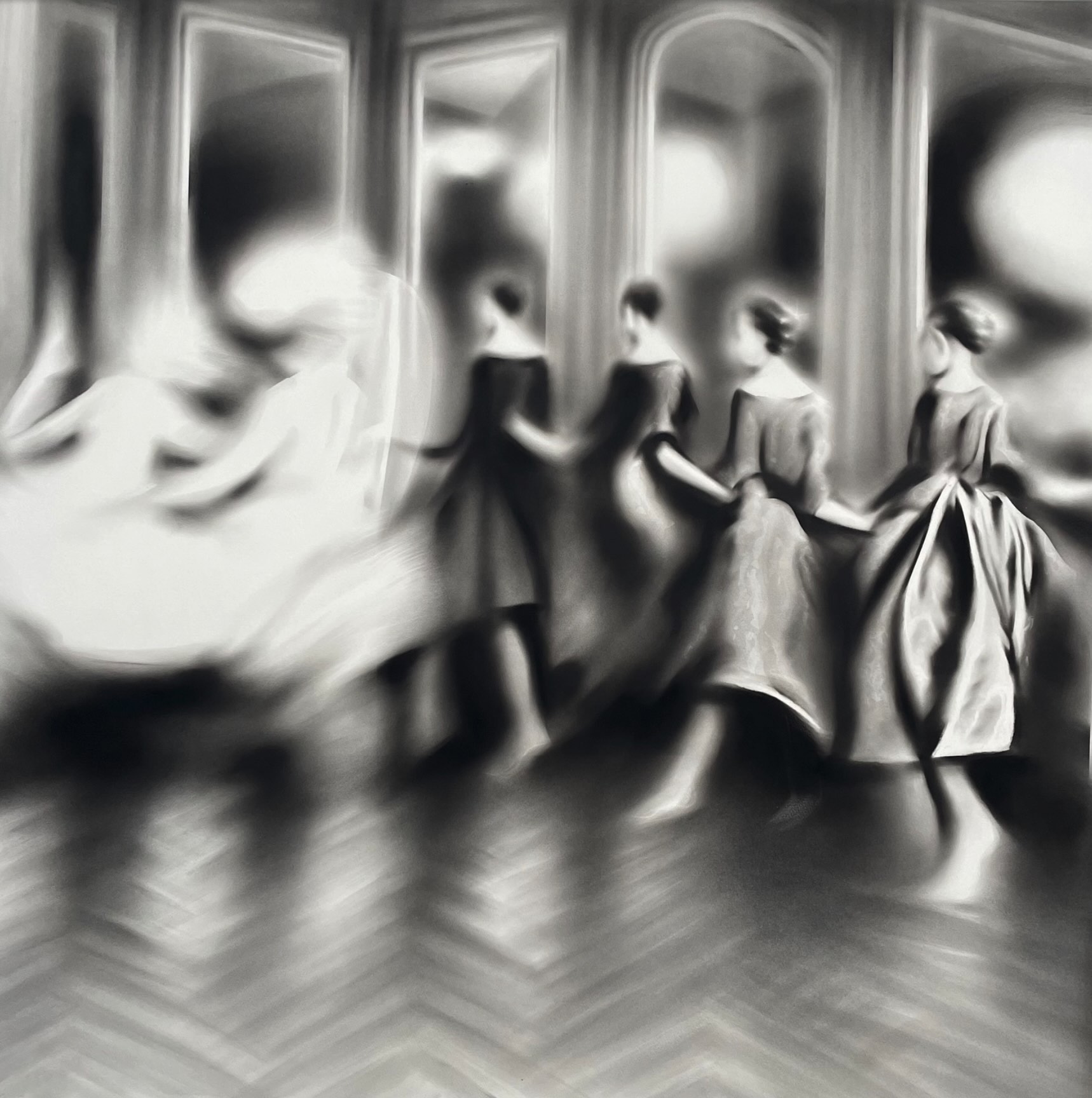
Jordan Sears at IRL Gallery (Untitled)
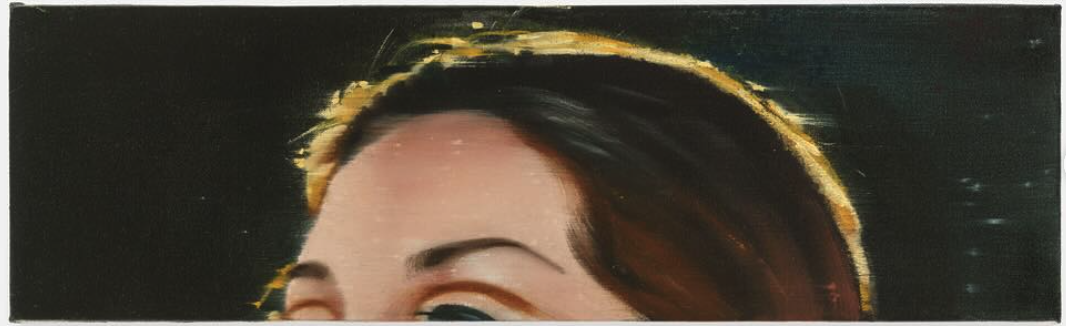
Until Next Week–

Casey Monda | CEO & Art Advisor

First of Several Miami Art Week Recaps: NADA Edition
All Access
Art Drop #07
In case you have been living under a rock or hate culture, Miami Art Week happened this week and I went. Of all the fairs and art weeks I go to throughout the year, this one is the biggest. Art Basel Miami Beach, also known as “the big fair” or ABMB, had close to 300 galleries from around the world touting their wares at the Miami Beach Convention Center. With Untitled and NADA as the two main secondary fairs, there were easily over 500 galleries exhibiting the best contemporary art on offer today.
While I approached the week with cautious optimism, I honestly was not sure what to expect this year. In fact, I almost decided not to go and that was the tune so many fellow advisors sang this week. But it ended up being a fantastic slate of fairs! The material felt fresh (to borrow a phrase from a brilliant colleague). It was just risky enough to be interesting but not so risky that everyone wondered what they were going to do with it. I feel like I saw a lot of artists I’ve been following pushing the boundaries of their practices to new limits and it worked. For me, one of the three fairs is usually a standout, but this year I left all three (plus Design Miami) feeling inspired. Which means…it may take me a couple of weeks to roll out all of my favorites onto the site. So be patient and stay in touch with The Collection over the next couple of weeks. Here is everything I added this week. (Hint: it is not all specifically featured in this article.)
Since all three fairs were a standout, I decided to start my series of recaps with the first fair I attended, NADA, which stands for New Art Dealers Alliance. NADA has a reputation for being a little edgy, a little weird, but generally high quality emerging work. This year was no exception. I saw so much I liked, but keep in mind I am only including work under $15,000 in this recap and in The Collection. There was work that really resonated with me above that pricepoint. If your budget allows and you’re interested, feel free to reach out to me directly for more information. Here are a few key takeaways:
First, as an advisor based in Cleveland, it is really important for me to attend these fairs because it keeps me in sync with what is happening on the global art stage. I’m not talking about the world of auction records and blue chip galleries. I’m talking about artists from around the world at all different price points. I want to know, across the board, what artists are thinking about, what they’re making, and what stories they’re telling. This helps me understand the major arcs of relevancy and keep a pulse on what the legacy of our time might be.
On this front, a key takeaway from the week is that artists feel the universal need we all have to know who we are as individuals and how we fit into the world and connect with others. I had a lot of conversations about how artists are translating the personal, specific, and unique aspects of their own life into a more universal visual vocabulary that might help viewers feel more connected to each other. The work I spent time with felt authentic, honest, vulnerable, and relatable. One of my favorite artists in this vein was new-to-me Mayra vom Brocke at Linse Galeria out of Buenos Aires.
Something else to know about these fairs is that they are a petrie dish for relationship and professional development. 99.9% of the people I work with are outside of Cleveland. The lion’s share of those people are in New York so going to New York several times each year is imperative. But the fairs are the places I get to connect with the galleries I love in Toronto, Montreal, LA, London, Seoul, Argentina, Mexico, etc…in a very efficient way. Not only do I put faces and email addresses together IRL (looking at you Emma Fernberger), but I also get to reinforce existing relationships with some fantastic gallerists. I see new work from artists I already love and discover new-to-me artists to add to my tracker. Case in point: Moskowitz Bayse showing Ryan Flores and Alexa Guariglia. Sage Malecki, the gallerist I spoke with in the booth, even followed up our conversation with a few suggestions for a particularly challenging space that has stumped me for a while. I am so glad to be in touch with them now!
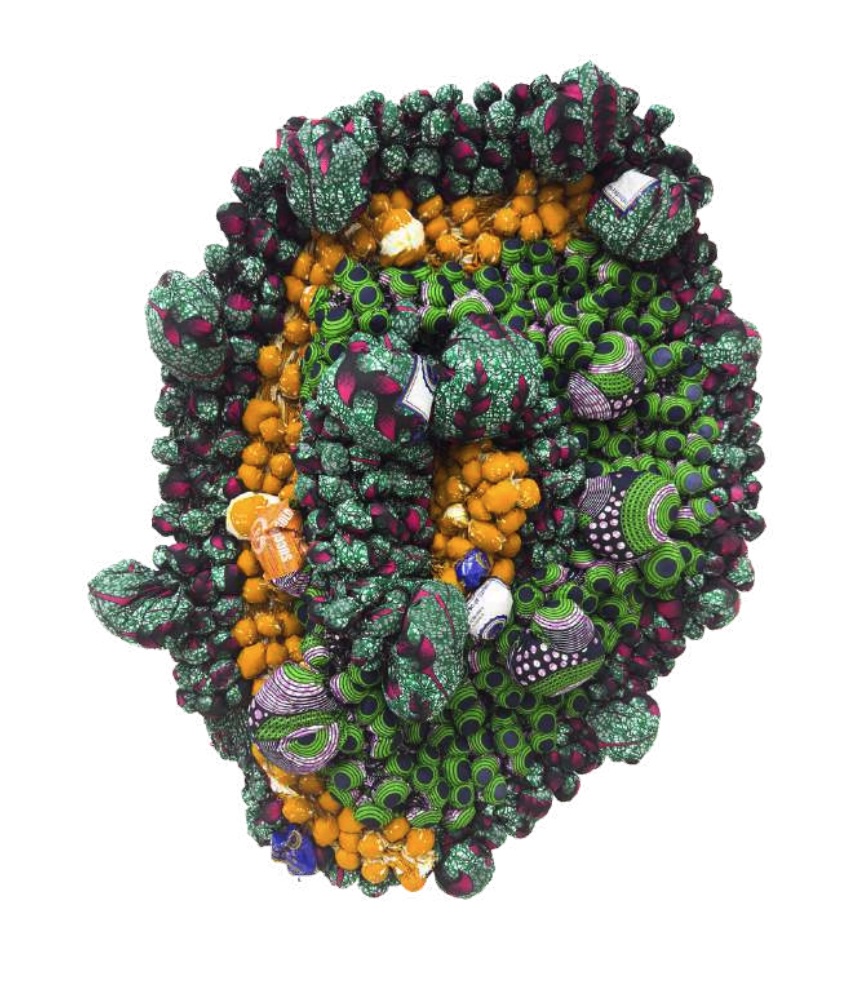
Moreover, Gallery Affinity out of Lagos, Nigeria, another new-to-me gallery, showed two artists I fell in love with as well. The work stopped me in my tracks but Olu’s enthusiasm for his artists kept me hooked. Samuel Nnorom makes these wonderful wall-dependent sculptures out of African wax print fabric. His mother is a fashion designer, which explains the choice of medium, but the sculptures themselves speak to the basic essence of humanity that binds us all together and allows us to live in harmony despite our differences. Lulama Wolf makes abstract paintings of women at rest or at leisure. Bucking the trend to always show African women at work, at the market, raising children, at the hearth, etc…Wolf shows the other side of femininity. She mixes her pigment with sand so the surface texture of these is gritty and rough, in contrast to her supple, sensual shapes.
And finally, the third reason I prioritize fairs in my annual travel schedule is to hone my eye and my taste. Like I said, I encountered over 500 galleries in 2.5 days. To digest that much material, you have to be able to quickly weed out what is not going to be interesting to you. You have to know what you like while remaining open to new discovery. And on that note, I work alone so getting to walk the fairs with other advisors opens up my world a little bit. We stop at booths that might not have caught my attention otherwise. We discuss the work we are seeing and I learn so much from these conversations. It is truly a delight to get out of my little silo and be with art world people who fill my culture cup! A discovery made possible by the knowing eye of Holly Hawkes was Anne Wehrley Björk at Fernberger. (Disclaimer: Anne’s work slightly overreaches our typical $15,000 cap but it is too good not to share.)
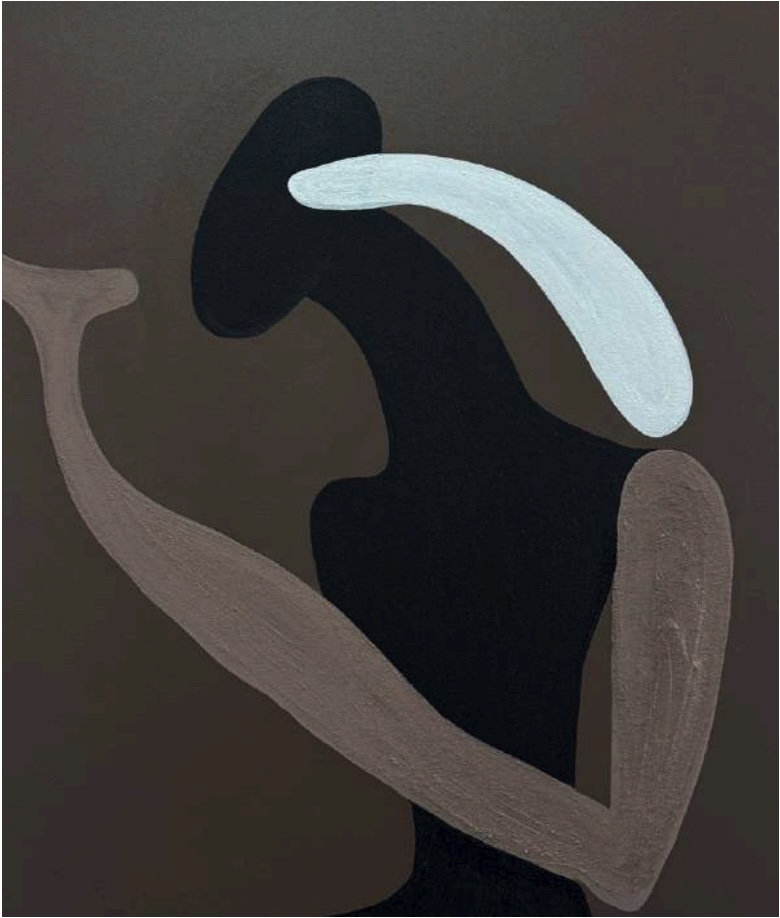
Mayra vom Brocke at Linse Galeria
Gorgeous, delicate paintings of butterflies and moths and the shadows they cast. These paintings speak to individuality, unexpected strength, hidden potential, and subtle beauty.

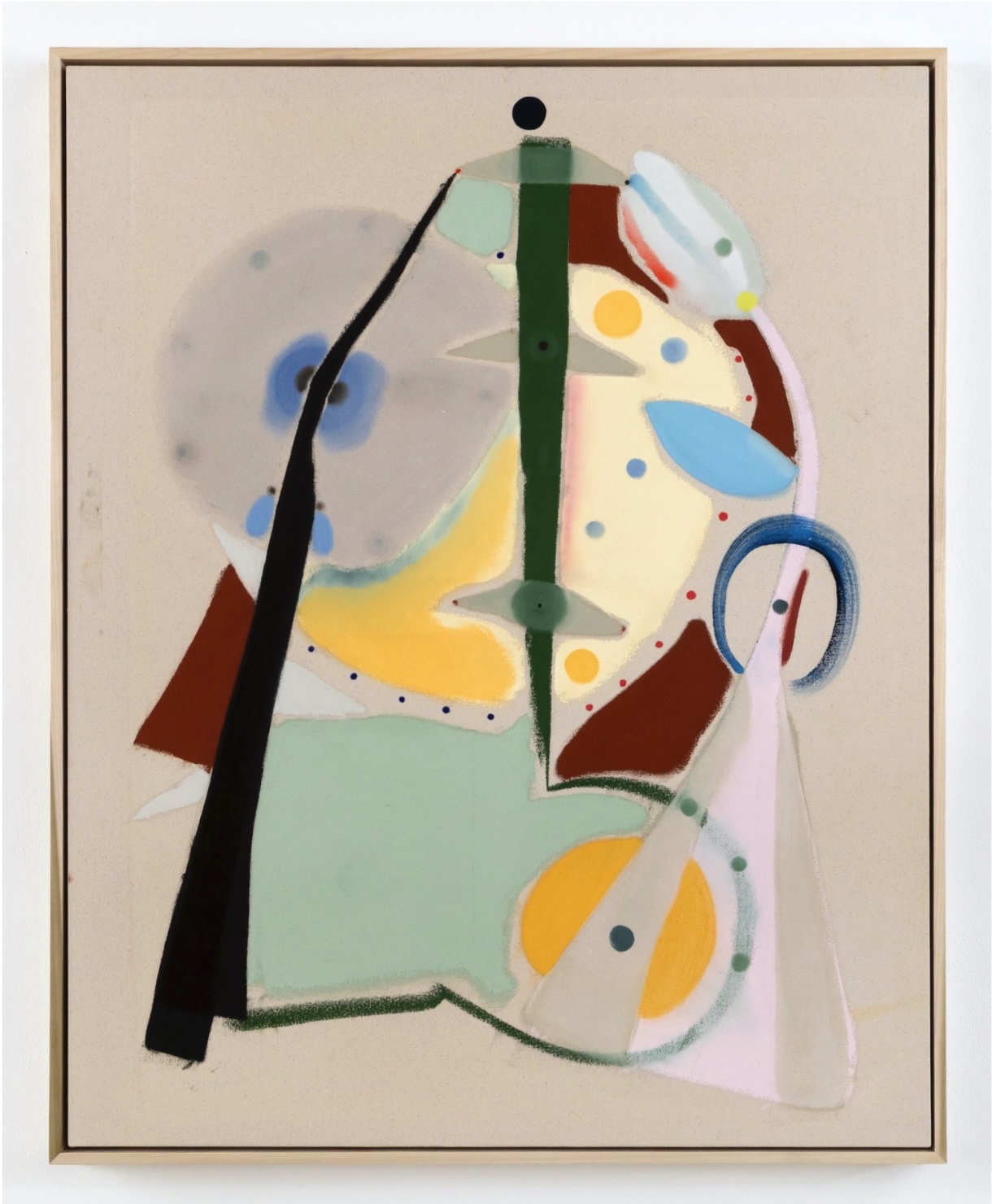
Ryan Flores at Moskowitz Bayse
A ceramicist who makes stunning floral works where painting, glazing, and sculpting are held in equally high esteem in the finished composition
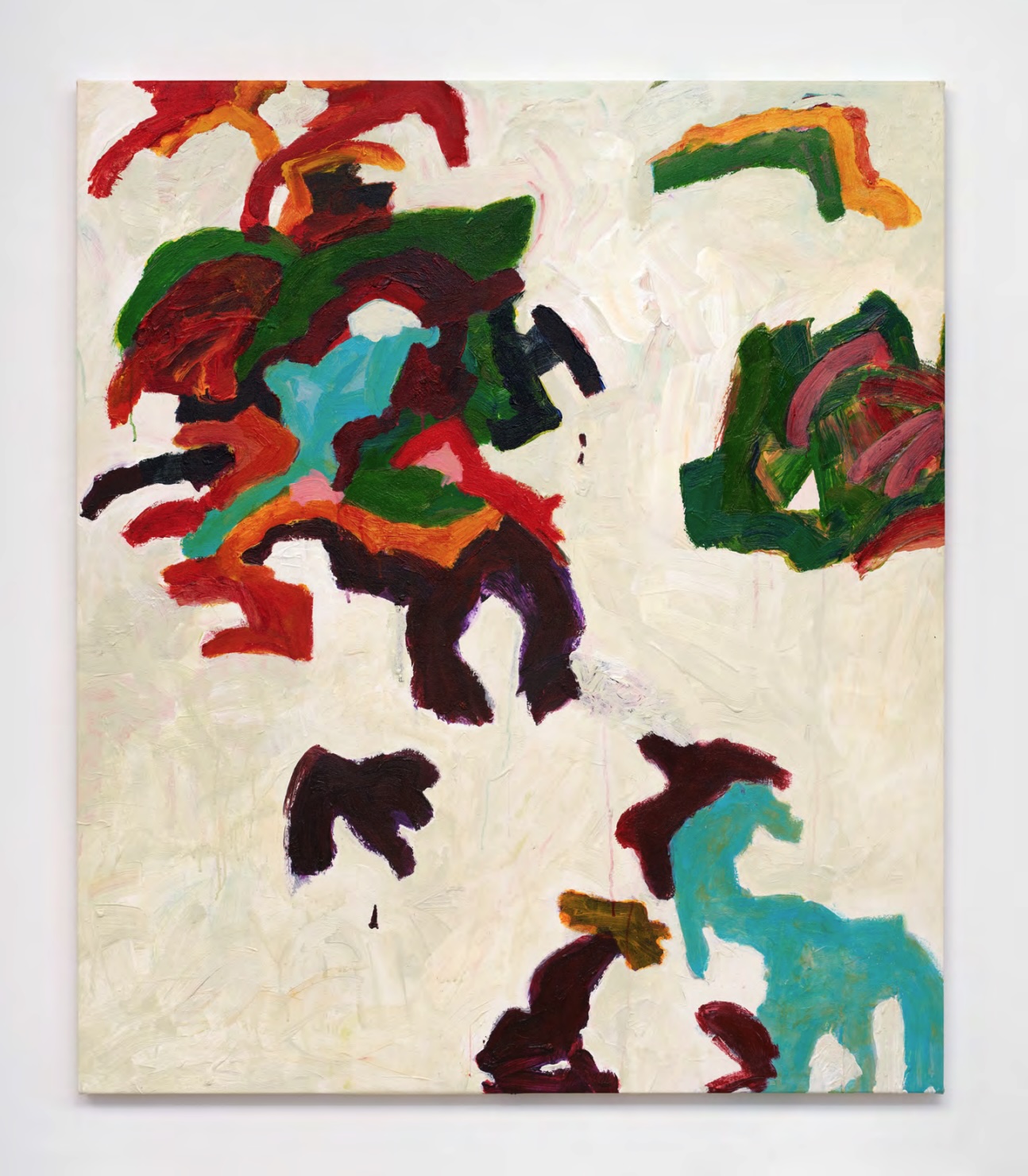
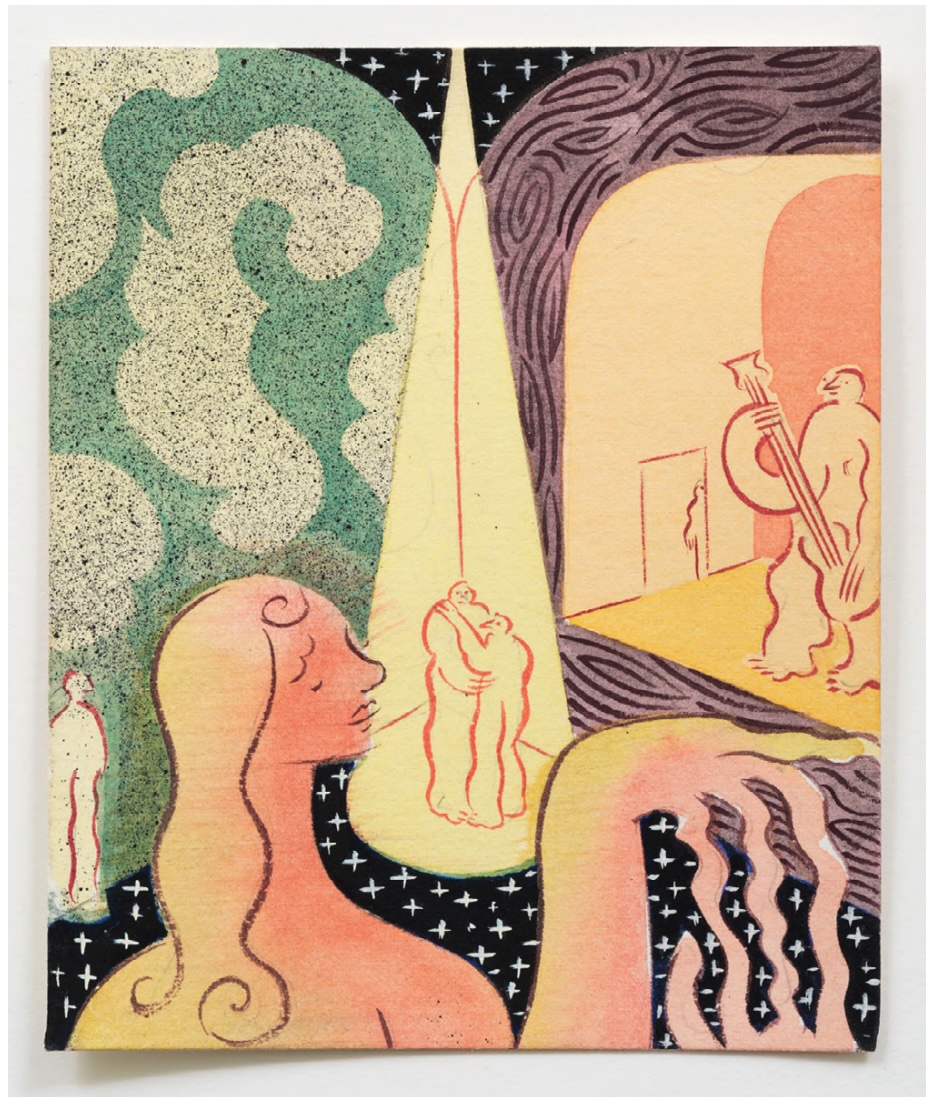
Anne Wehrley Björk at Fernberger
Björk’s current body of work is an investigation into this landscape of her youth in New Mexico, as well as its very particular light quality.
For the sake of your sanity and the capacity of your brain to absorb more material, I leave it here for today. Tune in next week for another installment of art Casey saw and liked in Miami!
Until Next Week–
Casey Monda | CEO & Art Advisor
The Art World Necessity We All Love To Hate
All Access
Art Drop #06
Now that we are on the other side of the big gobble gobble, I can shift my focus to Miami Art Week! Mid-November through the end of the year is really a marathon and a sprint. I love Miami in December but prepping for the biggest week of the year the week after Thanksgiving is a tall order. To come out successfully with your sanity in tact, you have to go in with a game plan and then you have to stick to the plan. (Stick to the plan!…Leroy Jenkins, anyone?) Forming a game plan for an art advisor means combing through the hundreds (yes, literally hundreds) of email previews I am receiving from all of the exhibitors, identifying what I want to make sure I see and mapping out my strategy. Yes, that literally means taking a fair map and highlighting the booths I want to make sure I hit while also leaving time and space to discover something new. I am also juggling meeting up with friends and colleagues, balancing the party/event invites I want to accept, giving tours on behalf of NADA Collects, and wheeling and dealing acquisitions for clients. What? Like it’s hard?
Since many of you reading this here missive are new to art collecting, I had planned to put together a glossary of sorts that would help you speak the art fair lingo, but as I started brainstorming, I realized that the main thing you need to learn is what a preview is, how to get it, and how to use it. So allow me to drop some knowledge on the art industry’s most infamous blessing and curse, the necessary evil we all love to hate–the humble preview <<in an Oprah voice for effect>>!
Sidebar:
If you are already familiar with the ins and outs of previews jump over to The Collection to see what goodies I have added this week. If swaying palm trees and the gentle sea breeze is calling your name but you can’t sneak away, grab an hour or two on my fair schedule for a FaceTime video call so I can show you around the fair of your choice.
Now, The Preview.
What is a preview?
The Preview is generally a dossier about an exhibition that typically includes an essay about an artist or exhibition, the artist’s CV/resume, and the list of available works in that exhibition.
Who sends a preview?
Broadly speaking, the gallery sends a preview of an upcoming exhibition. If you work with a specific person at a gallery, you will usually receive the preview personally from that person. If you are just on the general mailing list, then you will receive it in their general email marketing, anywhere from a day to a week after the personal emails go out.
When do previews go out?
Some galleries send previews of previews well in advance of an exhibition to start giving folks a taste of what is coming. Typically, a preview will come anywhere from a couple of weeks to a couple of days before an exhibition. Timing can depend on a lot of factors, such as:
- How V your I is in VIP
- If the work has been professionally photographed or when that is happening
- If the gallery likes to include installation shots in their previews
A gallerist will usually send their best clients the preview first and then send out a second wave of emails before it goes out to the general public. Also, you usually will not find this information on a gallery’s website. You have to ask or be in their orbit to receive it. That said, you should never be bashful about asking. If you come across a gallery that is interesting to you, ask to get on their preview list. Eventually you’ll work your way onto the A-list if you develop the relationship.
If not on the website, where do previews live?
A Preview is either a PDF document or a live link. If it is a live link, galleries will usually keep availability up to date so you can see if something has been sold or not. If it is a PDF, all of the work in the preview may not be available by the time you see it. If you find a work in a PDF preview that you like, you should prepare yourself for potential disappointment as it may already be sold.
Why are previews a necessary evil?
Previews are the expected way that clients and advisors receive information about exhibitions. However, when you are on hundreds of preview lists, they all come around the same time and it is overwhelming. We need them but they can be a slog to get through. Compound the frustration when a gallery insists on withholding pricing information unless you ask for it, and it can be a real pain in the you-know-what. The more progressive galleries who get it will include prices but usually you have to ask for them. If you are requesting a preview, ask for prices. If you are on a gallery’s email list, they will send you a preview and it probably will not include prices. You are allowed to ask for pricing information as a follow up to receiving the preview.
How to put a preview to its highest and best use?
First of all, you should know that the art in the preview is available to buy. You don’t have to wait until the exhibition opens to inquire about or reserve a work. Secondly, use the preview as a way to engage in a dialogue with a gallery that interests you. Demonstrating interest in their program will help bump you up the food chain. If you are still working on developing your taste, use the preview as an opportunity for education and discovery. Even if you think you don’t like the look of an artist, flip through the preview to get to know more about the work. You may surprise yourself but you will also start to discern perhaps what it is about that work that turns you off. Save them in a file on your computer to reference later. As you start collecting, you will probably want to refer back to an artist’s earlier exhibitions or pricing history.
Here’s another word of wisdom: sifting through previews is a full time job, my full-time job to be precise. If you have ever wondered how a collector can see something and make a snap decision, it is because they have invested their time and treasure into their collection. They have either hired an advisor who they trust to know the market and guide them to the right work or devoted their own time to knowing the market so that when that perfect work comes along, they are ready to pounce. In either instance, they have spent time homing their eye and their taste usually by looking at previews!
If you’re curious about where to start, I would recommend upgrading your subscription to a paid subscription so you can access The Collection and my Galleries & Museums map. These tools are the perfect place to begin discovering new galleries and artists that you would like to follow. Just remember, it is a journey. Where you start is not where you are going to finish. If you are open to surprise and discovery, the journey will be one of the most fulfilling of your life!
I hope everyone had a joy and gratitude-filled Thanksgiving and looking forward to the festive season ahead!
Can't Wait To See in Miami:
Sashi Moskowitz with Anna Erickson Presents
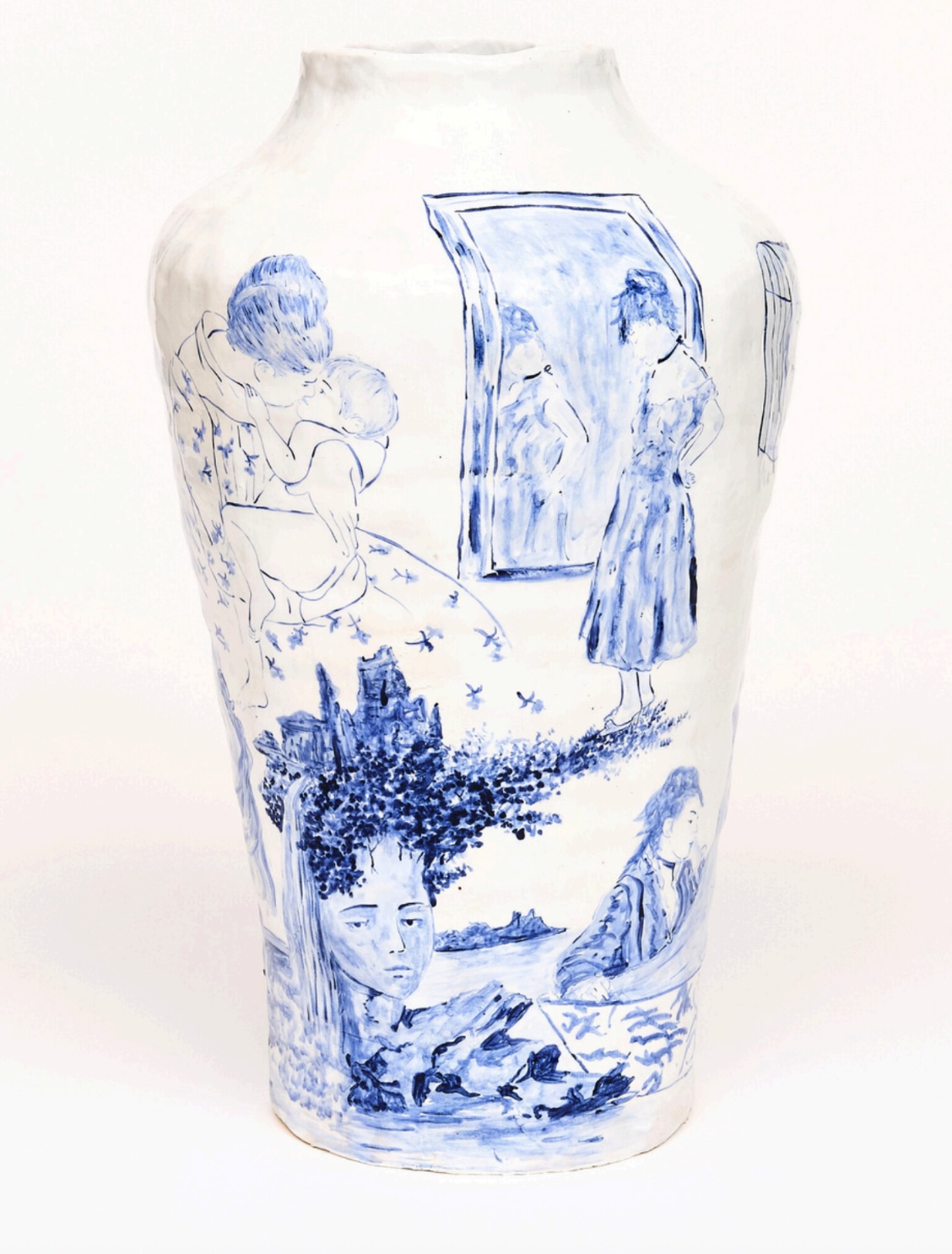
Mason Saltarelli at Timothy Hawkinson Gallery
Halsey Hathaway at SOCO Gallery

Alex Hutton at Shrine

Katie Butler at Hesse Flatow
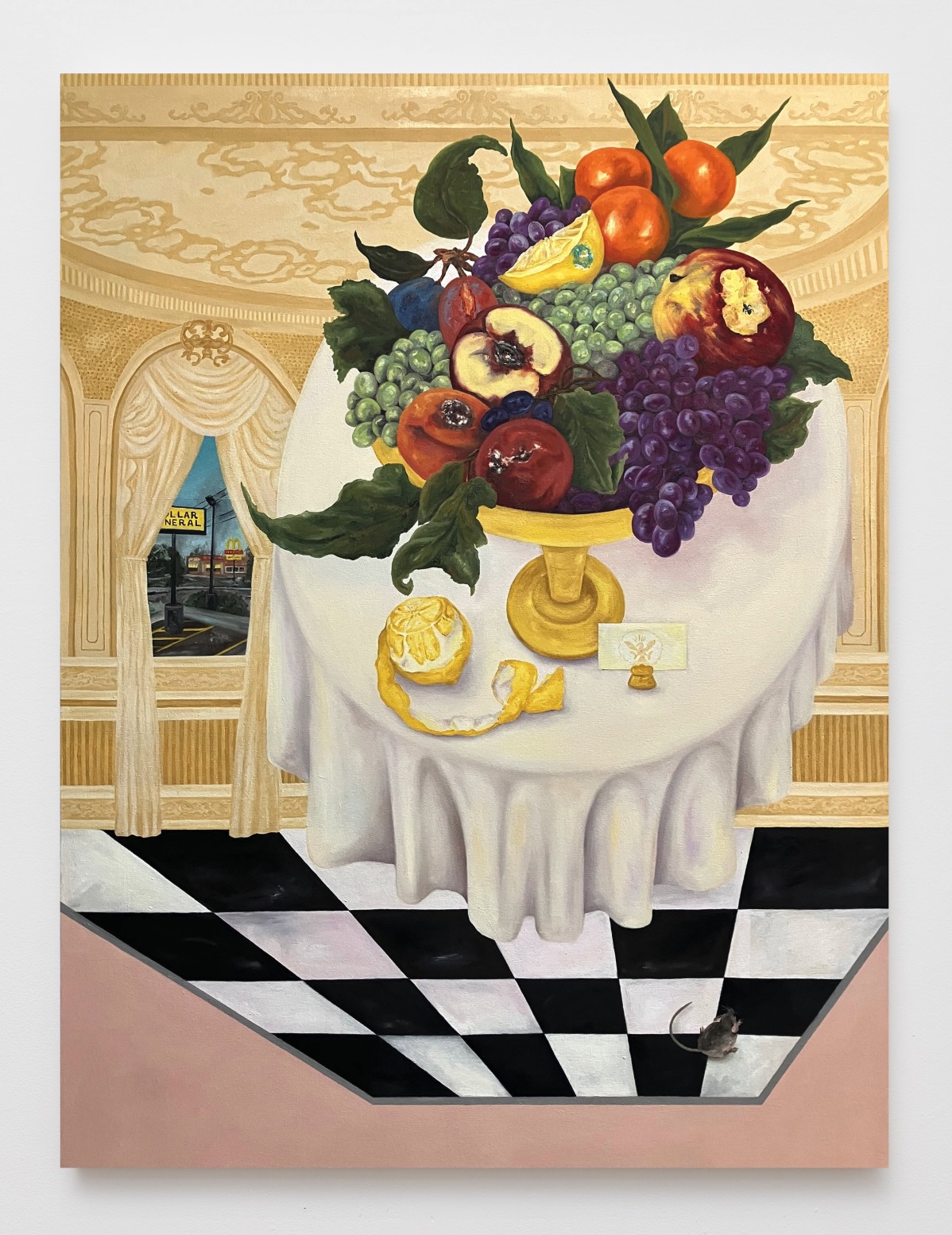
Until Next Week–
Casey Monda | CEO & Art Advisor
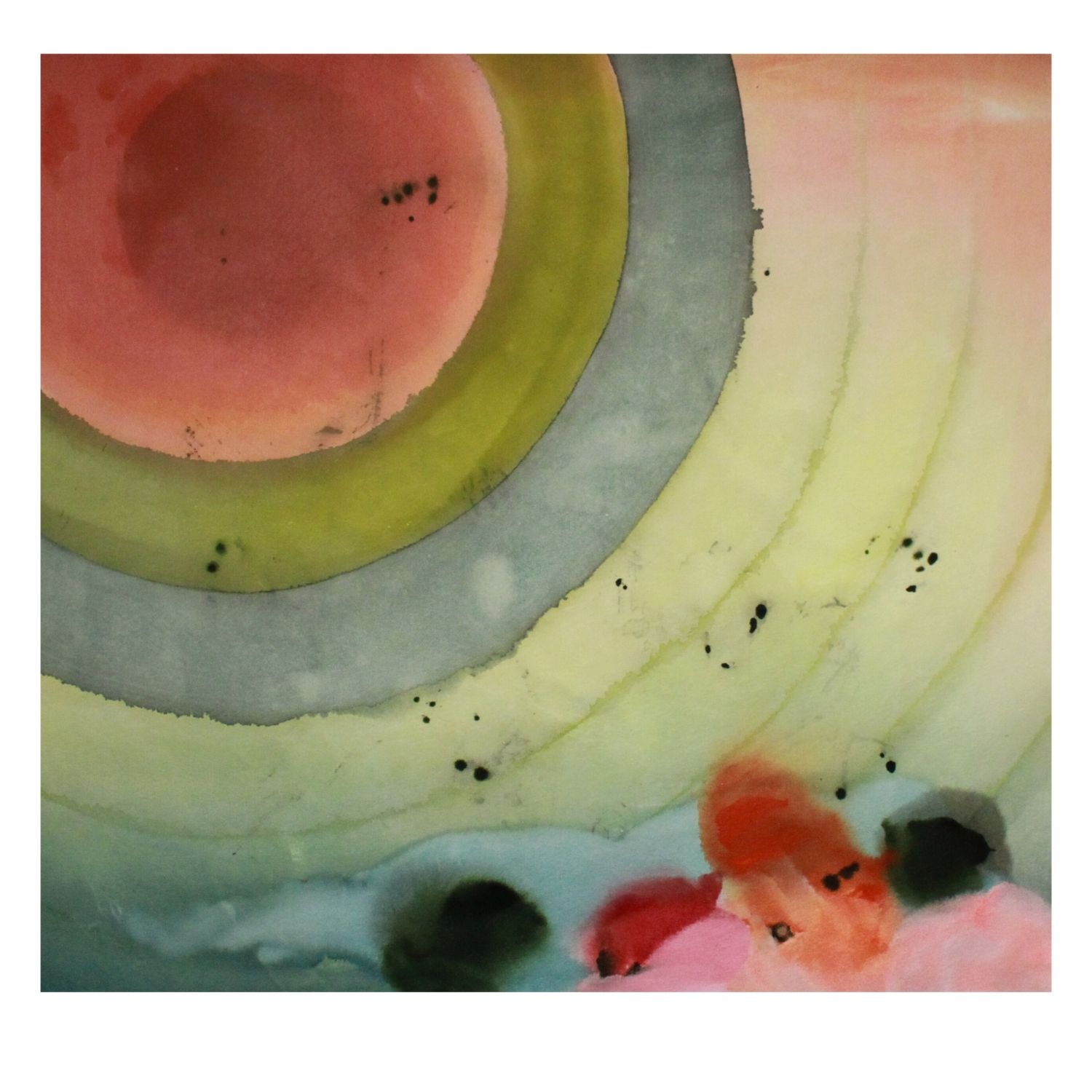
Grateful For Growth
All Access
Art Drop #05
Top of the morning to you! It’s Thanksgiving week and I have a lot to be grateful for. This year, I have spent a lot of time thinking about what it means to be grateful in a season of growth rather than a season of abundance–when you are working toward the harvest. To frame it in another way, how does one handle it when life pushes you so far in one direction that you have no choice but to lean in and roll with whatever that entails? In the last 5 years, this has happened to me. Now, I find myself in a season of growth that I truly wanted but with a set of challenges I did not anticipate. I am grateful to be in this place of growth and change, and for the work I was able to do to get me here. It is never lost on me that the people who believed in me at the beginning are my biggest blessing. I will forever and always value the clients who have made Casey Monda Art Advisory possible. You have entrusted your collection to me and that is no small thing. Please know how much I appreciate your vulnerability, willingness to take risks, and the trust you have placed in me to guide you on this meaningful journey.
I also cherish the new folks in this community who have risen up to meet Art I Saw & Liked and support this wild and crazy venture. This platform holds my whole heart and it is something I believe in to my very core. Showing people that it is possible to live with great art (without a big budget) and how to do it is my calling and every time you read my email, engage with what I have to say, and generally don’t completely ignore me, you are giving me the gift of fulfilling my purpose and passion. Thank you.
I am also stupendously grateful for my community partners like The Young Team, who took a leap with me and decided to turn their office into an art gallery. They have given me the opportunity to fulfill another dream of curating exhibitions, giving artists a voice, and creating events that bring people together and closer to art. And it is with that in mind, that I present my latest project. Introducing Cleveland Heights-based artist, Mel Rea!
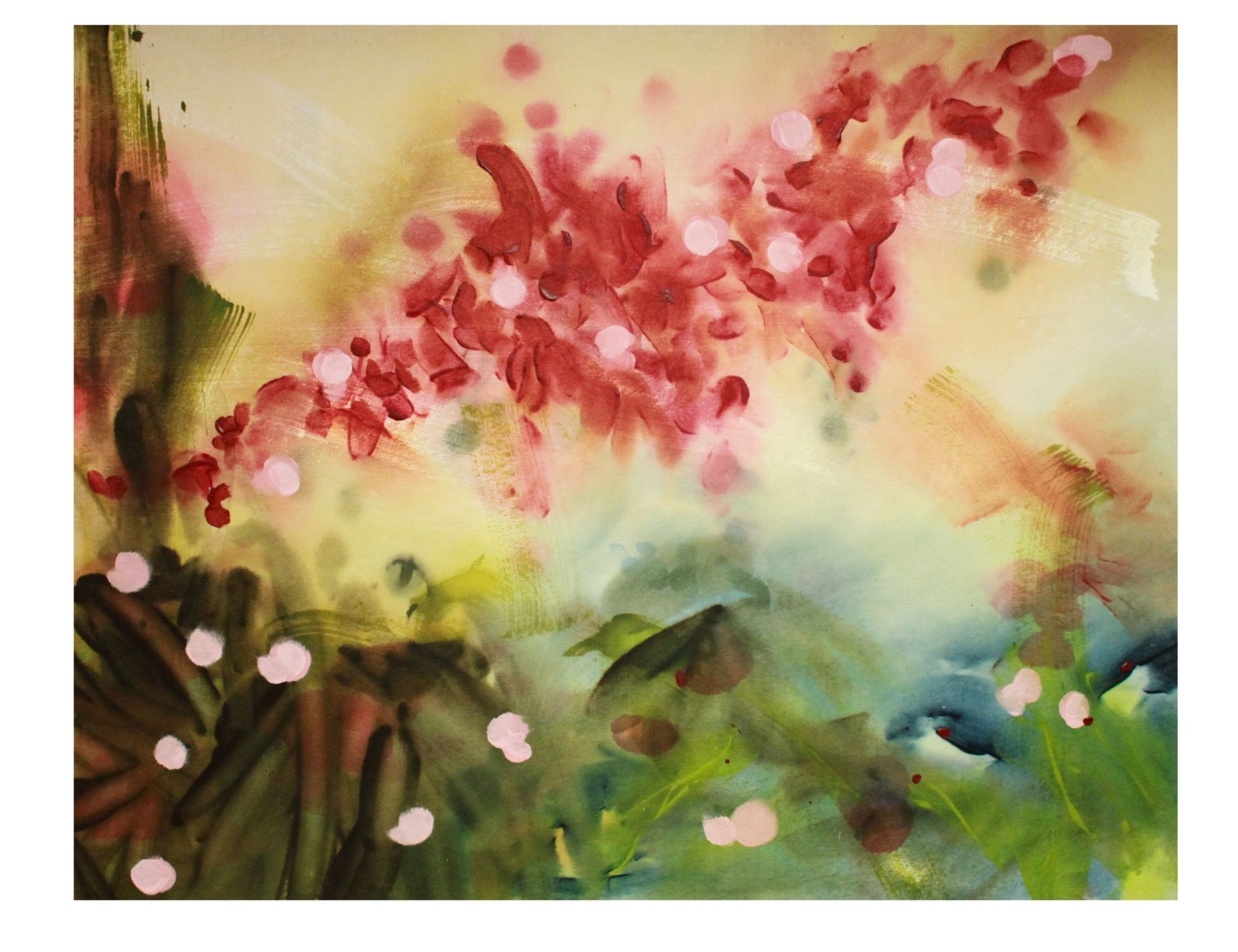
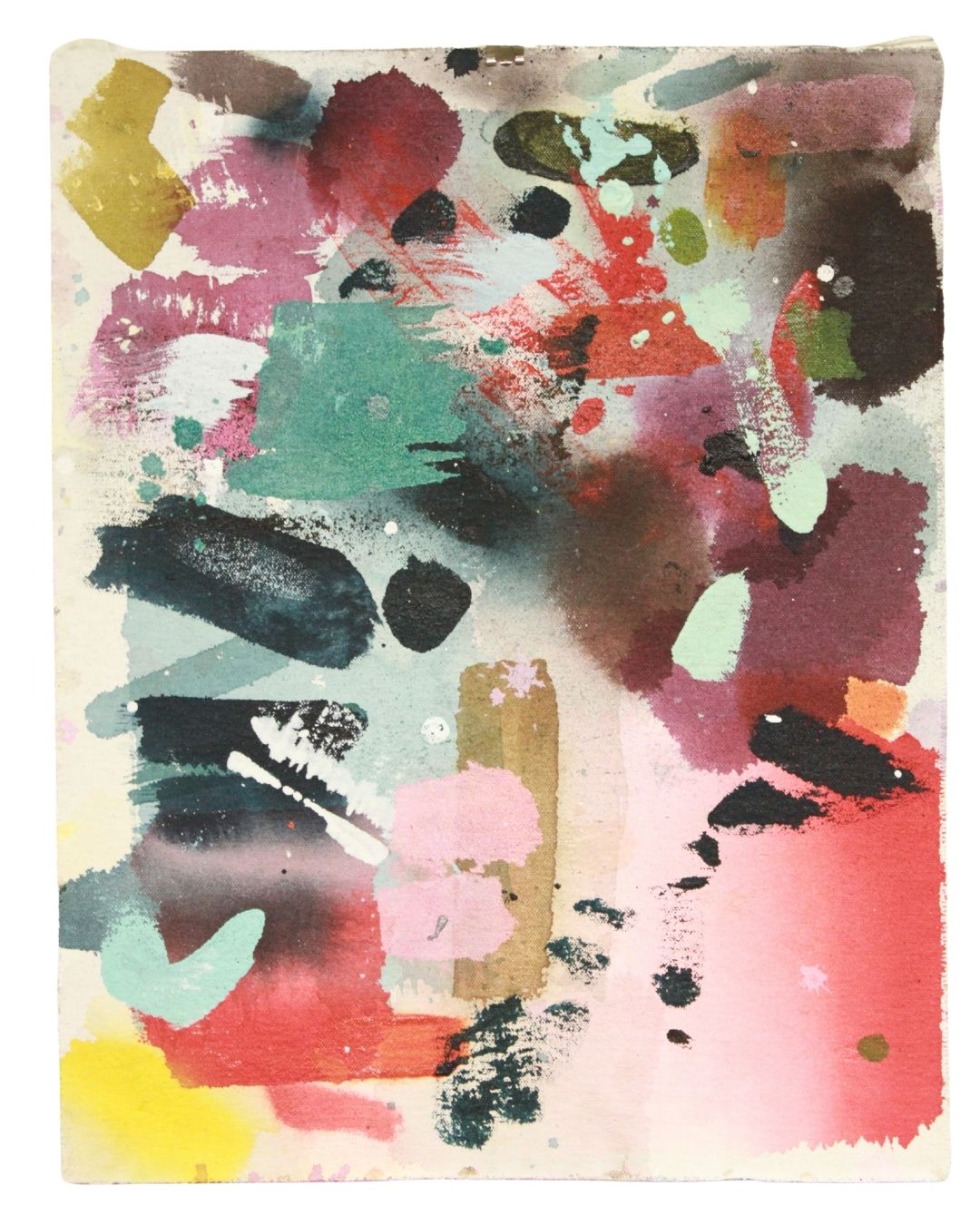
It is unplanned but well-timed that Mel’s exhibition went up on the Young Team’s walls this week because her story is one that highlights the magic that happens when you listen to the inner voice that guides your life’s direction. Mel Rea began her artistic career as a ceramicist creating large figurative pieces with intricate details. A chance encounter with a bucket of beeswax in her grandparents’ basement sparked her curiosity about the potential of other media. Having worked in ceramics for 17 years, Mel was ready to take on a new challenge and began exploring how she might bring her years of experience in sculpture to a painting practice. Thus began her brief but torrid love affair with encaustic (a wax-based painting medium). While the soft satin finish of the beeswax initially lured her and replaced her love for clay glazes, she eventually wanted to be able to move more freely, intuitively, and spontaneously across the canvas. She began dabbling in acrylic, pastel, gouache, and oil sticks and she has never looked back.
Having fully abandoned the referential details that characterized her figurative sculptures of her early career, Mel’s current painting practice embraces abstract assemblages of colorful lines, shapes, splashes, drips, sprays, and scrapes. The resultant forms may suggest something concrete; but, that narrative would only be in the viewer’s mind. It is precisely this intuitive reaction that initiates the relationship with the painting that Mel desires. As evocative forms dance and weave themselves across the canvas, so too do stories, narratives, emotions, or reactions emerge. It is precisely this back and forth that vitalizes Mel’s work. While she is careful to channel warmth and connection into her compositions, she recognizes that anyone can bring any experience to a work. Once she has made her mark, she yields control to the eye of the beholder. The give and take of meaning-making between the artist and the viewer sets up a dynamic relationship that allows for infinitely open-ended interpretation.
Mel Rea completed her BFA in Ceramics at Kent State University. She currently lives and works in Cleveland Heights.
Now that you have read all about her, you must see her work in The Collection plus the other hundred or so pieces available for discovery there. If you’re local, let’s go have a coffee in the gorgeous space at The Young Team and look at her work together. All of the work is for sale and there are even some small works that would make excellent holiday gifts. Wink, wink, nudge, nudge!
NEXT WEEK…
Looking forward to December, I will be heading to Miami for the Super Bowl, ahem, I mean Miami Art Week. Tom-ay-to, tom-ah-to. In the next issue of Seen & Liked Lately, I will be outlining how I prep for the year’s grand finale and making a few FaceTime slots available so you can get in on the action. Whether you are in the market for your next statement piece or just curious about how an art fair looks and feels, I can be your boots on the ground. Slots will fill up fast and there will only be a few so make sure you grab one before they’re gone!
New in The Collection

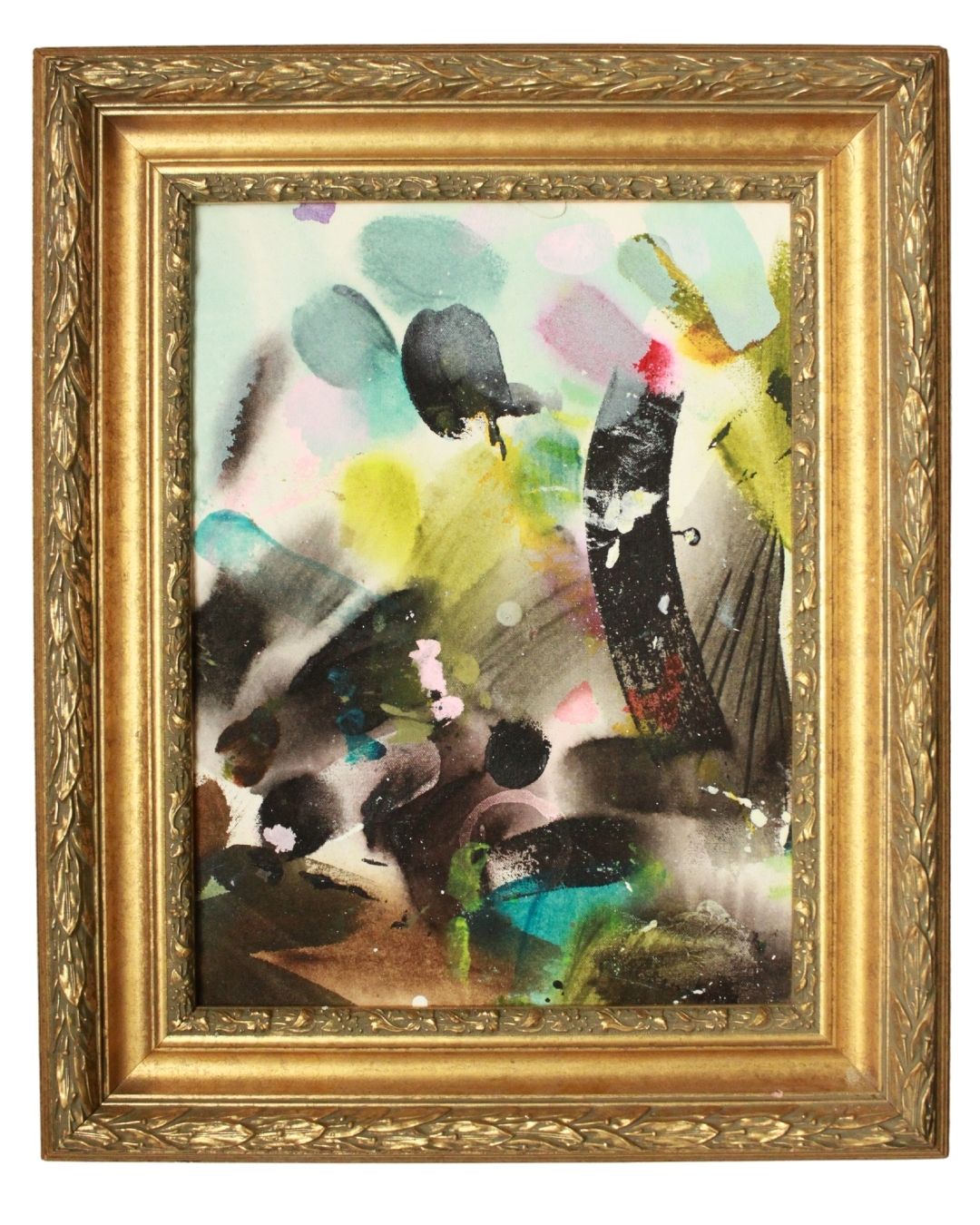
Until Next Week–
Casey Monda | CEO & Art Advisor
Galleries That Get It: Charles Moffett Gallery
All Access
Art Drop #04
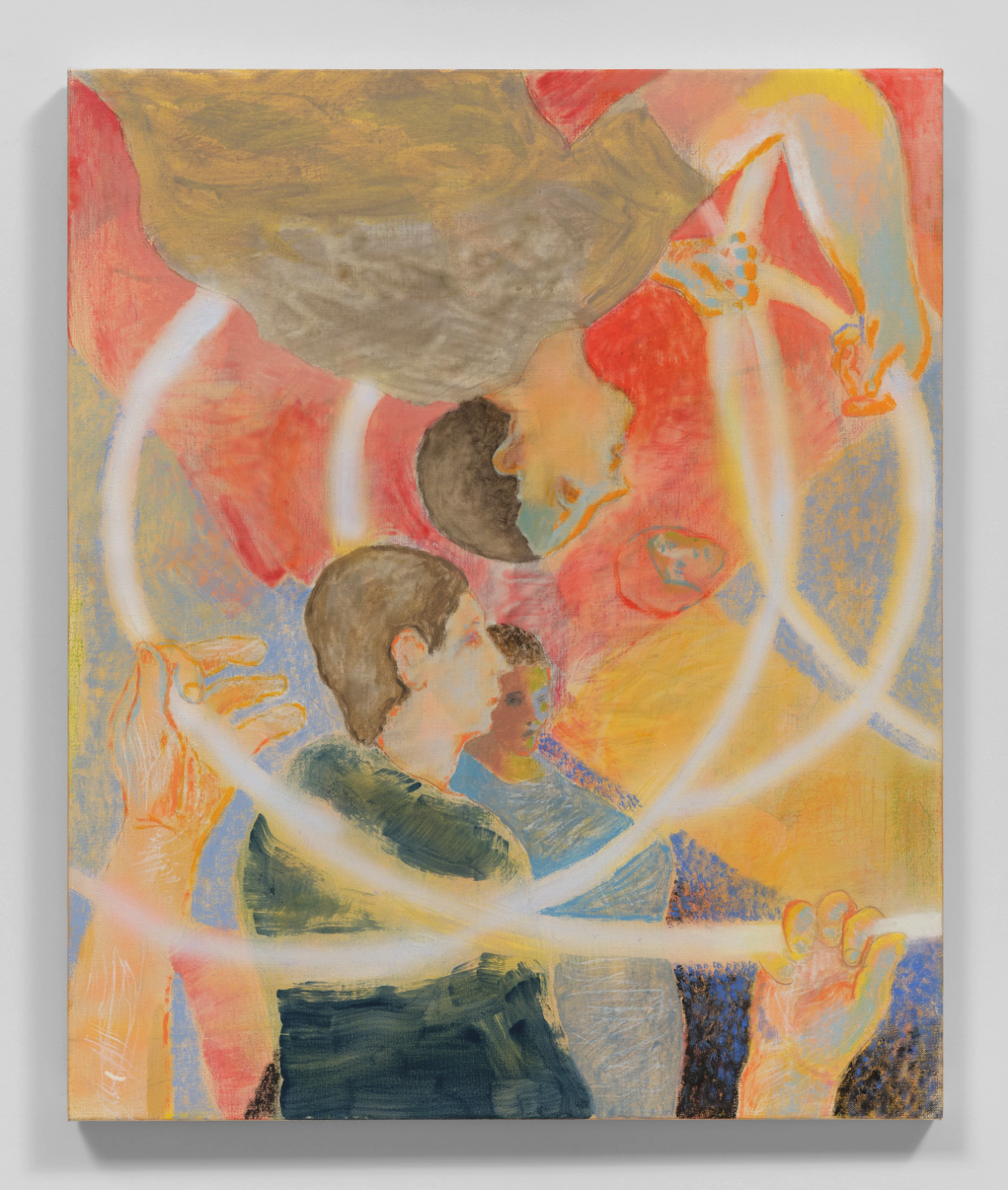
I’ve admired the program at Charles Moffett for several years, but it was only recently that I really developed a relationship with them because of one gallerist who gets it–Hannah Root. To be honest, I don’t really know how Hannah found me but she piped up in response to one of my more fiery Substack posts (pretty sure it was this one). After exchanging some DMs of solidarity on ye’ old IG, we decided we needed to have brunch to hash it out further. It was at that teeny table at Balthazar that I shared with her my vision for Art I Saw & Liked. It felt so good to speak it out loud and Hannah listened so intently, offered up some critical thoughts and suggestions, and became the very first AISAL cheerleader. She has really walked with me every step of the way and provided invaluable feedback and support. So, THANK YOU HANNAH!!
Now, more about why YOU also need to know Hannah. If ever there was a go-getter, changemaker, get-it-doner in the art industry, it is Hannah. She recently transitioned to Charles Moffett after nearly a decade at Pace. Not only does her rolodex run deep, but she welcomes new people and ideas with wide open arms. On paper, she may have cut her teeth on doing things the mega-gallery way; but after one conversation with Hannah, you will instantly learn that she approaches the business of selling art with her own fresh verve. Getting behind the idea of a subscription-based art advisory service? Yep. A mahjong night at the gallery? Do it. Growing her audience on Substack? Sign her up.
She’s the most unpretentious, well-connected person you’ll ever meet. She does pilates in basketball shorts, plays basketball on her days off, and has an incredible eye for emerging talent.
If you’re in New York, you should absolutely make Charles Moffett a stop on your itinerary. In the mean time, read on to hear Hannah’s thoughts on being a gallerist and advice she has for new collectors plus peruse the newest additions to The Collection all from Charles Moffett.
Q & A with Hannah Root
How do you see your role as a gallerist?
Being a gallerist means being an educator first and foremost. Whether it is educating a collector about an artist, clarifying art world jargon for a novice, defining what a gallery is, or elucidating how to start a collection, nothing is out of bounds in this role. Each time a question is asked, the art world grows because it is another mind who feels empowered to remain curious. We are the conduit of information between the collector and the artist, which of course is a job you can’t take lightly!
What is an aspect of your job that most people might not consider?
One of the most overlooked parts of working in a gallery is the opportunity to learn about individuals to help them find an artist they love or the right artwork. Somebody opening up about their aesthetic inclinations can be really personal, so understanding what a privilege it is to create a space where people feel comfortable sharing is a great way to create honest dialogue about artists and artwork.
Do you have any advice for someone wanting to start collecting art?
For people who are interested in beginning their collections, I encourage you to not be bashful in asking the question on your mind. I love when people ask the price, because it means they are figuring out how the piece could work in their lives. Maybe it is a work that you could buy in the moment, or maybe it’s a good artist to earmark for future budgeting. Either way, you are educating yourself as to how to live with artwork that you love.
I am grateful to Hannah for her time in sharing with us and for cheering me on for the sidelines as I have developed this platform and continue to grow it!
Now, to the art!
Sam Bornstein
If you have been here long enough, you have probably picked up on the fact that I am not usually drawn to figurative art (meaning art with people in it). And when I do find figurative work I like, it is usually because the people populating the composition are not immediately in and of my own space. I suppose I personally need an element of separation between me and the figure and I think that happens in Sam’s work. I also find the color palette charming and bright but acidic and overpowering.
Gianna Dispenza
I like Dispenza’s openness to change and unpredictability. The work is abstract and for me the meaning lies in the making. Her additive process fundamentally alters the paint in ways she both understands and can’t anticipate. I find it to be a good metaphor for life. I also think she has a unique sense of composition that feels responsive to the altered state of her materials.
Maggie Ellis
Maggie clearly knows her art history. This one painting makes two obvious references to Edouard Manet’s Dejeuner Sur l’Herbe and George Seurat’s Sunday on La Grande Jatte. In her version though she updates the scene, the composition, and the color palette to feel like it was screen-grabbed from Instagram. In Ellis’s hands, the central theme of isolation from Seurat’s magnum opus is recast as the ubiquitous glowing screen that is shattering the relationship-building skills of young people across the world. The recumbent nude figure in the foreground occupies a similarly obscure role as her counterpart in Manet’s painting; and, I can only surmise that viewers should bring their own interpretations to this familiar yet elusive work.
Keiran Brennan Hinton
Hinton is a master of melding universal familiarity with nostalgia for a particular place. I often feel a longing or kindred connection to the places he depicts even if I don’t know exactly where they are. He documents the feeling a place gave him rather than the way it looked and that is my favorite kind of representational painting, whether it’s a landscape, an interior, or otherwise.
Silvia Heyden
I love a good opportunity to give due to an artist who deserved more attention than they got during their lifetime and Silvia Heyden is just that. While she gained some notoriety, particularly in the American Southeast, she should be better known than she is and I love that Charles Moffett is bringing attention to this 20th century textile artist.
Hopie Hill
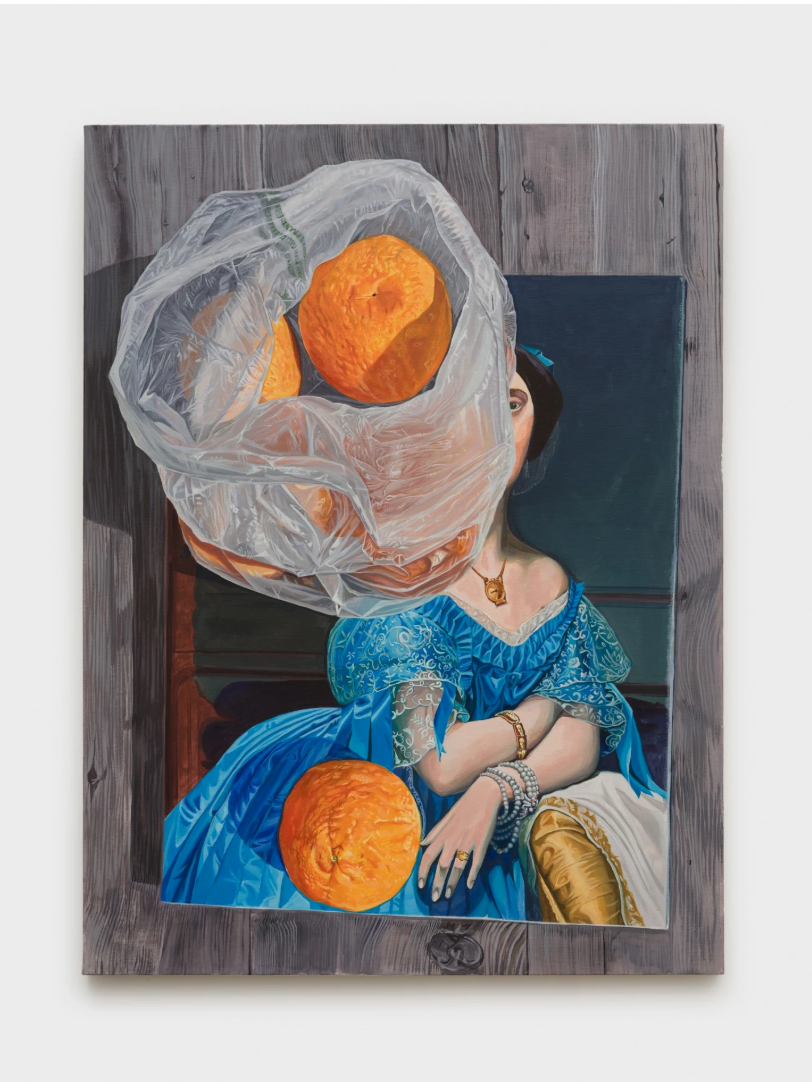
Another artist who knows her art history, Hopie Hill carries on the tradition of symbol-rich still life painting of the Dutch Golden Age. Recasting familiar objects like citrus fruit, eggs, or snails, Hill reflects on her own personal journey and offers an opportunity for connection with the viewer as she opens up about her struggles.
Julia Jo
Jo’s work jumps back and forth between figuration and abstraction and deals with the miscues, missteps, and lost-in-translation moments she felt growing up between Korea and states across the US. Each mark is carefully calibrated to reveal and conceal. This work totally stands up in the three areas of evaluation I discussed last week!
Melissa Joseph
Another artist dealing with memory and family history, Melissa Joseph looks at how we occupy space, the labors of women, and the experience of being a second-generation American. Her work has a sculptural, almost-DIY quality to it but it is very much intentional and not for lack of skill. It feels vintage and close to home, telling intimate stories with unique materials She was also listed in the Artsy Vanguard 2025, so there’s that background check for ya!
I hope you have enjoyed reading all about one of my favorite NYC galleries and gallerists this week. It takes years of dedication and discernment to develop these relationships and I am so grateful to all of the gallerists who have worked with me along the way. Truly, galleries are essential cogs in the art industry machine. They spot and nurture great talent and help artists manage the business of being artists so that artists can do what they do best–clarify the world for the rest of us! The art industry can not survive without them, so find the ones that resonate with you and support them!
Thanks for being here!
Featured Art



Until Next Week–
Casey Monda | CEO & Art Advisor