
Know Your Type: Dear Design-Forward Collector, The Room Is Not the Point
All Access
This is the second post in my Know Your Type series on the four collector types I’ve identified through years of advisory work. If you missed the first one on the Venturist collector, start there.
There is a moment I have watched happen like it’s Groundhog Day — and it tells me immediately that I’m looking at a Design-Forward Collector. They walk into a gallery or a fair booth, stop in front of a work, and before they’ve spent more than ten seconds with it, they say — sometimes out loud, sometimes just with their body — “I don’t know where I’d put that.”
That’s the Design-Forward Collector. And before I say anything else, I want to say this clearly: there is absolutely nothing wrong with wanting art that looks good in your home. I have said it before and I will keep saying it. It’s okay for the art to match the couch, or not match the couch, whichever way your interior design swings. The art world has spent decades making people feel lesser for caring about how a work looks in their living room, and I think that’s one of the most damaging things it has done to its own future.
So this is not a post about why you should stop caring about how your art collection lives in your interior design schema.
It’s a post about what you might be doing before you even get to the walls.
The Design-Forward Collector has genuine skills that more intellectually driven collectors often lack. They think spatially. They curate instinctively — mixing media, varying scale, understanding that a room full of paintings on canvas is not very interesting. They are drawn to beauty and coherence and what I’d call a spatial story: the way objects in a room speak to each other, create tension, and establish a mood. Some of the most considered collections I’ve ever seen belong to Design-Forward Collectors. They understand that art lives in the world, not in a white cube, and that the experience of living with work every day is as important as the experience of encountering it for the first time.
They are also the ones who often approach an art fair with their Pinterest board in hand, trying to match a specific spatial vision with what is available to buy right now.
They are often the collectors the art world looks down on most. And I want to acknowledge something uncomfortable here: I have contributed to that problem.
Like most advisors who work on beautiful projects, I post the beautiful projects. The stunning living rooms, the carefully considered installations, the spaces where art and architecture and interior design have come together in a way that makes you want to sit down and never leave. I post these because they’re beautiful and because the algorithm rewards them and because, honestly, they’re what a lot of people want to see. But what I’m inadvertently doing — what we’re all inadvertently doing — is creating a visual culture that tells new collectors this is what collecting looks like. And so they go out into the world trying to replicate an image they saw on Instagram rather than trying to understand what they actually respond to.
It’s a vicious cycle and I’m part of it. I’m naming that because I think it’s worth naming.
Here’s what the Design-Forward Collector does brilliantly: they bring taste and intention to the spatial experience of living with art. These three artists are in The Collection for exactly that reason — they reward the Design-Forward eye while also checking the harder boxes.
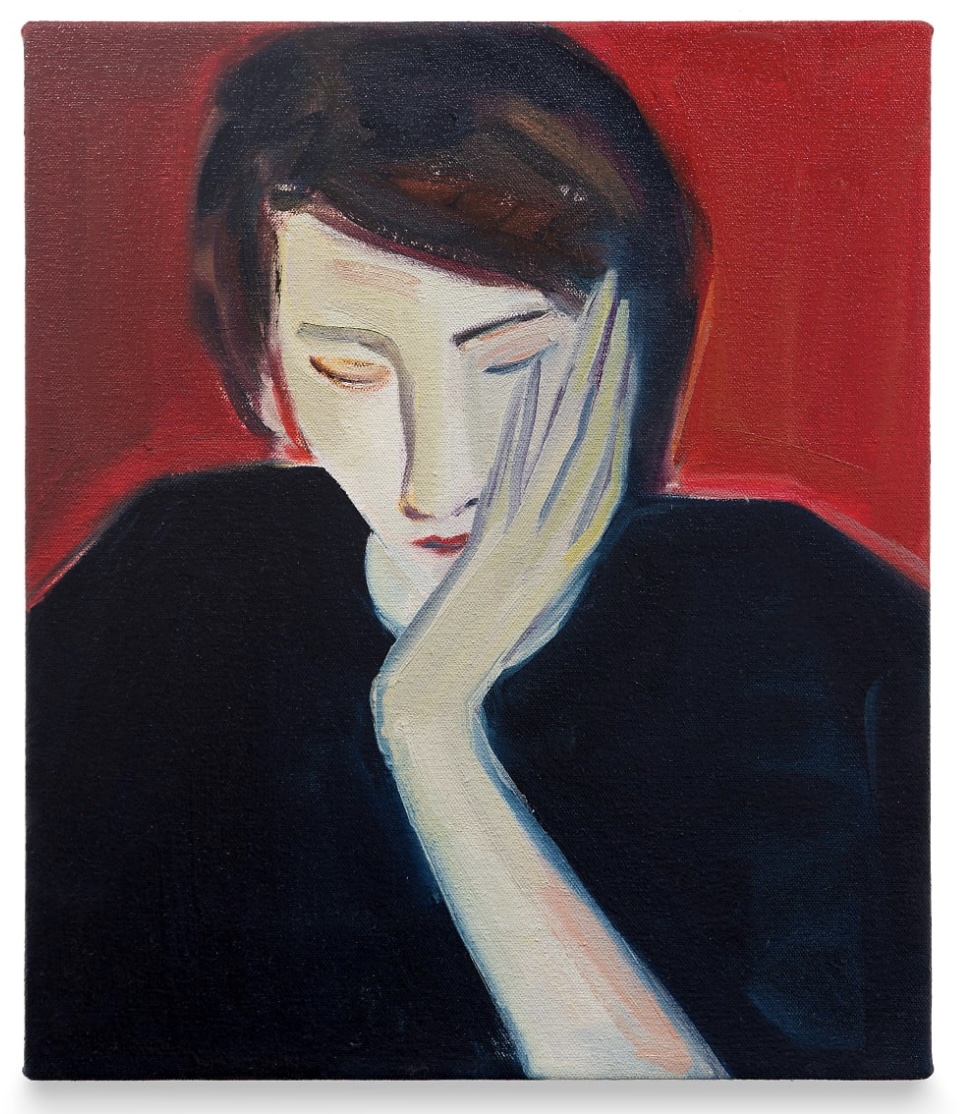
Eve Ackroyd’s The Evening Before — a figure withdrawn against a field of deep red, painted with subtle psychological intensity — works for them because it has a clear emotional temperature that anchors a room without dominating it. The color story is strong but livable, the scale is considered, and there’s a melancholy in it that deepens over time.
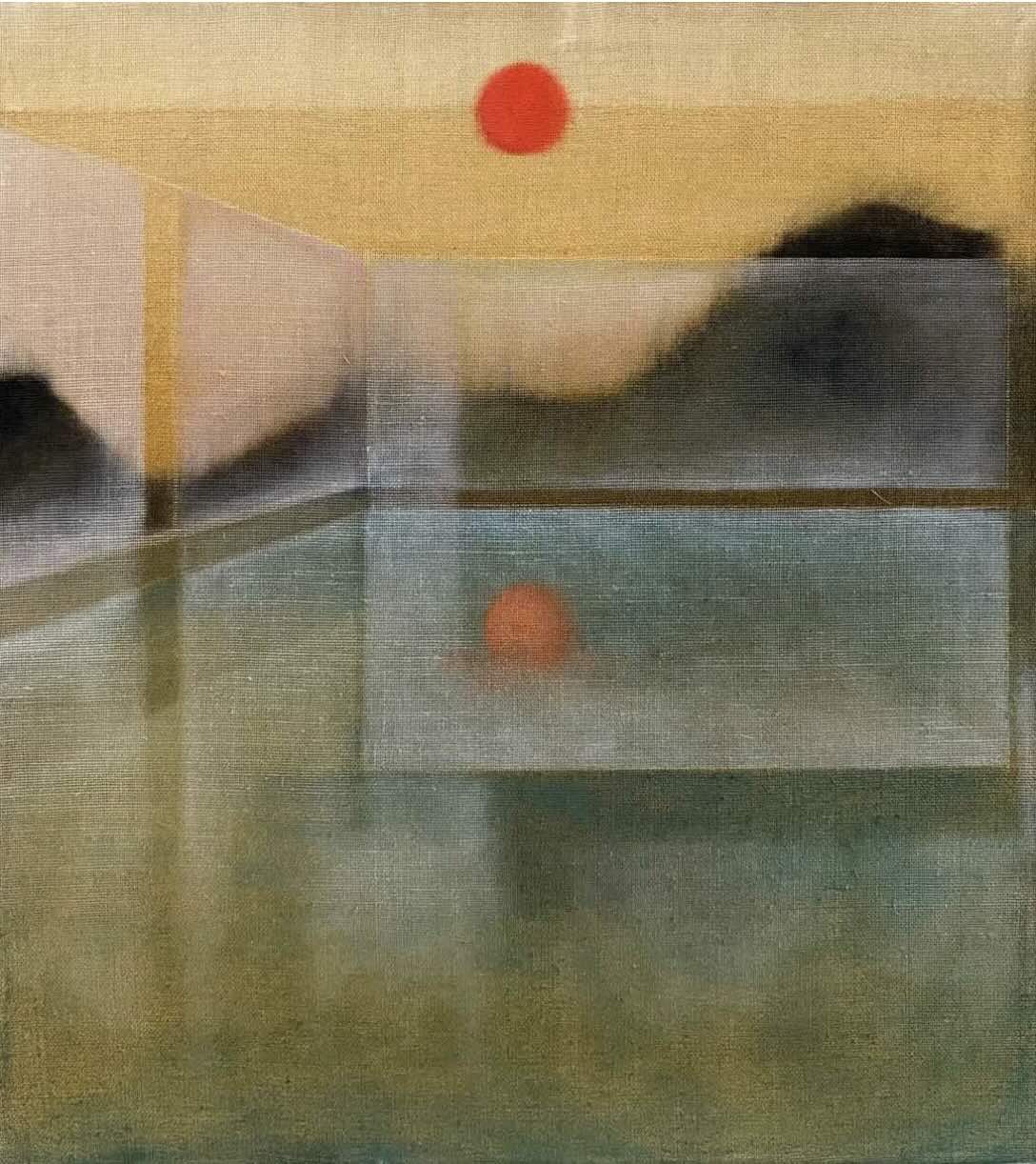
Kristen Giorgi’s Mirror Field works for them because it’s atmospheric and geometric at once, soft and structured in equal measure, and the color palette is just bright enough to bring warmth to a room but not overly saturated or saccharine. It is the kind of painting that changes depending on the light and the hour, which makes it endlessly livable.
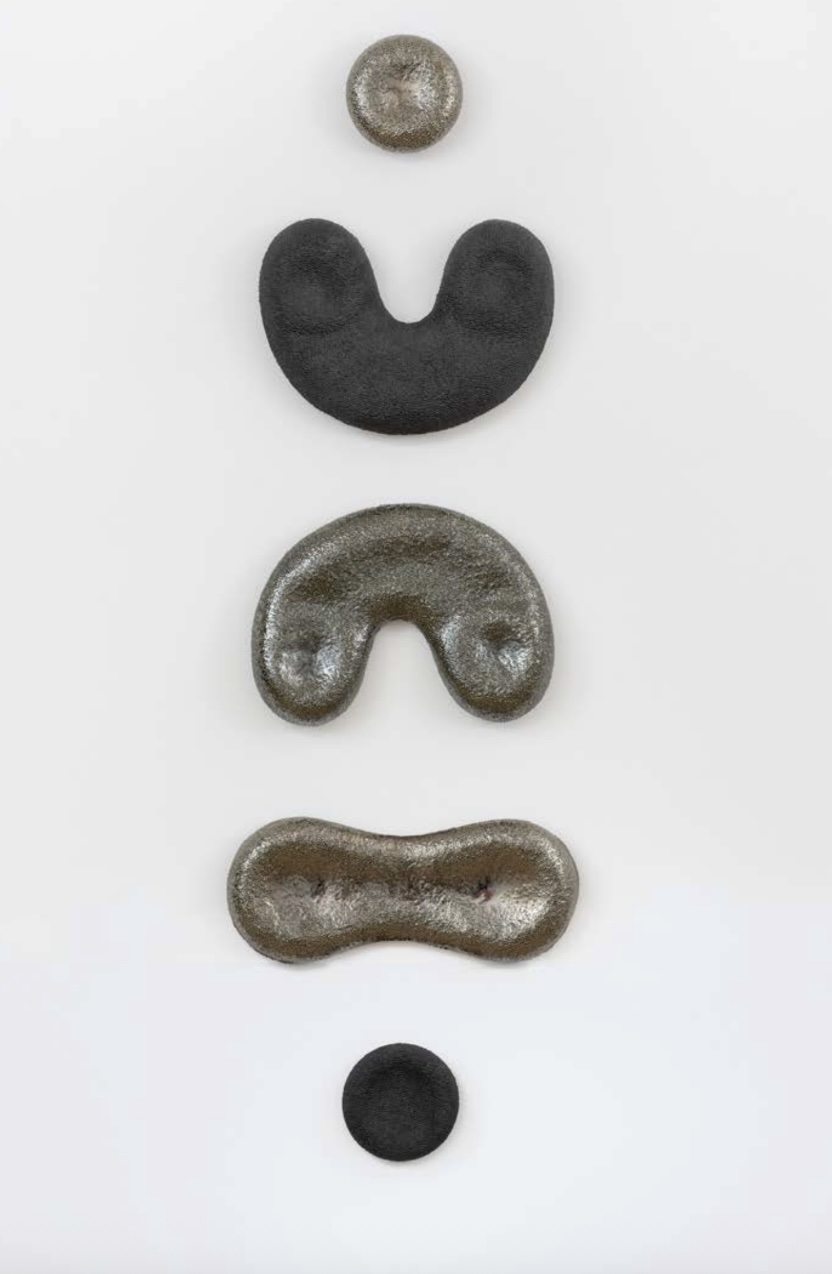
Lana Kova’s Totem III works for them because it breaks the tyranny of the rectangular painting — organic, textural, wall-mounted forms that create rhythm and shadow in a way that a flat canvas never could.
These are not compromises. These are genuinely strong works that also happen to live beautifully. That’s not a lower bar. That’s a harder one.
But here’s what the Design-Forward Collector sometimes does before any of this: they edit.
They look at a work and decide — in seconds, before the work has had a chance to speak — that it doesn’t go anywhere. That it’s too much, too difficult, too something. And in doing so they eliminate entire categories of experience from their consideration before taste even enters the equation.
Take Vaughn Davis Jr.’s sculptural paintings. Canvas and cardboard torn, painted, and cascading off the wall onto the floor in colors that are simultaneously beautiful and aggressive. A Design-Forward Collector looks at this and thinks: where would that even go? And I understand that response. It refuses to be contained. It won’t stay flat. It demands not just wall space but floor space and airspace and a certain willingness to let the work be uncomfortable in the room.
But what they’re walking past is a work that is asking something profound about the human process of becoming and unbecoming — the way we as people change and morph and become our truest selves with everything that happens to us. Living with that question every day changes how you think about everything you’ve hung on every other wall. That’s not a decoration. That’s a conversation partner.
Or consider Heekyoung Jeon, whose luminous blue and green landscape paintings a Design-Forward Collector might dismiss as too saturated, too exuberant, too much. And here’s where it gets interesting — because that’s not a spatial judgment. That’s an aesthetic one. They’re not saying it won’t fit the room. They’re saying it won’t fit their idea of what good taste looks like. Which means they are capable of making that distinction. They just apply it inconsistently: they’ll accept quiet decorative work without interrogating it, and reject loud challenging work without interrogating that either.
What Jeon’s paintings actually are is joyful in a way that takes genuine artistic confidence to pull off. The exuberance is not naivety. It’s a position. And a collector who has trained themselves to distrust joy in painting because the art world has taught them that serious art is restrained art is a collector who has let someone else’s taste override their own.
Here’s the thing about the Design-Forward Collector that I want to leave you with.
The room is not the point. The room is the context. And there is a difference.
The best collections I’ve seen in beautifully designed homes are not the ones where every work was chosen to complement the space. They’re the ones where the space was slowly, sometimes reluctantly, organized around the works. Where a collector fell in love with something that didn’t go anywhere and then figured out how to make it go somewhere. Where the art shaped the room rather than the room shaping the art.
That’s a different way of collecting. It starts not with the wall but with the work. Not with “where would I put this” but with “what is this doing to me.” And once you start asking that second question — even as a Design-Forward Collector, even knowing that you care deeply about how your home looks and feels — you find that the works you end up with are both more beautiful and more meaningful than anything you would have chosen by starting with the room.
It’s okay to want art that looks good in your house. It’s okay to want art that tells your personal story. In this case, you can have your cake and eat it too.

Know Your Type: Dear Venturist, There's More To Art Than Energy
All Access
There is a particular kind of art collector who walks into a booth and knows within ten seconds. Not because they’ve done the research or read the wall text or recognized the gallery name. Because something in the work is alive in a way that everything around it isn’t. They feel it before they can explain it, and they trust that feeling in a way that more cautious collectors never quite manage.
I call this collector type the Venturist. And in my experience, they build some of the most exciting collections I’ve ever seen. This is the person who, in 20 years, you’ll be asking, “How did you know to buy that then?!”
They also build some of the most disappointing ones.
Here’s the thing about following energy: energy is real, but it isn’t always the same thing as quality. What feels electric in the booth — the rawness, the unrest, perhaps the slightly unresolved quality, the sense that you’re seeing something nobody else has noticed yet — can feel thin on the wall six months later. Not because your instinct was wrong. But because instinct alone doesn’t always tell you what’s actually there versus what you wanted to be there.
Typically, the Venturist is drawn to novelty above everything else. And novelty is one of the four criteria I use to evaluate whether a work has staying power, so there’s nothing wrong with leading with it. The problem is when novelty becomes the only question. When the thrill of seeing something you’ve never seen before crowds out the harder questions: Is this artist grounded in something more substantive than a strong visual idea? Does the work know where it sits in a larger conversation? Is the craft in service of a concept, or is the concept papering over the absence of craft?
To put it in really cliché terms, a Venturist would have loved Jackson Pollock. No one had ever splattered paint (and pee and all sorts of other liquids) on a canvas the way he did. BUT the key is that it wasn’t splatter paint for splatter paint’s sake. It was splatter paint in service of turning the hierarchy of art history on its head, shaking it around a few times, and then chucking it out the window. It was shattering every rule, every truth, every principle into has many unrecognizable shards as possible and then seeing if there was a new way to piece it back together. Concept met craft and transformed into contemporary art. (Ok, all you art historians, do not @ me with Lee Krasner, right now. I know she did it first but I am trying to illustrate a point here.)
Without those questions, you end up with a collection full of glitter and graffiti and young energy that doesn’t resolve. Work that was exciting at the fair and restless on the wall. Smoke and mirrors that looked like vision in the moment.
That’s the Venturist’s blind spot. And it isn’t a character flaw — it’s a calibration problem.
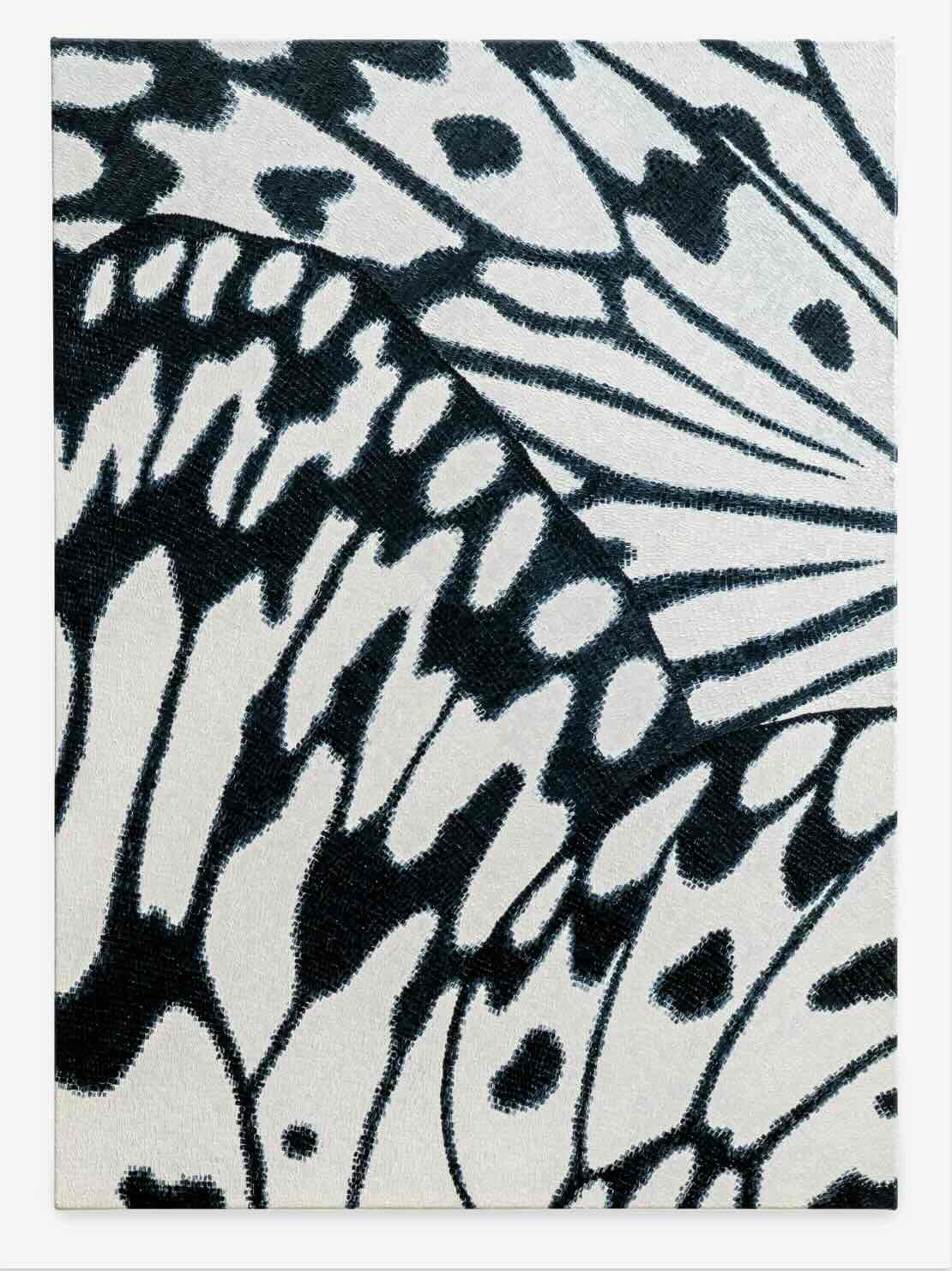
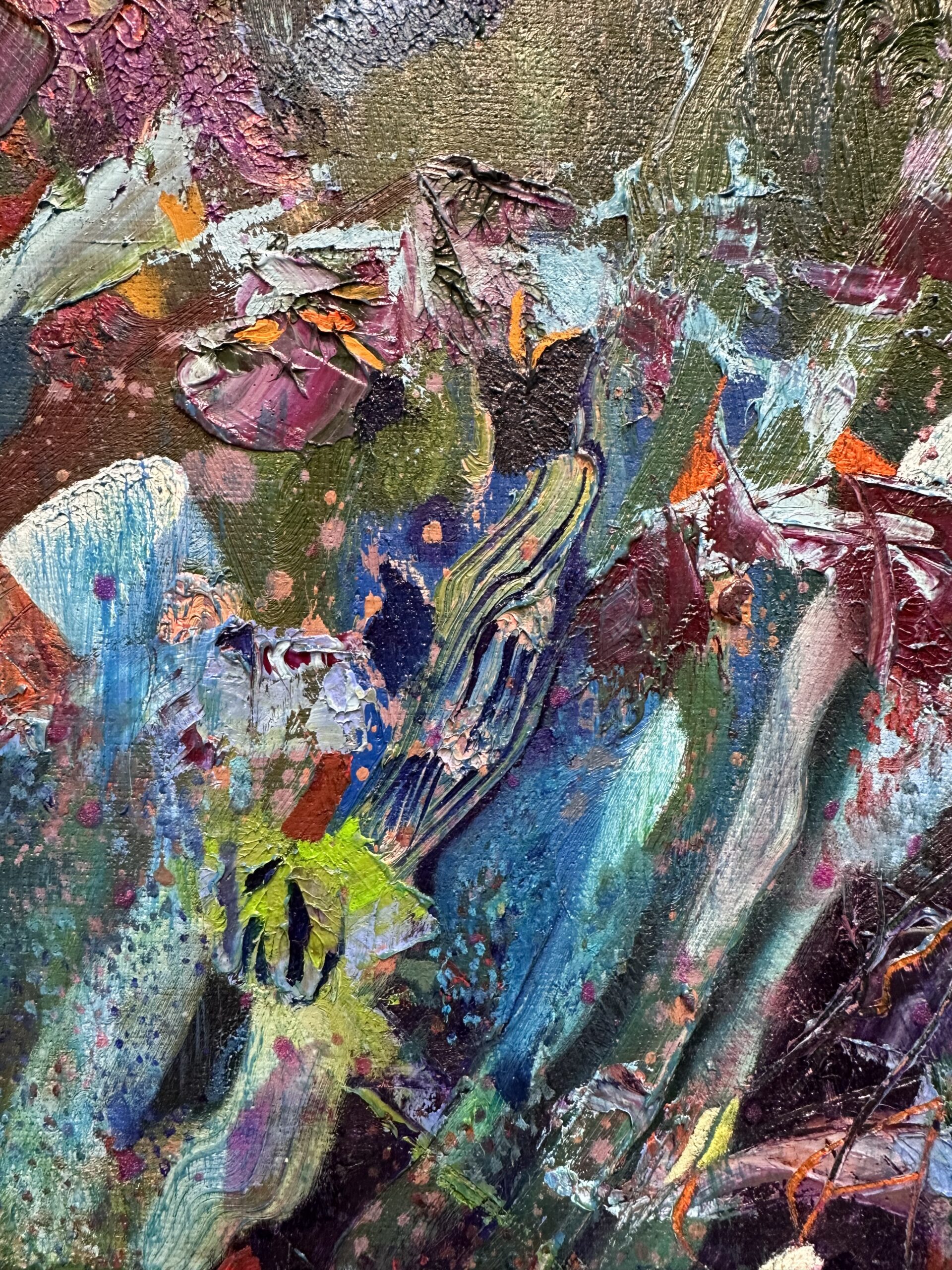
The artists who genuinely deserve a Venturist’s attention are the ones who satisfy both impulses: they stop you with something you’ve never seen before, and they reward you when you look and think harder. I’ll highlight three artists from The Collection that do just this. Tom Jean Webb does this. His work has an immediate visual electricity — you feel it before you understand it — but the longer you spend with it the more you find. There’s a conceptual architecture underneath the surface energy that gives the work somewhere to go. Sachi Moskowitz is similar — her ceramics feels alive, relevant and slightly irreverent in the best way, but that irreverence is intentional, not accidental. She’s asking questions the work is designed to hold open, not questions she hasn’t figured out how to answer yet. Grace DeGennaro rewards the Venturist eye with something that feels genuinely singular — a visual language you think you recognize but realize you can’t resolve on your own without knowing more about how she thinks and views the world around her. The practice is grounded in a sustained investigation that gives the work weight beyond its novelty.
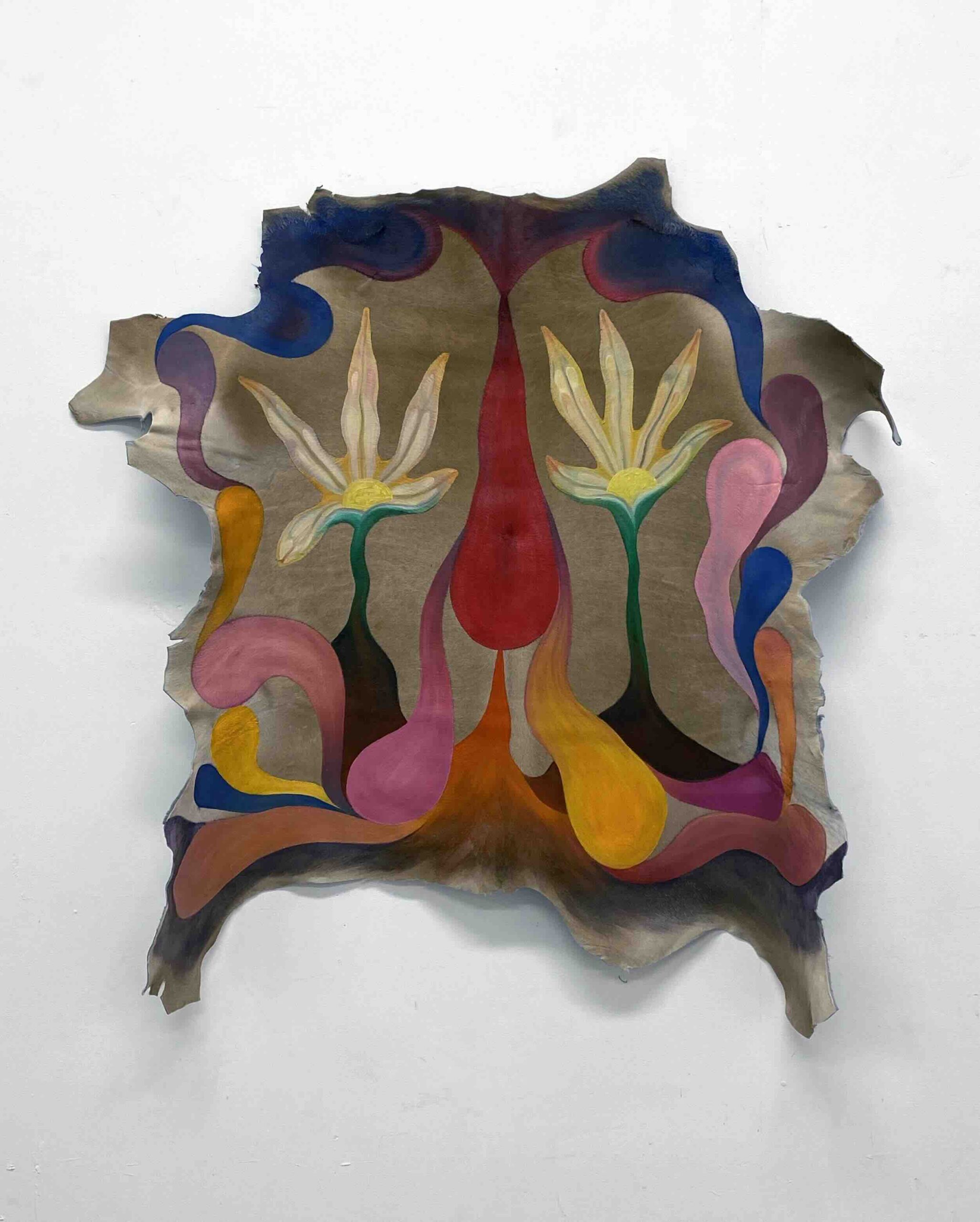
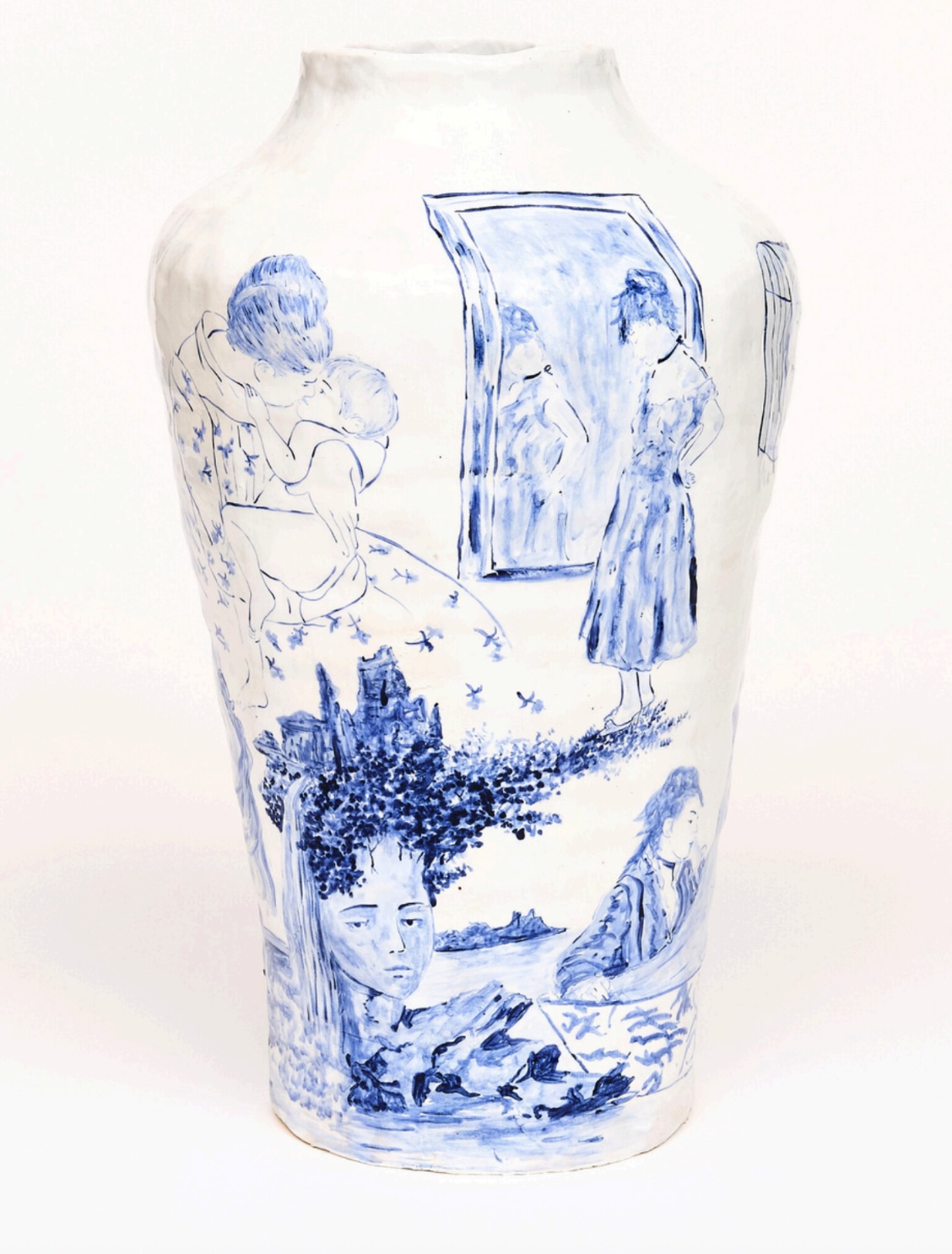
These are the artists a Venturist should be looking at. Not because they’re safe bets but because the risk is undergirded by substance rather than cosmetics.
Here’s the bottom line, if you take nothing else away. The question worth asking before you commit is NOT whether you feel something, NOT even whether you’ve seen anything like it before. But what’s actually sustaining the feeling. Is it the work itself — its intelligence, its intentionality, its awareness of what it’s doing and why — or is it the thrill of the discovery? Those are different things. They lead to different collections. And only one of them holds up over time.
I work with Venturist collectors not to take the risk away. The risk is the whole point. But to make sure the risks you take are the ones worth taking.
The Venturist is one of four collector types I’ve identified. Next week: The Design-Forward Collector.
Why Is Buying a Couch Easy and a Painting So Hard?
All Access
I was on a Zoom recently with a gallerist I deeply respect. We were talking about something the emerging art world can’t stop talking about right now — how to bring more art-curious people into the fold. How to meet them where they are. How to make buying art feel possible rather than intimidating. Like, why is art buying so hard?
At some point we landed on a question that really got me thinking <<cue Carrie Bradshaw moment>>:
Why is spending money, say $5,000, on a couch easy and spending the same amount on a painting so hard?
Before you say it: I know not everyone spends $5,000 on a couch. The number isn’t the point. The psychology is.
Think about the couch for a second. You find one you like, or your interior designer tells you to buy it, and you buy it. You don’t lie awake wondering if it will hold its value. You don’t question whether you know enough about furniture to deserve an opinion. You don’t worry about whether you’ll still love it in five years or whether you’re being taken advantage of. Honestly, you might just buy it off the internet and never even sit on it before it lands in your living room.
It’s just a couch.
Now think about the painting.
Suddenly there are ALLLLL of these questions. Is it good? Will it appreciate? Do I know enough to have an opinion? What will people think? Is this artist worth following? Am I paying too much? What if I’m wrong? What if I love it now and hate it in five years?
The same money. Completely different psychological experience.
Here’s what I’ve been sitting with since that Zoom call.
The collectors who built the great collections — the ones who bought with confidence, who moved decisively, who seemed to know exactly what they were doing — didn’t feel that anxiety. Not because they were born with better taste. Not because they were smarter or more culturally fluent.
Because they had someone standing next to them.
An advisor. A dealer they trusted. A friend who knew the market. Someone who looked at the work and said: this one, not that one, here’s why, here’s what to offer, here’s the call. The advisor absorbed the anxiety. That’s what advisors do. They make a complicated purchase feel like buying a couch.
That service just wasn’t available to everyone.
There’s another layer worth naming here. Art advisory, as a real profession, only emerged in the 80s or 90s and and has become essential infrastructure since 2008. Before that, the art world was smaller. The gallery scene was more contained. Collectors weren’t navigating an infinite internet of artists, platforms, and price points. You walked into a handful of galleries in your city and bought what was in front of you.
Then the internet happened.
The supply of available art became incomprehensible practically overnight. Millions of works. Thousands of artists. Global access to everything at once. Democratizing in theory. Paralyzing in practice. More choice makes decisions harder. The art buyer in 1985 had a manageable number of options. Today, they have too many to count.
The advisory infrastructure never scaled to meet it. The art advisor model — high-touch, relationship-driven, commission-based — was built for the top of the market and stayed there. The people who need the most guidance in the most complex art market in history ended up with the least access to it because budgets didn’t match the model.
The people who need guidance are not hard to identify. They are the new collector who just inherited some money and wants to do something meaningful with it. The person who walks into a gallery and feels immediately out of their depth. The one who just wants a single great piece over the mantle but has no idea where or how to even begin looking. These are not unsophisticated people. They are people the market was never designed to serve. And to add insult to injury, MOST of these people do not live in places where they have easy access to the best art being created right now.
And the old gatekeeping filled the vacuum. The opacity that made a kind of sense when the art world was small became actively harmful when it went global. Private prices. Insider knowledge. The rooms you weren’t supposed to enter without an introduction. All of it persisted — and in some ways intensified — as the market expanded.
The art world created the anxiety and sold the antidote exclusively to people who could already afford it. And now we’re all on Zooms wondering why the next generation of collectors isn’t showing up.
The people who collected with confidence didn’t have less doubt. They just had someone to hand it to.
That was never supposed to be a luxury.
And so I return to my original question: why can’t buying a painting be as simple as buying a couch? Want my honest answer?
Because as humans, our creativity is what separates us from the animals. And because of that, I believe that everyone, even someone who claims to know nothing about art, has an inherent understanding of how great art in our daily lives will transform how we live in and occupy our most intimate settings. And we really don’t want to mess that up. A couch is just a couch. But a painting is not just a painting. It is a statement about what we love, what we value, and who we are.
What I Told a Sotheby's Veteran That Stunned Her
All Access
TBH, I really struggled to write this post. I have been thinking a lot about, what I’ve come to call, your collector type. But I just couldn’t make it land in a way that wasn’t like “y’all have no idea what you’re doing and you need to hire me.”
That’s not what I want to say.
What I want to say is: I see you. I hear you. I’m here to help. But the first step to getting better is admitting you have a problem. And your problem, mes amis, is that you have a collecting blind spot.
It’s not you. It’s not your fault. Everyone has one. How do I know this?
I know this because I’m a professional. But also because of many, many, many hours of shopping for art on behalf of clients — which, as it turns out, is the best education in the world for understanding how people actually look at art.
Sometimes when I’m walking a fair I start looking through the lens of a client. How would they approach this work? What would stop them? What would they walk past? When I do that I realize how much deserving work gets ignored because I’m looking through the eyes of someone far less experienced than I am. I have to force myself to keep my own hat on and look with my own eyes.
What this process has revealed is that everyone has a type. A filter they instinctively use to quickly evaluate whether a work is worth their time. The problem is that filter usually stops at first impression rather than working through the full picture.
Is my interior designer going to be able to design around this? What is the artist trying to say? Where did the artist get their degree? I love the energy in this one!
Sound familiar?
I was walking EXPO Chicago last week with a dear colleague who has spent decades at the highest levels of the art world — the Whitney, Sotheby’s, Freeman’s, and now an independent appraiser working on some of the most significant collections in the Midwest. By the third or fourth time she stopped to admire something I said: “That’s not surprising.”
She looked at me. “What do you mean?”
“You clearly have a type.”
She laughed. And then she realized I was right.
This isn’t just for people who call themselves collectors. Are you newly curious about art? Do you have a few blank walls you’d love to fill with something you actually love? If you’ve ever loved something and had absolutely no idea why, you have a type too.
I built a two-minute quiz around what I’ve observed. It’ll tell you your type and name the blind spot that’s probably been running the show without your knowing it. No wall text required.
For paid members — I walked EXPO Chicago with all four types in mind and filmed it. It’s not a cinematic masterpiece but it is the most useful thing I’ve made for Art I Saw & Liked so far.
Not a member yet? This is a good week to start. Seven days free, cancel anytime. →
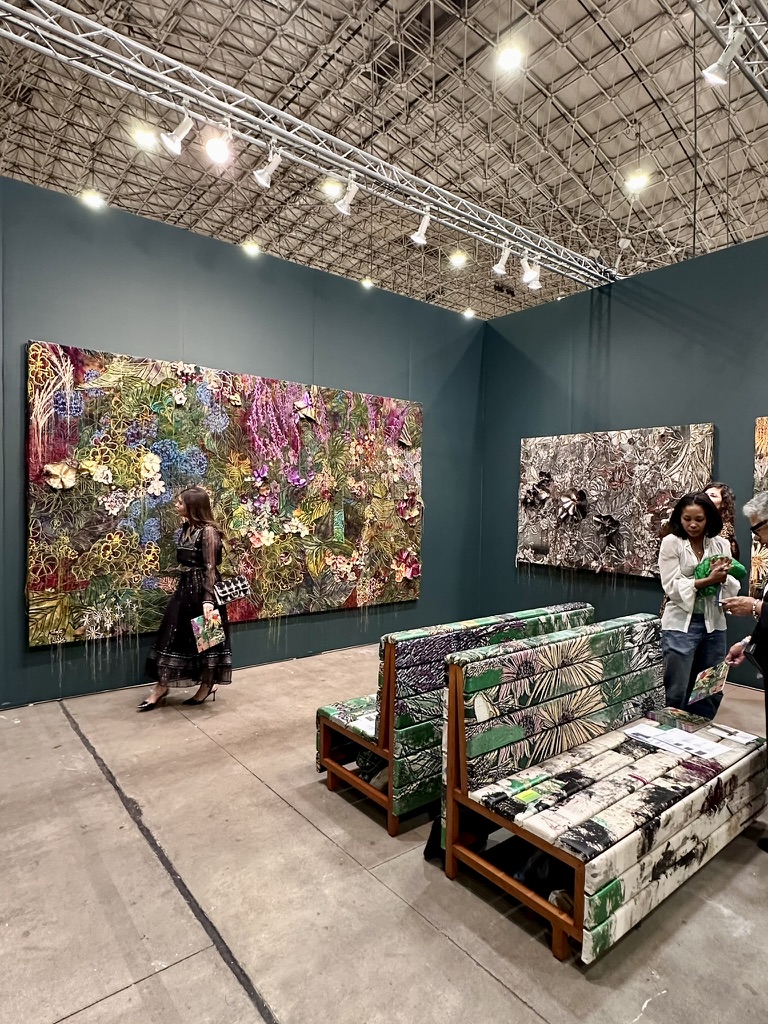
What Kind of Collector Are You? A Real-Time Walkthrough from EXPO Chicago
All Access This is a real-time walkthrough from EXPO Chicago — no script on a teleprompter, no production crew, just [...]
How To Navigate An Art Fair Without Losing Your Mind
All Access
If you are reading this, you are likely currently standing on the concrete floors of Navy Pier wondering how to navigate an art fair without losing your mind.
You need a system. (Also, godspeed to your lower back.)
The air is thick with perfume and art-speak, and there are roughly 3,000 works vying for your attention. To leave with a list of 8–12 artists you actually care about — rather than just a headache — here’s what actually works.
The beauty of this method is that it’s rinse and repeat. Whether you’re at EXPO today, hitting the Dallas Art Fair and Dallas Invitational next week (April 16–19), or prepping for the Frieze/Independent/NADA trifecta in New York this May, the rules don’t change.
- Skip the Front, Go to the Back
Skip the blue-chip behemoths at the entrance. They don’t need your love — they have private jets. Go to the back. Look for the emerging galleries. That’s where the Off-Broadway energy is — risky, raw, and actually accessible.
- The Inverse Grid Walk
Don’t follow the herd. Walk to the very back of the hall and work toward the entrance. You’ll be looking at art while you still have brain cells — before fair fatigue makes every painting look like a Rorschach test.
- The Two-Photo Rule
Don’t trust your memory. By hour three your brain is mush. Take a photo of the work and a photo of the wall card. Without the card your camera roll is just a confusing digital junk drawer of colors you no longer recognize — rather than a roll call of galleries worth remembering after the fair.
- The Coffee Audit
Every two hours, leave the floor. Sit down. Scroll through your photos and delete at least half. If it doesn’t spark genuine interest on the second look it’s not making the list. The fair will still be there when you go back in.
EXPO Chicago: A Laboratory (With Better Outfits)
All Access
Last week, we got deep into the weeds of “What is Good Art?” It was all very high-minded and philosophical—the kind of theory that feels important until you’re actually standing in a room with 3,000 paintings.
But this week, it’s time for the technical rehearsal. EXPO Chicago opens at Navy Pier in a few days. For the uninitiated, an art fair is a strange ecosystem. It’s 170,000 square feet of visual noise, overpriced espresso, and a lot of Americans trying on the European “air kiss” thing for size.
Before you step onto the Pier, you need a mental pre-game. If you walk in without a “Why,” the fair will decide your “Why” for you (and it will usually be “Buy this shiny thing because the gallerist was nice”).
- Define Your “Why”: I don’t mean pick a wall and shop for it. I mean establish a question or two you want to answer, like “Do I love contemporary Korean art as much as the hype suggests?” or “I’ve never been an abstract art person; I wonder if spending time with it in person will change my mind.” Maybe you are scouting for a five-year collection plan. If you’re looking for everything, you’ll see nothing. Pick a lens—be it emerging photography or textiles from the Midwest—and let that be your North Star.
- The “Non-Buyer” Immunity: Decide now that you aren’t under pressure to buy a single thing, but give yourself space to do so if you are so led. I use a weird reverse psychology trick on myself that removes the dopamine hit of buying by removing the anticipation. I grant myself permission to buy whatever I want. I tell myself that if I see it and love it, I can have it. Ironically, this flips the narrative from “wanting and not being able to have” to “the fair is my bed of oysters and I want to choose the one with the biggest pearl.” Try it next time you’re out shopping. I bet you leave with less than you would otherwise.
- The Comparison Engine: In a gallery, an artist’s work is in a vacuum. At a fair, it’s a chorus line. You can see twenty artists all trying to “reinvent the portrait” within a three-aisle radius. Ask yourself: Which one feels like a discovery, and which one is just a revival of someone else’s ideas?
- Beware the “Visual Sugar”: Fairs love a “Glitzy 11 o’clock Number.” Big scales, neon lights—things that look great on Instagram but feel “thin” after three minutes of actual looking. Notice what stops you because it’s loud, and what stops you because it’s dense.
P.S. I’ll be filming a “How to Walk a Fair” Masterclass for my paid subscribers this week at EXPO. It’s a 10-minute deep dive of me actually navigating the floor in real-time. No “best of” fluff—just my actual method with IRL examples of me working through the filter. It’ll drop next Sunday.
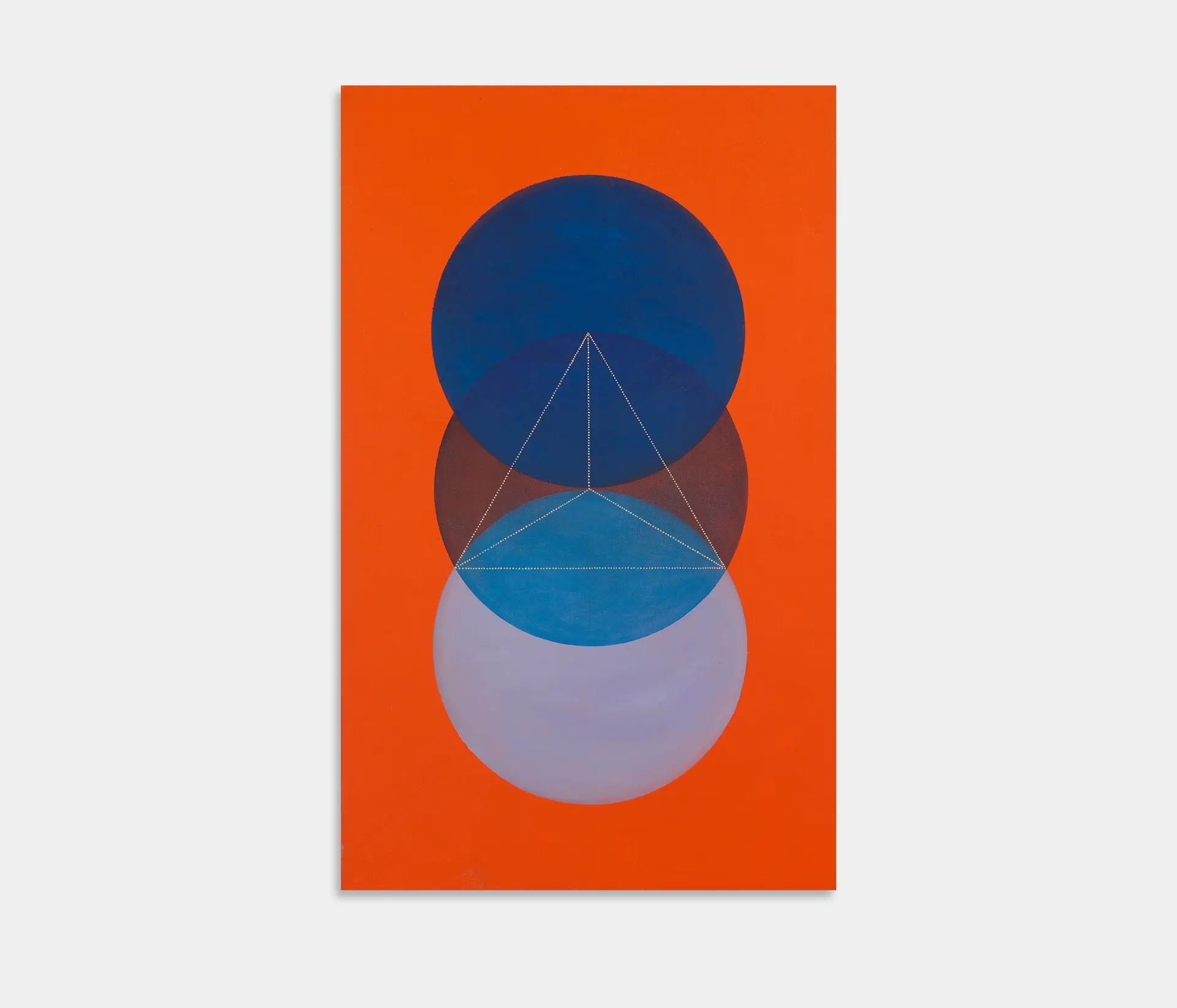
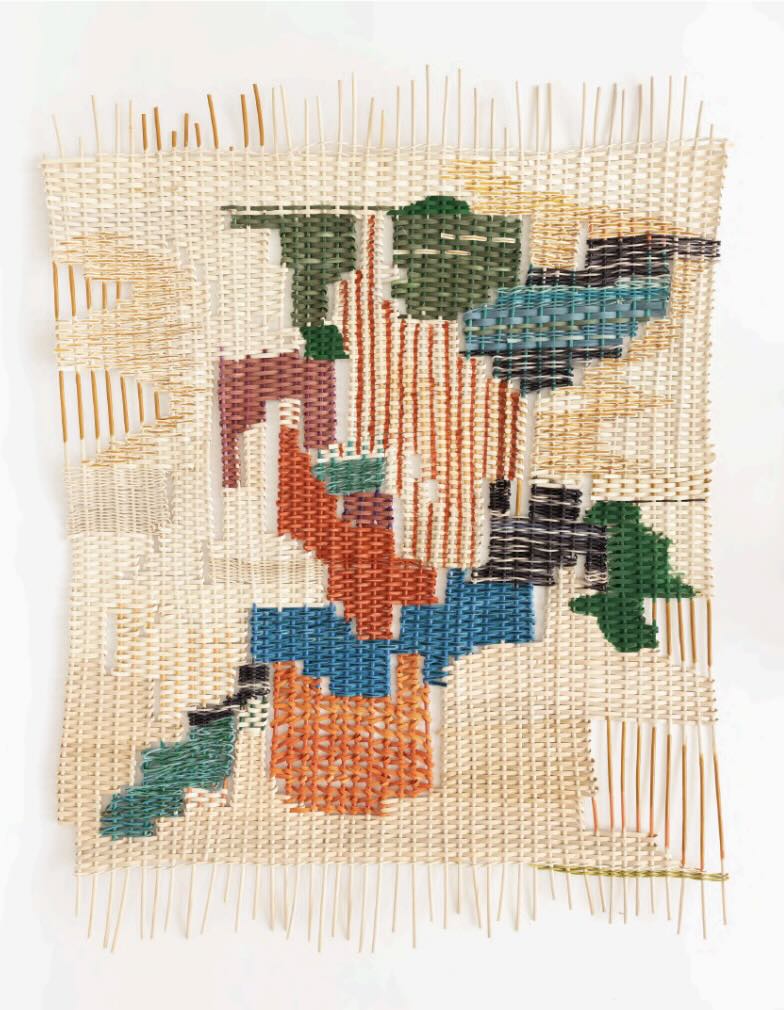
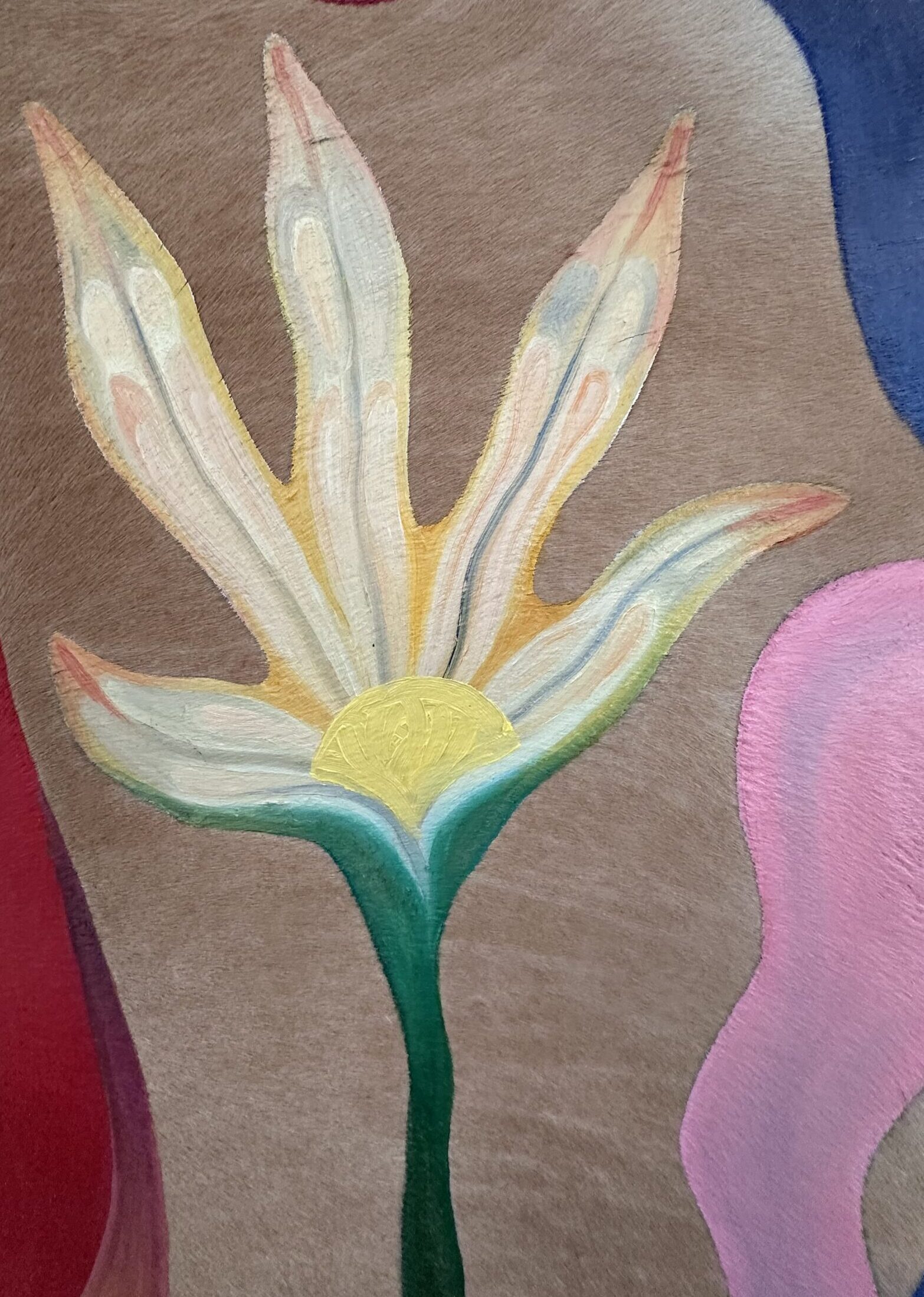
This week’s additions to The Collection come from my recent visit to New York. Geometric abstraction, a fresh approach to the garden, and some unique materials are all on view in The Collection now. All three artists are new to me and should be on your radar too!
What is Good Art?
All Access
Most new collectors start with the same question: what is good art? It feels like the right question, and more importantly, it feels like one you should be able to answer before you spend any money. If you could just figure that out first, everything else would fall into place. Right?
Wrong.
It doesn’t usually work that way.
The question itself is part of the problem. Asking whether something is “good” is vague at best and premature at worst—especially at a moment when you have not yet developed the eye required to make that kind of judgment. More often than not, what you are really asking is whether something is worth buying. That is a different question, and not one you can answer cleanly in advance. What is “good” will vary from collector to collector, and it tends to reveal itself over time rather than in a single moment of clarity.
Most people begin by looking for visible signals. How skilled is the painting? How complex is the process? How long must this have taken to make? Is it expensive? These are understandable instincts. They offer something concrete to hold onto when everything else feels uncertain.
They are a starting point, but they are not reliable as complete dataset. There is a great deal of expensive, market-driven work that does not hold up, just as there is extraordinary work that goes unnoticed and undervalued for years. Skill is easy to recognize, but it does not guarantee that a work will hold your attention over time. Complexity can feel impressive without actually being meaningful. Labor is often mistaken for depth. Price reflects a market, not necessarily an experience. None of these are useless, but none of them, on their own, are indicators of quality.
(I should also acknowledge that there are larger forces at play here—institutions, markets, and the slow formation of the canon. We’ll come back to those. For now, the more useful question is how you begin to recognize quality for yourself.)
To get at the heat of the quality question, a more productive approach is to shift the questions you are asking. Not “is this good,” but: have I seen this before? Is this a familiar solution, or does it take a different position? What are other artists doing with this same set of ideas? What is this artist attempting that feels distinct? And, over time, does this feel like it contributes something to a broader conversation, or does it simply echo what is already there?
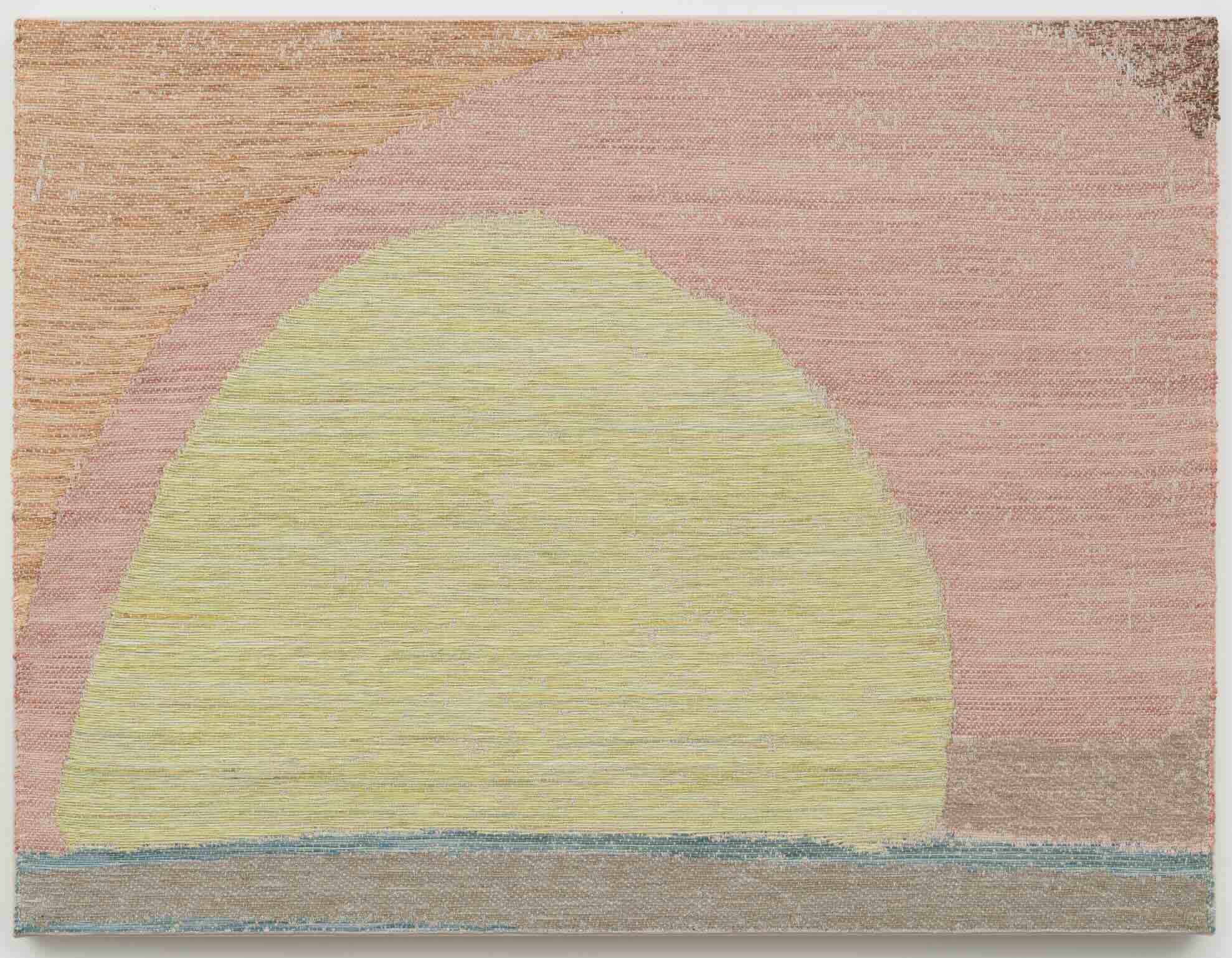
The following works were added to The Collection this week—artists whose work I would recommend spending time with right now because they are doing one of the above well.
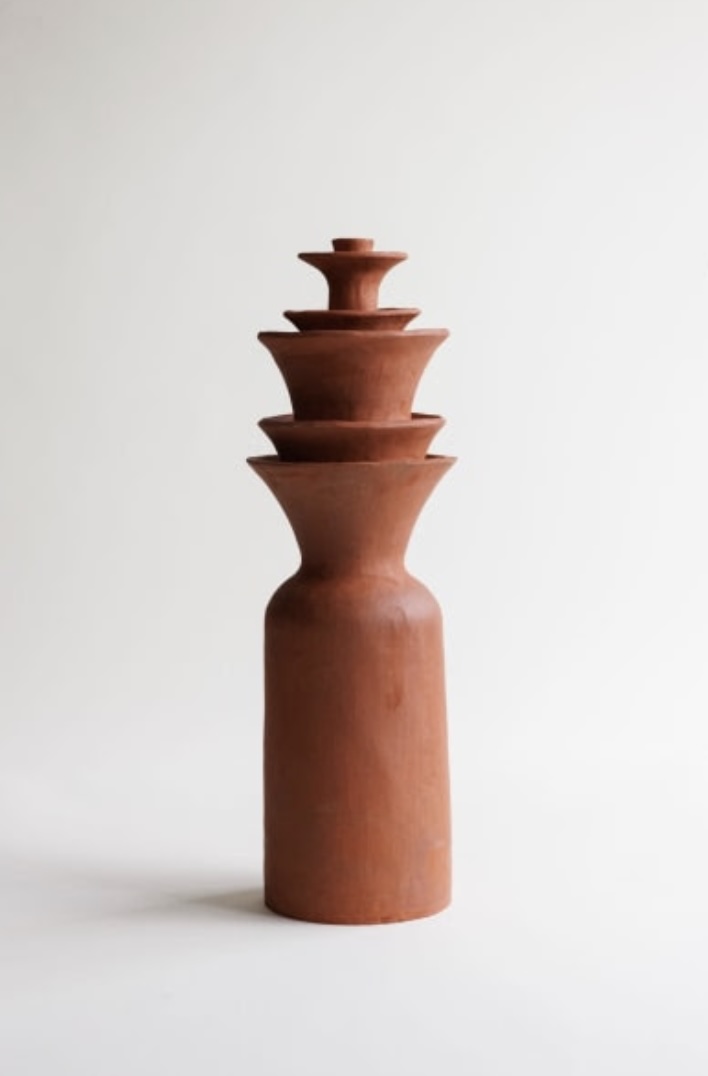
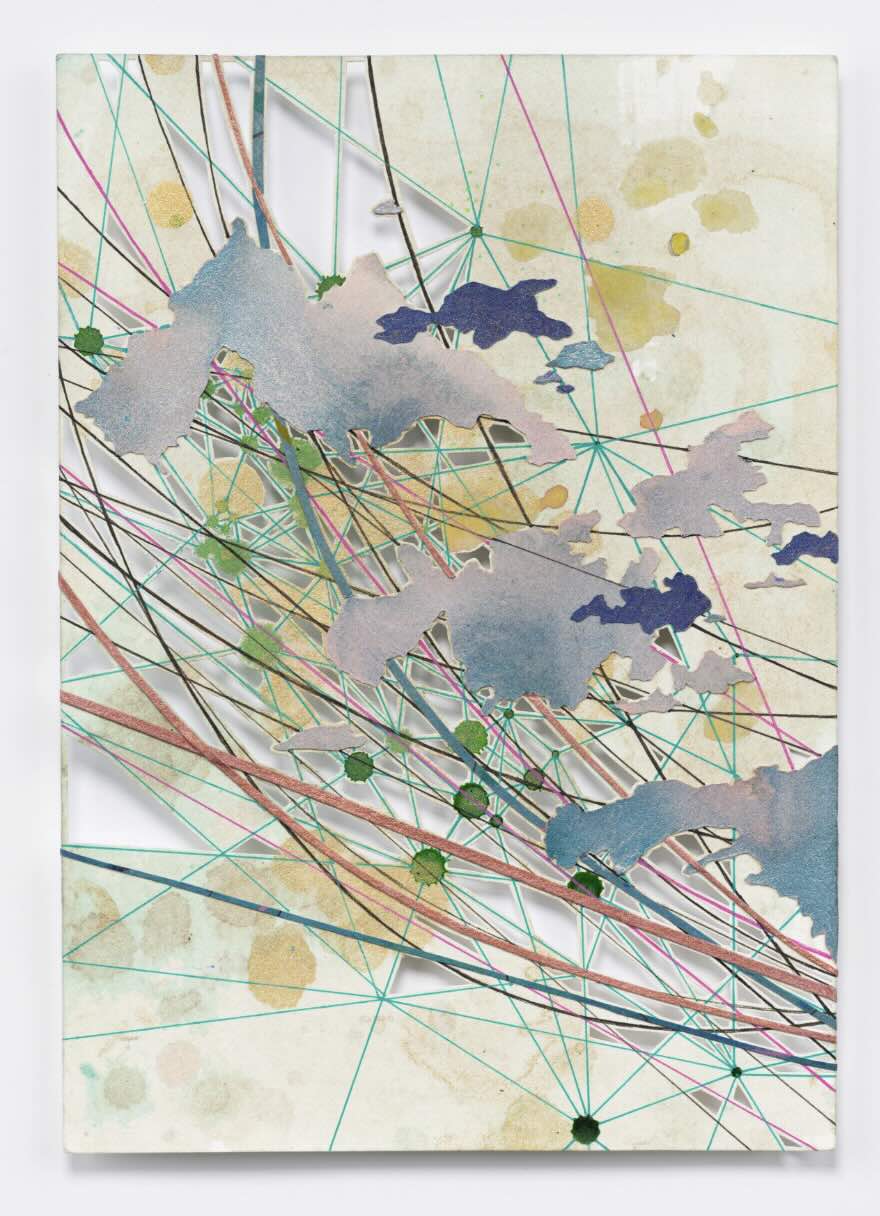
The artists who endure—whether over decades or centuries—are the ones who give future viewers a clear sense of how people of their time thought, felt, and understood the world. As an art historian, I often find myself projecting forward. How do I evaluate work from the past, and how might that same rigor apply to what is being made now? It is easier to identify importance in hindsight. The challenge is learning to recognize the conditions that tend to produce it in the present.
There is another layer to this, which is less often acknowledged, and we discussed a few weeks ago. Many people hesitate to even admit what they like, not because they don’t feel anything, but because they are unsure whether their reaction is “correct.” It feels safer to wait until you know whether something is good before allowing yourself to respond to it. That instinct is understandable. It is also what leads to missed opportunities.
Once everyone agrees that something is good, you have usually lost the window to access it meaningfully. Collecting emerging art is closer to a venture capital mindset than a private equity one.
The reality of identifying quality and collecting is not tidy. You can like something that isn’t strong. You can also overlook something that is. Sometimes a work will strike you immediately and then lose its hold on you. Other times a work that felt quiet at first will deepen the longer you spend with it. And sometimes your first instinct will be exactly right. There is no single moment when quality reveals itself, and no consistent sequence you can follow to arrive at it.
What changes over time is not your ability to make perfect judgments. It is your sensitivity to difference. You begin to notice which works are likely to continue to hold your attention and which ones will fade more quickly. You start to feel when something has depth, even if you cannot immediately explain why. The obvious signals—skill, effort, price—begin to matter less, and your own sustained response begins to matter more.
This is where taste sharpens. Not through certainty, but through exposure. Not by deciding what is good in the abstract, but by learning to recognize what is going to hold up when you return to it. Over time, that distinction becomes clearer, and once it does, the question of what is “good” starts to matter a little less.
Because you have learned how to see for yourself.
If you want to see how this plays out in real time, you need to look at a lot of work—and not all of it is worth your time.
The Collection is where I share the artists and works that are actually catching my attention, and that I would feel confident recommending to a client.
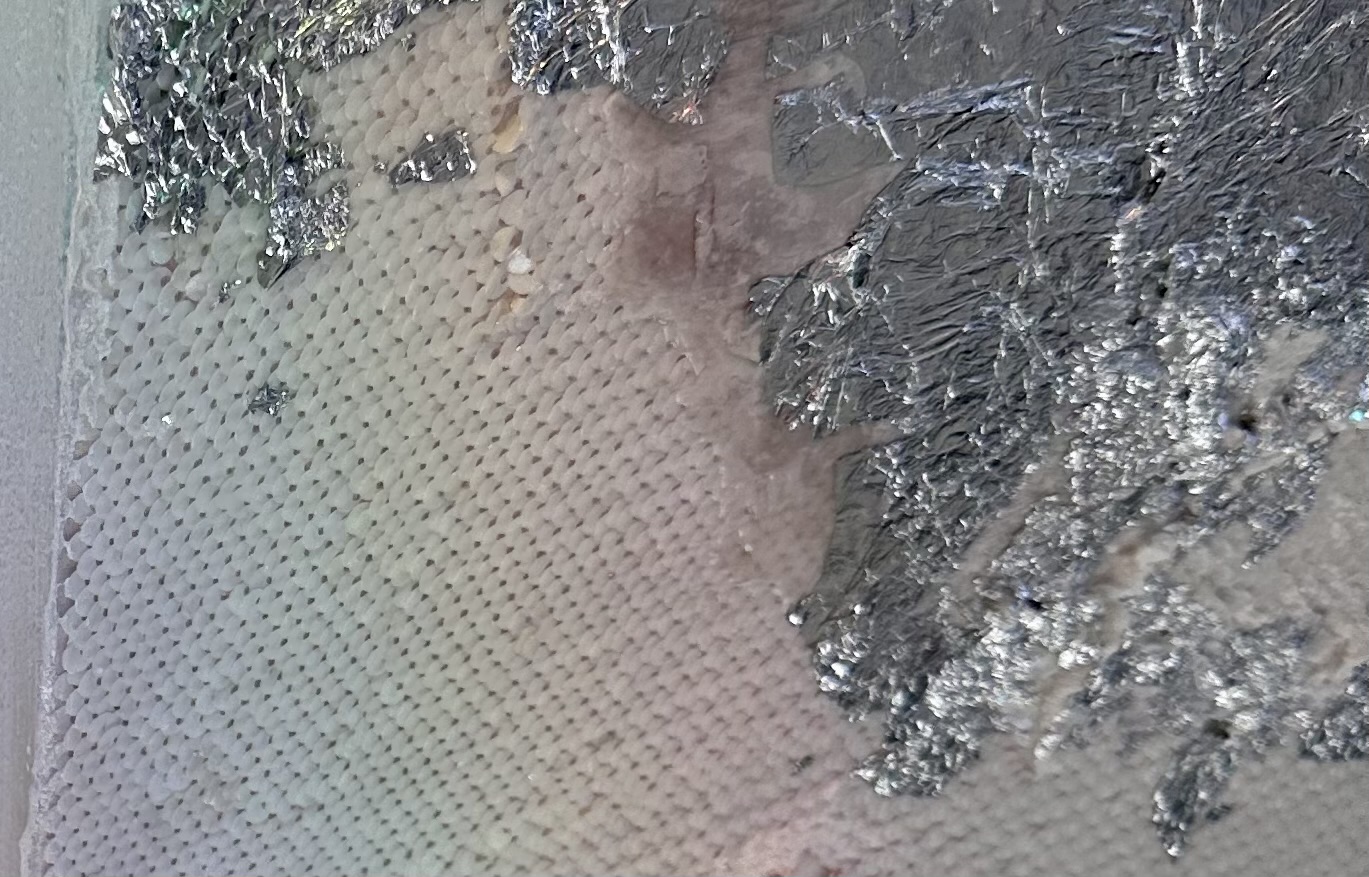
The works included above are part of this week’s update.
Many are available directly through the gallery. If not, the gallery can help source related work.
The Purchase Is the Least Interesting Part
All Access
Last week we talked about fear.
Most people assume the most significant moment in the acquisition process is the purchase. They imagine the decision as a kind of test: Did I choose correctly? Will I regret it? What if someone more knowledgeable thinks I misunderstood the work?
Before a piece enters your home, those questions can feel enormous. You picture yourself living with the consequences of a decision that suddenly feels very public. Collectors sometimes behave as though they are about to sign a treaty rather than hang a painting.
But something interesting happens once the work actually becomes part of your environment.
The piece stops being a decision and starts taking on a presence of its own.
At first you notice it constantly. You walk past it and glance toward it the way you might check a new haircut in every reflective surface. Your brain registers that something has changed.
Then a subtle shift begins to take shape. Good art actually changes how the room is used.
People sit in a different chair than they used to. They linger a little longer before leaving. A time of day that used to pass unnoticed suddenly becomes interesting because the light hits the surface in a way that reveals something new. What was once a pass-through space becomes a place to pause.
I have seen this happen many times in client homes. One couple installed a painting in a room they previously walked through without much thought. A few weeks later they told me they had started drinking their morning coffee there. For about twenty minutes each day the early light hits the surface of the painting in a way that makes the entire room glow. It became a small ritual they began to look forward to.
The painting did not just decorate the room. It reorganized how they lived in it.
This is one of the reasons experienced collectors worry less about whether they made the “right” decision. They understand that the real relationship with a work begins after it enters the home. Galleries are where you encounter the work. Living with it is where you actually understand it.
Scale feels different at home. Time interacts with the work differently. The emotional tone of a piece begins to shape the atmosphere of the space around it. A bold painting can anchor a room. A charged work can add energy. A contemplative piece can slow everything down.
When a work truly belongs in a home, it does something subtle but powerful: it changes how you inhabit the space.
This is why developing taste matters so much. For anyone trying to understand how to develop taste in art, the works you choose to live with will influence your daily environment more than almost anything else you place in a room.
Furniture supports life. Art reflects it.
Over time the question stops being whether you chose correctly. The work becomes part of the background of your life, shaping the mood of the room and the rhythm of your day.
That is when you realize collecting art is not really about ownership.
It is about living with ideas.
You’re Not Afraid of the Price. You’re Afraid of Being Wrong.
All Access
Most people assume the biggest barrier to art collecting is the price.
Most people are wrong.
Price is rarely the problem.
The hesitation usually sounds more like this: What if I get it wrong? What if I buy something and stop liking it? What if someone more knowledgeable sees it and thinks I made a bad decision? What if I misunderstood the work entirely?
Price becomes the convenient explanation, but the underlying anxiety is rarely financial. It’s ego. Reputation. Psychology. Collecting forces you to plant your flag and declare a point of view. That can feel risky.
As we have discussed before, the art world does not do much to soften that feeling. Galleries are careful about placement. Artists care deeply about where their work ends up. Museums reinforce hierarchies of taste. Spend enough time around it and you begin to suspect there must be a correct answer somewhere, a group of people who simply know what is good.
But collecting does not actually work that way.
Taste is not a test you pass once and then move on from. It develops the same way instinct does: slowly, and usually through a mixture of partial understanding, repeated exposure, and the occasional misjudgment.
In other words, mistakes, depending on how you define the term.
Is it a mistake if you decide in five years you don’t love a piece as much as you thought you would? Maybe. It could also mean you went through a major life change and your perspective shifted. Is it a mistake if an artist’s career does not take off the way you anticipated and you cannot recoup your investment? Maybe, if investment was your collecting thesis. But if you still enjoy having your morning coffee with the work every day, then I would argue you got it exactly right.
The collectors who develop the most interesting collections are the ones who take risks and occasionally make mistakes. They keep looking, keep refining, and keep adjusting their point of view as they learn more.
Fear, as it does with so many things, interrupts that process.
Instead of buying thoughtfully, people wait until something feels perfectly safe. Until the artist is widely validated. Until the decision feels guaranteed. By that point the moment of discovery, the part that makes collecting interesting in the first place, has usually passed. And to be honest, that is when price suddenly becomes the issue.
This does not mean collecting should be impulsive. The goal is not to eliminate mistakes entirely. The goal is to build enough clarity about your own taste that your decisions are born from confidence rather than vulnerable risk-taking.
That clarity develops through repetition.
Looking at a lot of work. Returning to artists more than once. Noticing what continues to hold your attention and what quietly fades.
Eventually those patterns become visible. You start to recognize the emotional temperature you gravitate toward, the kinds of ideas that stay with you, and the artists who feel aligned with the way you see the world. When that recognition begins to form, decisions start to feel less like guesses and more like extensions of a developing point of view.
You are not eliminating risk when this happens. Collecting will always involve uncertainty. What you are doing instead is reducing noise. The work that truly holds your attention begins to separate itself from the work that merely impressed you in the moment.
For anyone learning how to develop taste in art, that shift is crucial. Collectors who trust their decisions are not the ones with perfect information. They are the ones who have spent enough time looking to understand the logic behind their own responses.
Mistakes still happen. Preferences evolve. Collections change direction. That is not a failure of the process. It is the process.
Fear begins to lose its power once you understand that collecting is not about proving you were right the first time. It is about building a point of view that becomes clearer over time.